


Synthesis of magnetite/silica nanocomposites from natural sand to create a drug delivery vehicle
- PMID: 32322741
- PMCID: PMC7163320
- DOI: 10.1016/j.heliyon.2020.e03784
Synthesis of magnetite/silica nanocomposites from natural sand to create a drug delivery vehicle
Abstract
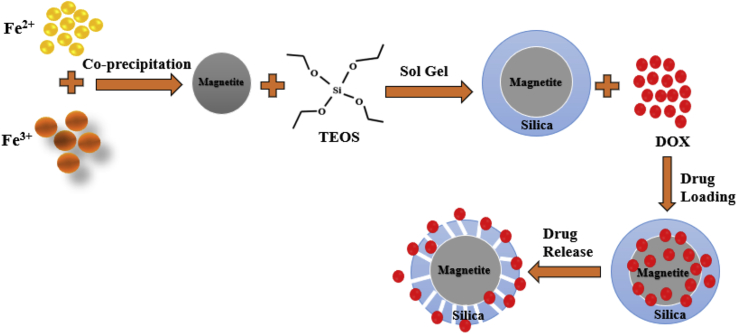
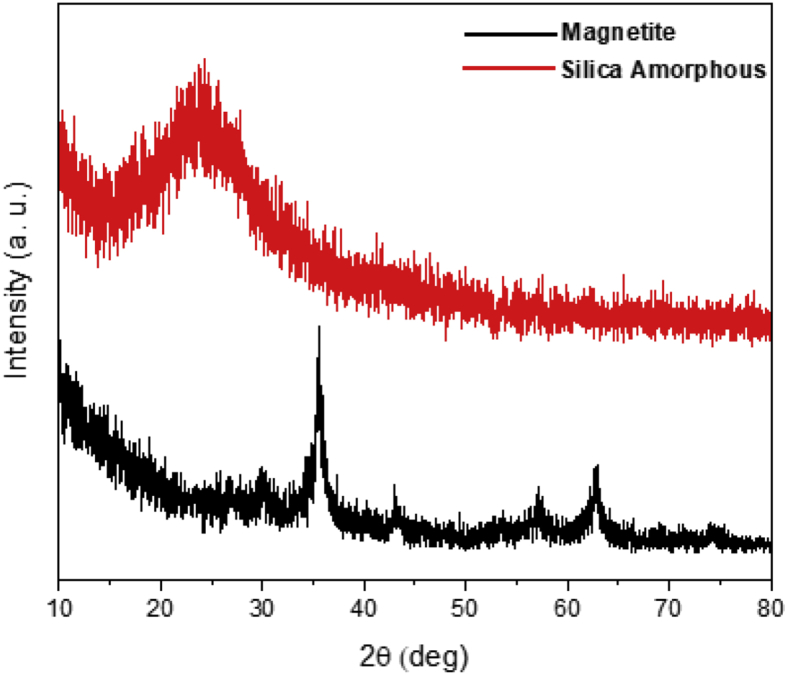
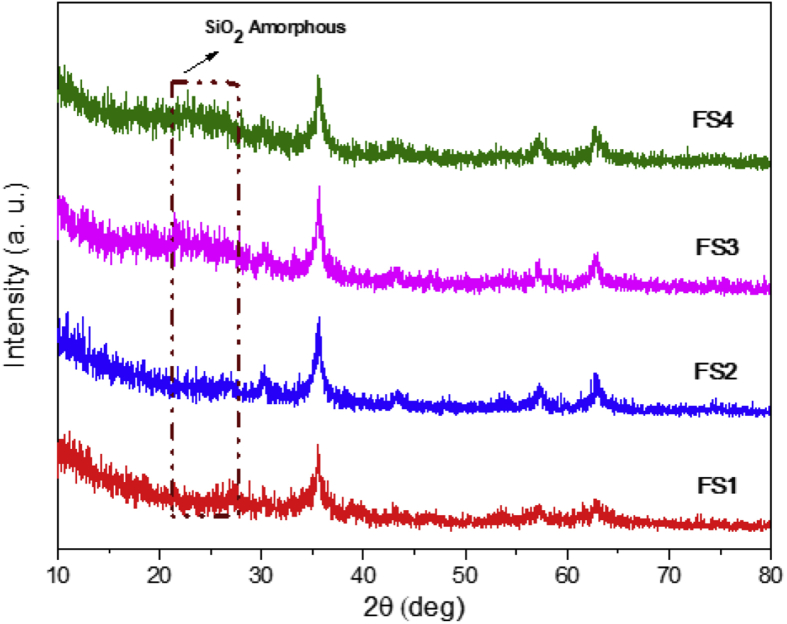
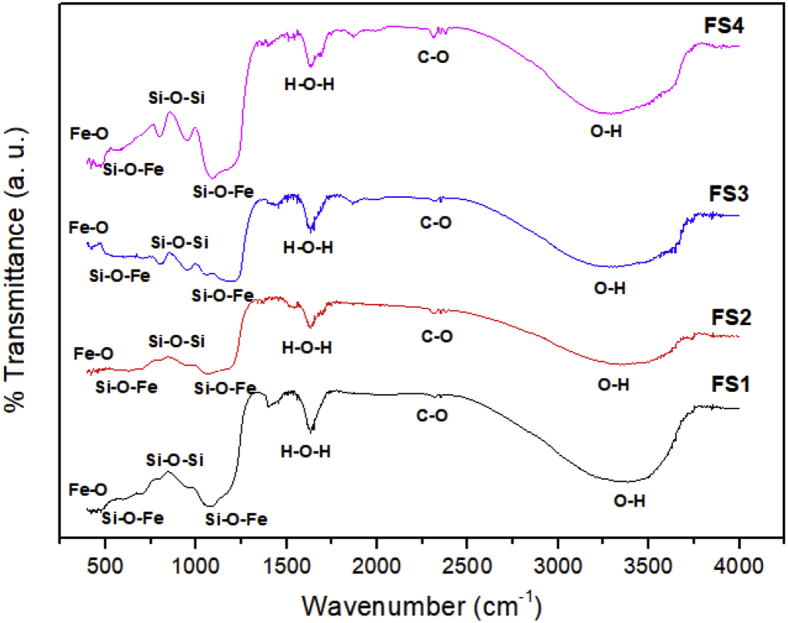
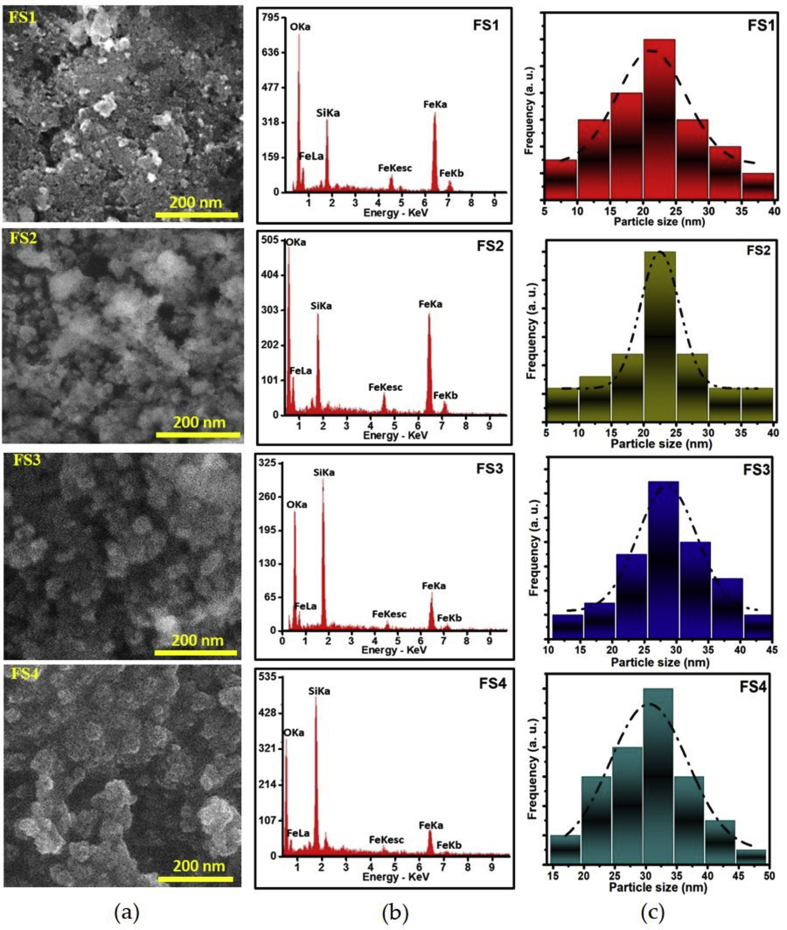
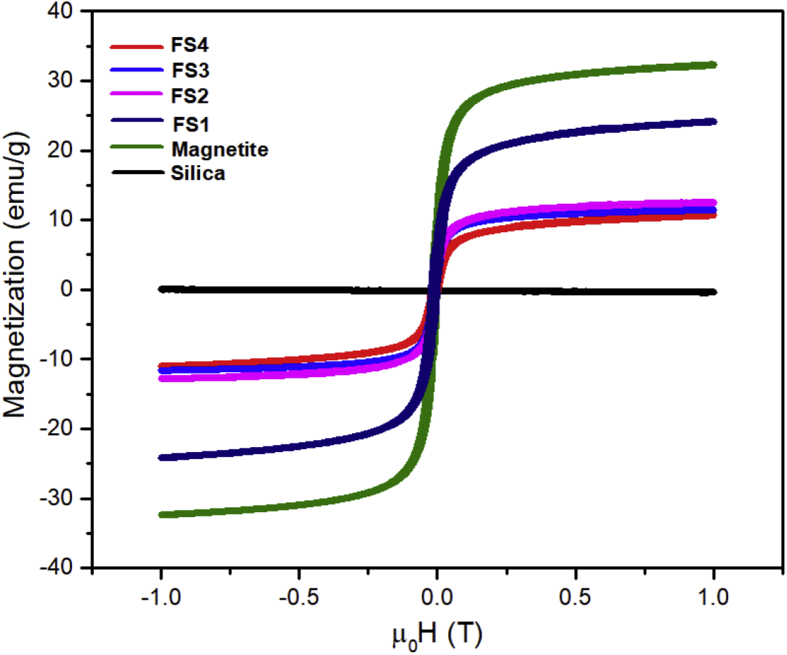
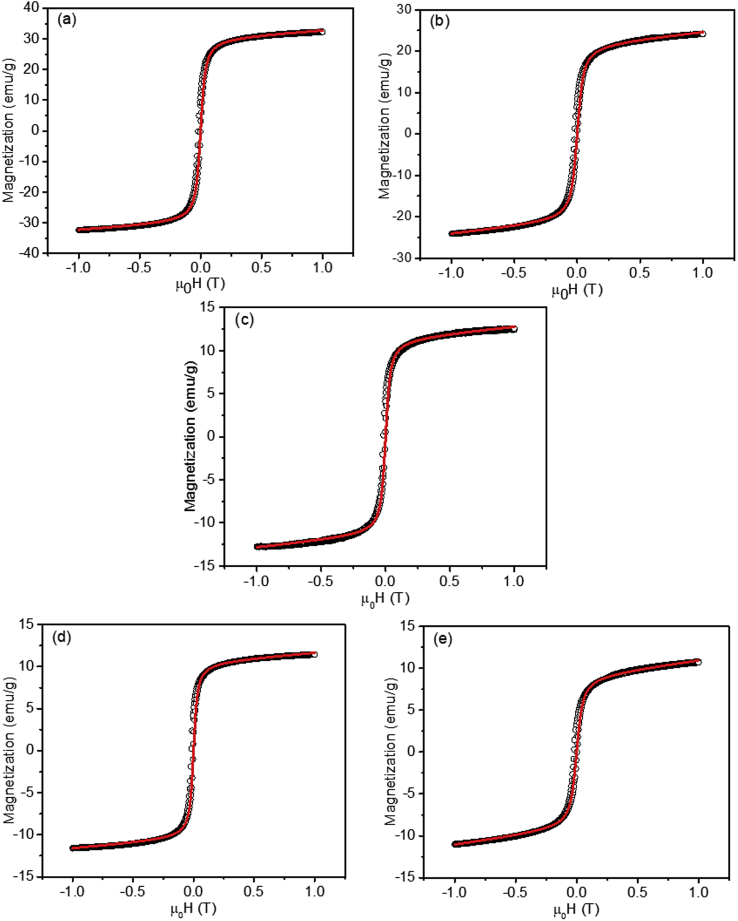
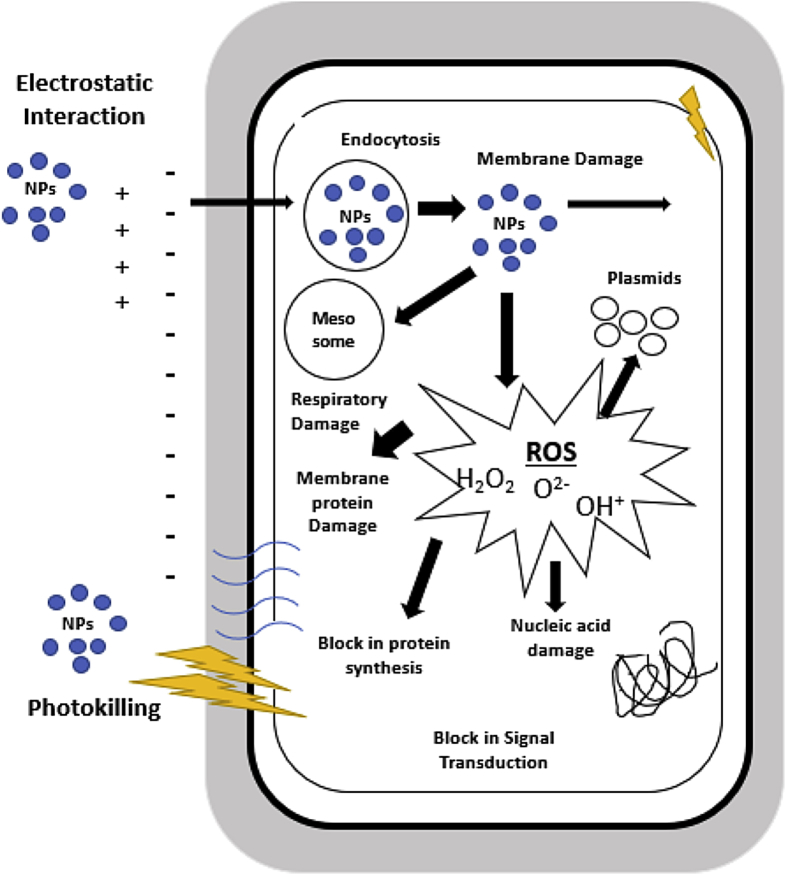
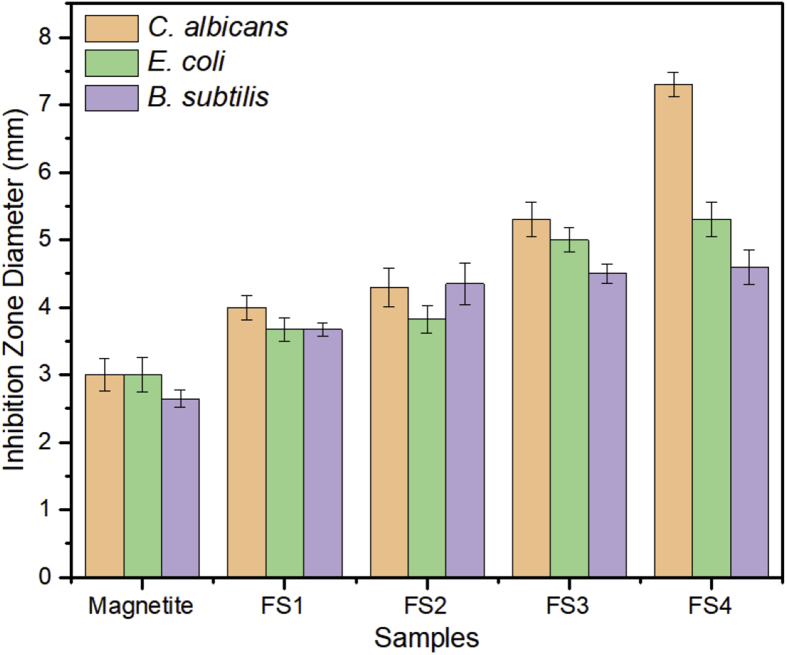
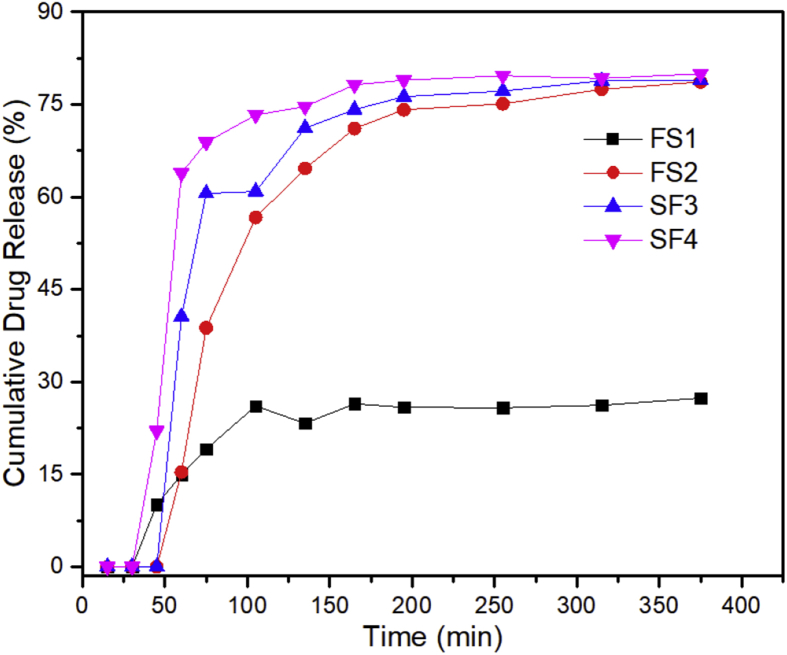
In this study, we report the synthesis of the magnetite/silica nanocomposites and their structural and functional groups, magnetic properties, morphology, antimicrobial activity, and drug delivery performance. The X-ray diffraction characterization showed that magnetite formed a spinel phase and that silica formed an amorphous phase. The particle sizes of magnetite increased from 8.2 to 13.2 nm with increasing silica content, and the particles were observed to be superparamagnetic. The nanocomposites tended to agglomerate based on the scanning electron microscopy images. The antimicrobial activity of the magnetite/silica nanocomposites revealed that the increasing silica content increased the inhibition zones by 74%, 77%, and 143% in case of Gram-positive bacteria (B. subtilis), Gram-negative bacteria (E. coli), and fungus (C. albicans), respectively. Furthermore, doxorubicin was used as the model compound in the drug loading and release study, and drug loading was directly proportional to the silica content. Thus, the increasing silica content increased the drug loading owing to the increasing number of OH- bonds in silica, resulting in strong bonds with doxorubicin. Based on this study, the magnetite/silica nanocomposites could be applied as drug delivery vehicles.
Keywords: Biomedical engineering; Doxorubicin; Drug delivery vehicle; Magnetite/silica; Materials science; Nanocomposite; Nanotechnology; Natural sand.
© 2020 The Author(s).
Figures
References
-
- Pon-On W., Tithito T., Maneeprakorn W., Phenrat T., Tang I.-M. Investigation of magnetic silica with thermoresponsive chitosan coating for drug controlled release and magnetic hyperthermia application. Mater. Sci. Eng. C. 2019;97:23–30. - PubMed
-
- Adair J.H., Parette M.P., Altınoğlu E.İ., Kester M. Nanoparticulate alternatives for drug delivery. ACS Nano. 2010;4:4967–4970. - PubMed
LinkOut - more resources
Full Text Sources
