


Moderate exercise has beneficial effects on mouse ischemic stroke by enhancing the functions of circulating endothelial progenitor cell-derived exosomes
- PMID: 32325158
- PMCID: PMC11055452
- DOI: 10.1016/j.expneurol.2020.113325
Moderate exercise has beneficial effects on mouse ischemic stroke by enhancing the functions of circulating endothelial progenitor cell-derived exosomes
Abstract
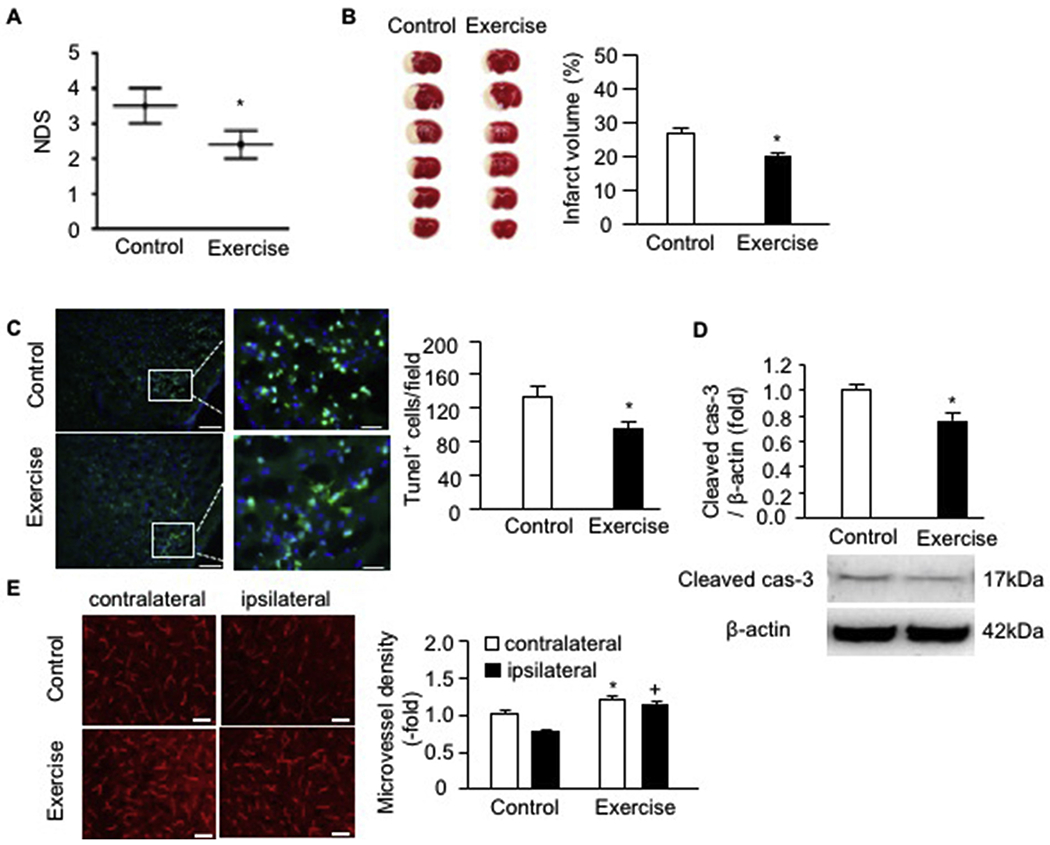
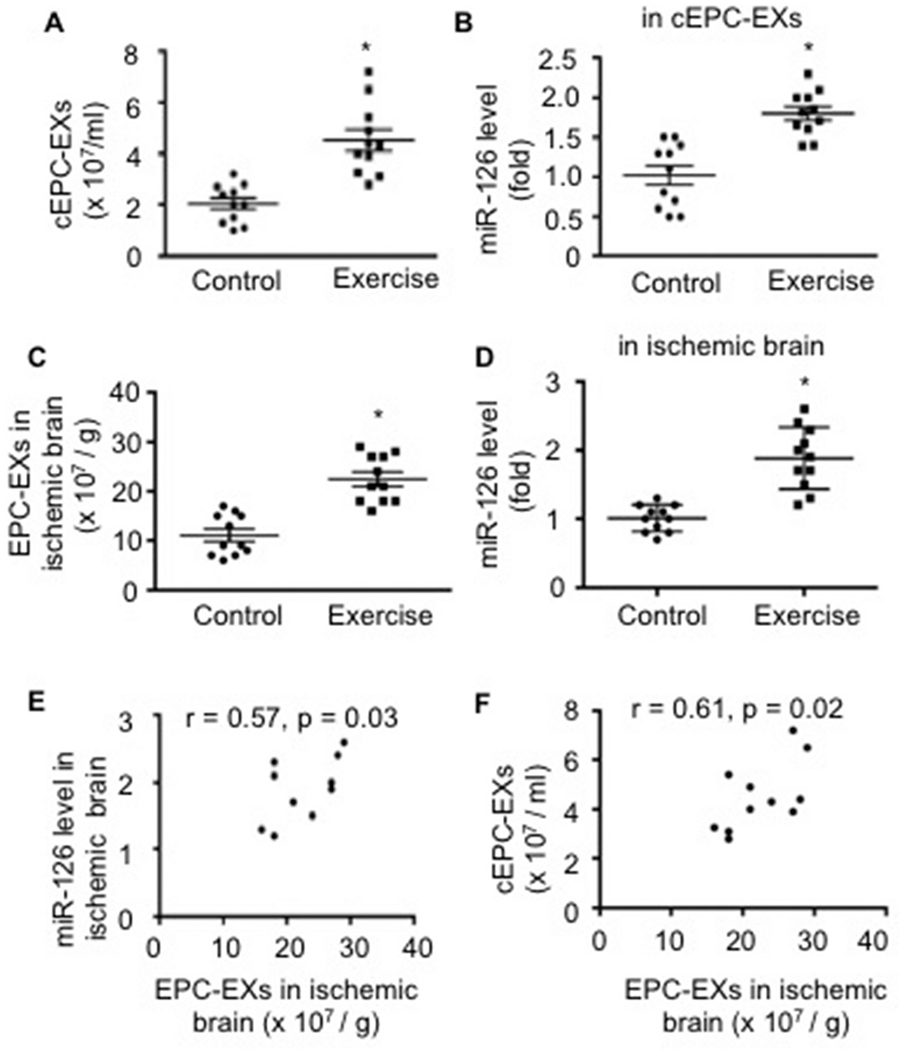
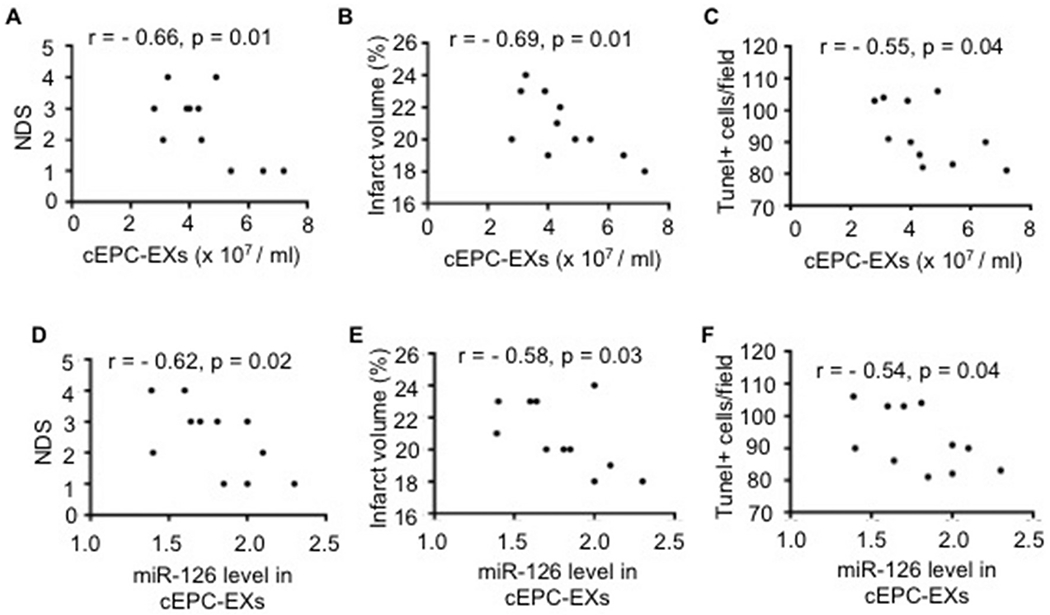
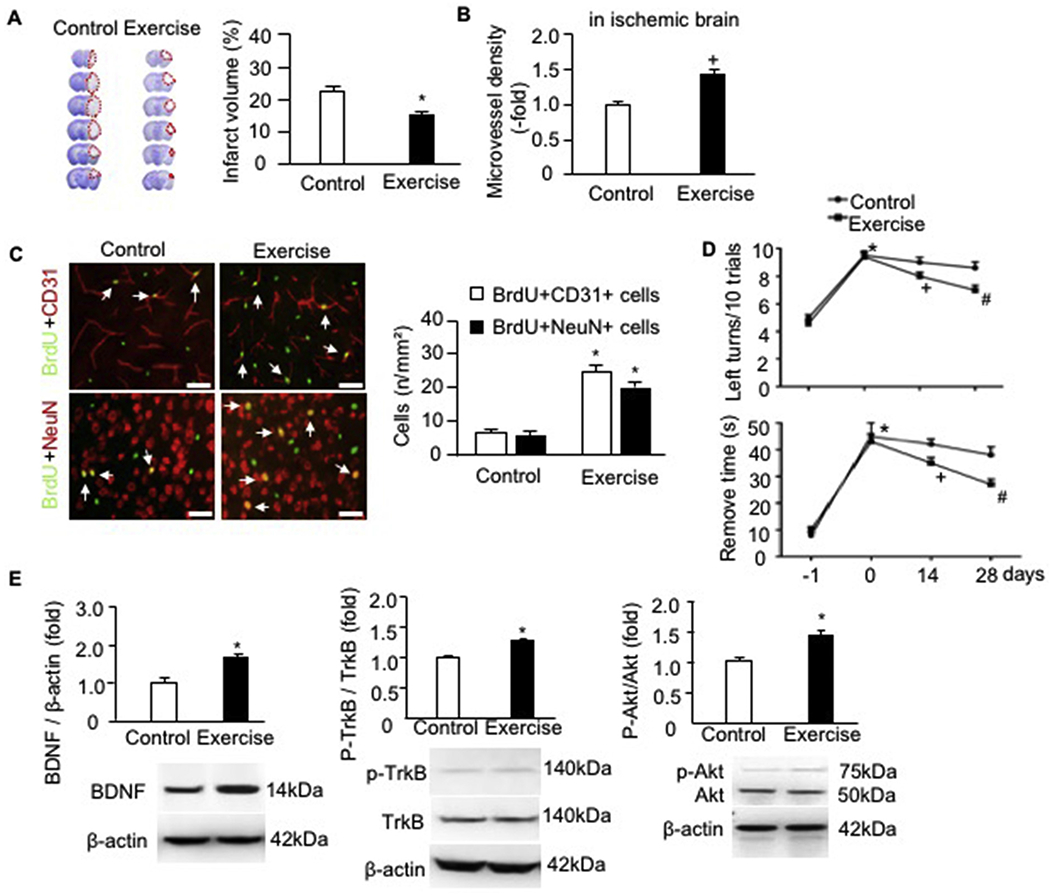
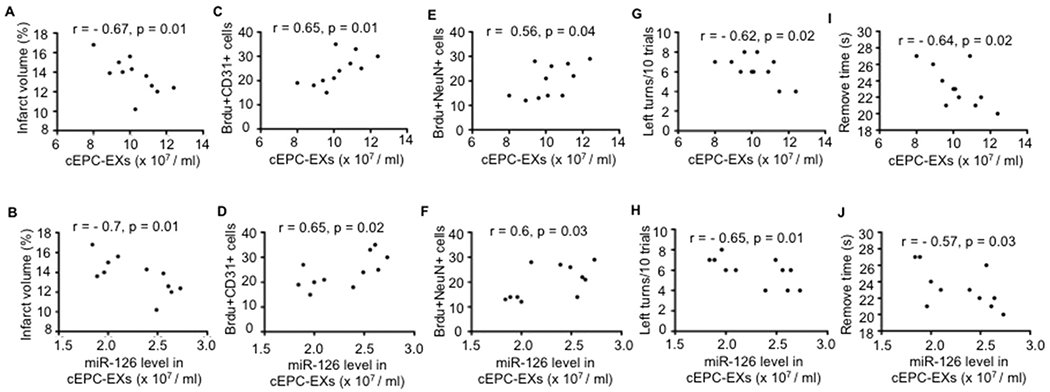
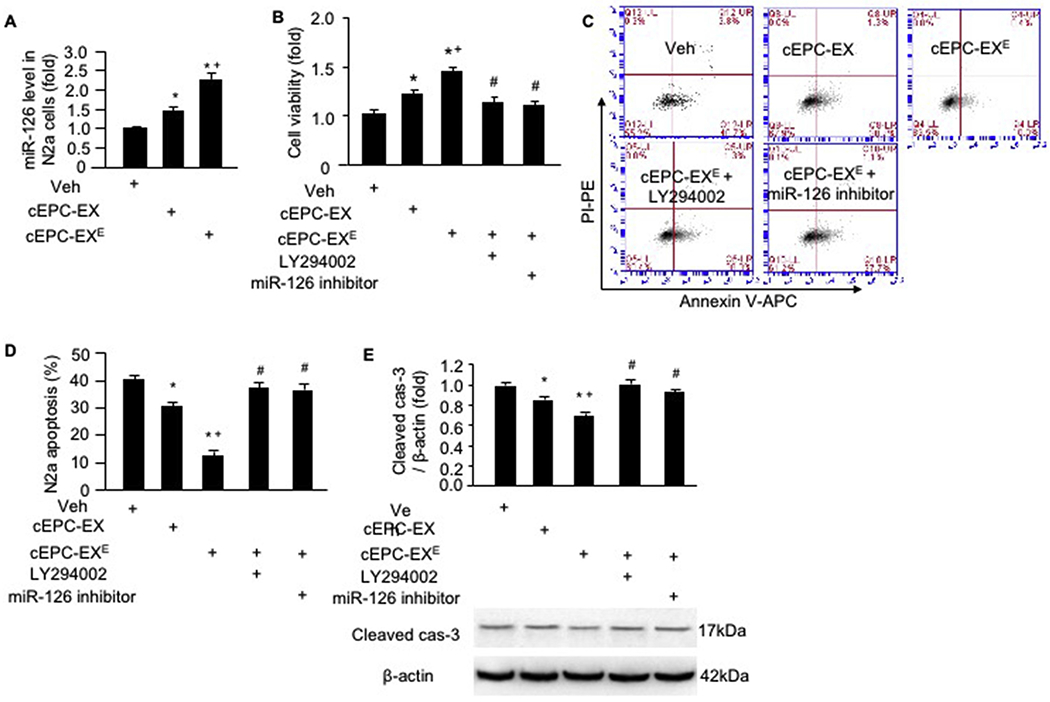
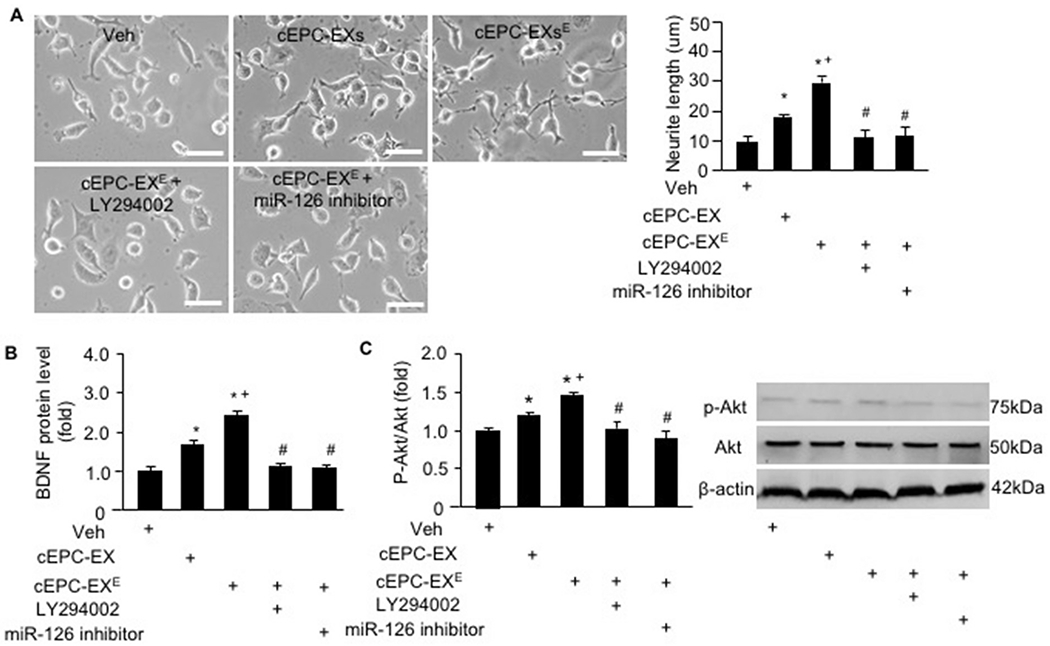
Exosomes (EXs) are emerging as novel players in the beneficial effects induced by exercise on vascular diseases. We have recently revealed that moderate exercise enhances the function of circulating endothelial progenitor cell-derived EXs (cEPC-EXs) on protecting endothelial cells against hypoxia injury. However, the relationship between the changes of cEPC-EXs and the effects of exercise on ischemic stroke (IS) is unknown. Here, we investigated whether exercise-regulated EPC-EXs contribute to the beneficial effects of exercise on IS. C57BL/6 mice received moderate treadmill exercise (10 m/min) for 4-wks and then were subjected to middle cerebral artery occlusion (MCAO) stroke. The neurologic deficit score (NDS), infarct volume, microvessel density, cell apoptosis, angiogenesis/neurogenesis, sensorimotor functions were determined on day 2 (acute stage) and/or day 28 (chronic stage) post-stroke. The miR-126 and EPC-EX levels were analyzed by RT-PCR or nanoparticle tracking analysis combined with microbeads and used for correlation analyses. The function of EPC-EXs from exercised mice was detected in a hypoxia neuron model. Cell apoptosis, axon growth ability and gene expressions (cas-3 and Akt) were measured. Our data showed that: i) On day 2, exercised mice had decreased NDS and infarct volume, reduced cell apoptosis rate and cleaved cas-3 level, and a higher microvessel density than those in control (no-exercise) mice. The levels of EPC-EXs in plasma and brain tissue were raised and positively correlated in exercised mice. Meanwhile, the miR-126 level in cEPC-EXs and in ischemic tissue were upregulated in exercised mice. The EPC-EXs and their carried miR-126 levels negatively correlated with the infarct volume and cell apoptosis, whereas positively correlated with microvessel density. In addition, cEPC-EXs from exercised mice elicited protective effects on neurons against hypoxia-induced apoptosis and compromised axon growth ability which were blocked by miR-126 and PI3k inhibitors in vitro. ii) On day 28, exercised mice had less infarct volume, higher microvessel density, angiogenesis/neurogenesis and better sensorimotor functions. The levels of BDNF, p-TrkB/TrkB and p-Akt/Akt were upregulated in the brain of exercised mice. These recovery indexes correlated with the levels of cEPC-EXs and their miR-126. In conclusion, our data suggest that moderate exercise intervention has protective effects on the brain against MCAO-induced ischemic injury in both acute and chronic stages which might via the release of miR-126 enriched EPC-EXs.
Keywords: EPC-EXs; Exercise; Ischemic stroke; miR-126.
Copyright © 2020 The Authors. Published by Elsevier Inc. All rights reserved.
Conflict of interest statement
Declaration of Competing Interest None.
Figures
References
-
- Arrick DM, Yang S, Li C, Cananzi S, Mayhan WG, 2014. Vigorous exercise training improves reactivity of cerebral arterioles and reduces brain injury following transient focal ischemia. Microcirculation. 21 (6), 516–523. - PubMed
Publication types
MeSH terms
Substances
Grants and funding
LinkOut - more resources
Full Text Sources
Medical
