Review
. 2020 Aug;61(7):716-729.
doi: 10.1002/em.22381. Epub 2020 Jul 9.

DNA-protein crosslinks from environmental exposure: Mechanisms of formation and repair

Affiliations
Review

DNA-protein crosslinks from environmental exposure: Mechanisms of formation and repair

Yusuke Kojima et al. Environ Mol Mutagen. 2020 Aug.

Abstract

Many environmental carcinogens cause DNA damage, which can result in mutations and other alterations in genomic DNA if not repaired promptly. Because of the bulkiness of the lesions, DNA-protein crosslinks (DPCs) are one of the types of toxic DNA damage with potentially deleterious consequences. Despite the importance of DPCs, how cells remove these complex DNA adducts has been incompletely understood. However, major progress in the DPC repair field over the past 5 years now supports the view that cells are equipped with multiple mechanisms to cope with DPCs. Here, we first provide an overview of environmental substances that induce DPCs, describing the sources of exposure and mechanisms of DPC formation. We then review current models of DPC repair and discuss their significance for environmental carcinogens.

Keywords: DNA damage; DNA repair; DPC; cancer; carcinogen.


Conflict of interest statement

Conflicts of interest

The authors declare that there are no conflicts of interest.

Figures
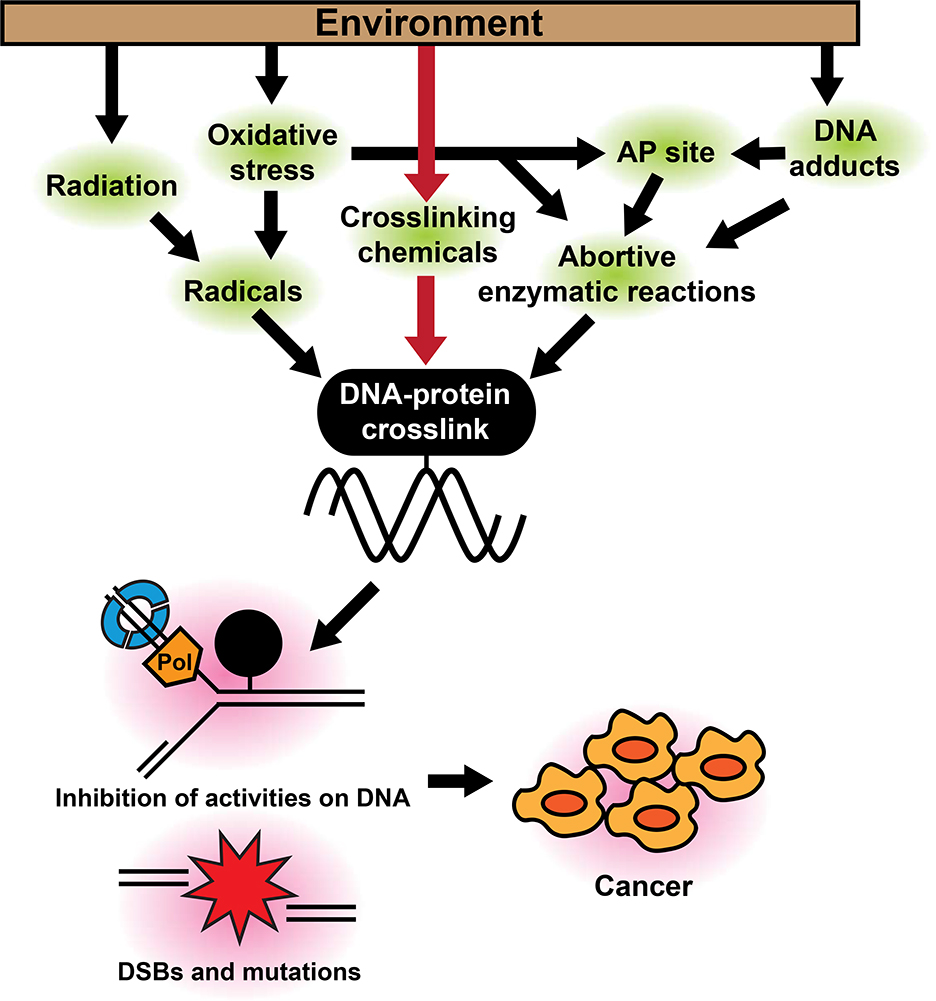
Figure 1.
Figure 1.. Possible pathways for DPC induction by environmental substances.
Some environmental carcinogens (e.g., formaldehyde, 1,3-butadiene, and hexavalent chromium) can generate DPCs through direct crosslinking (red arrows). Others can cause DPCs via indirect mechanisms such as radical production or induction of abortive enzymatic reactions (black arrows). Persistent DPCs can inhibit important cellular activities on chromatin such as DNA replication, and induce mutations, DSBs, and genomic alterations, all of which could contribute to carcinogenesis.
Figure 2.
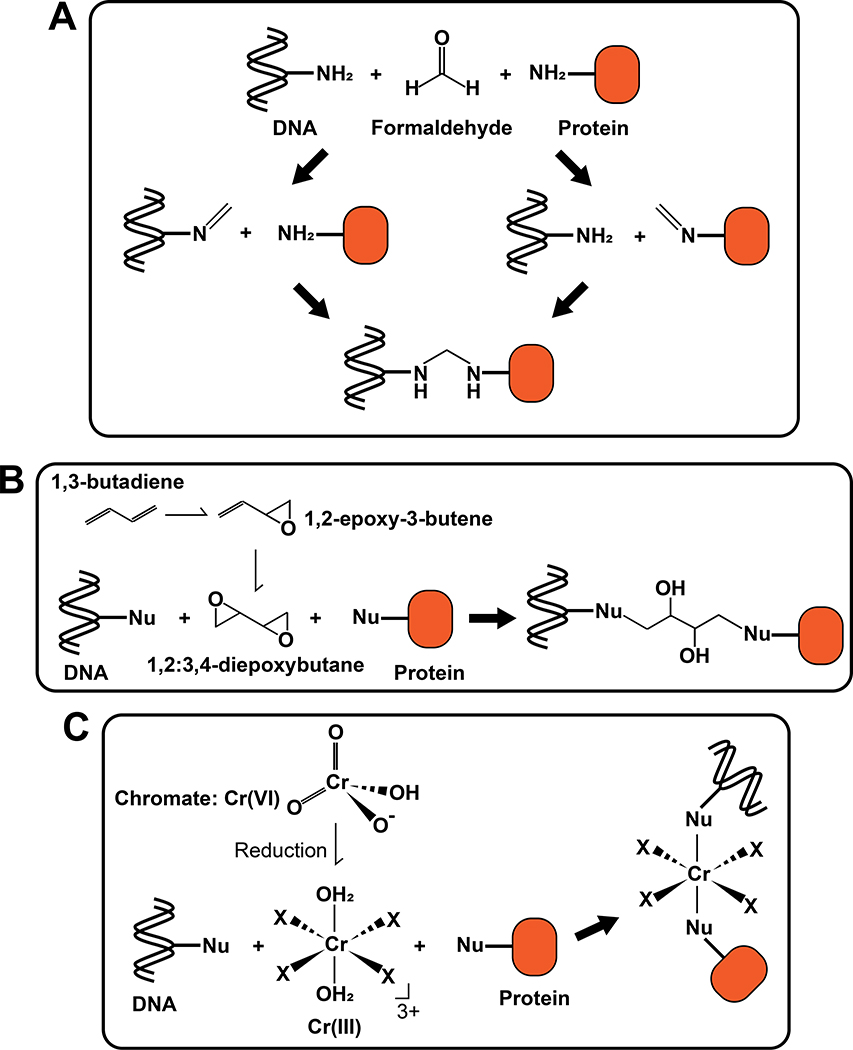
Figure 2.. Formation of DPCs by environmental crosslinking substances.
(A) DPC formation induced by formaldehyde. A reaction of formaldehyde with an amine group of DNA forms a Schiff base (Left), which can react with protein to form a DPC. Alternatively, a reaction of formaldehyde with an amine group of protein forms a Schiff base (Right), which can react with DNA to form a DPC. (B) DPC formation induced by 1,3-butadiene. 1,3-butadiene is metabolized to 1,2-epoxy-3-butene and then to 1,2:3,4-diepoxybutane by cytochrome P450 (CYP450) isozymes in cells. Two epoxy groups in 1,2:3,4-diepoxybutane individually react with nucleophilic residues in DNA and protein to form a crosslink. Nu: nucleophilic residue. (C) DPC formation induced by Cr(VI). Cr(VI) is reduced to Cr(III) in cells and reactive Cr(III) generates crosslinks through reactions with nucleophilic residues on DNA and protein. Nu: nucleophilic residue. X: ligand.
Figure 3.
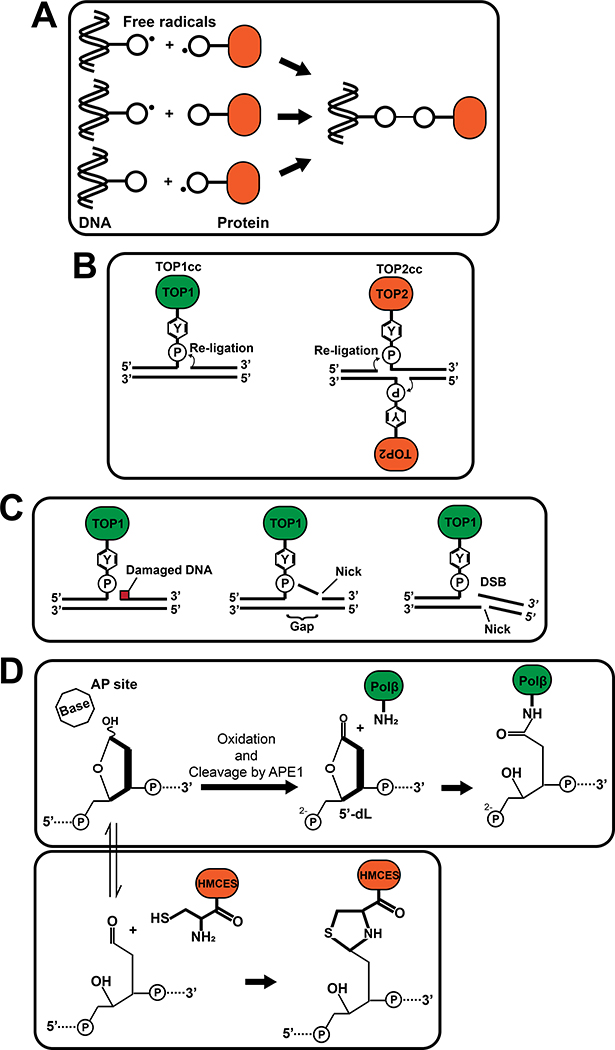
Figure 3.. Indirect mechanisms of DPC formation by environmental substances.
(A) DPC formations through free radicals on DNA and/or proteins. (B) Structures of TOP1cc (left) and TOP2cc (right). A covalent bond between the topoisomerase active site tyrosine and the phosphate in DNA is formed at 3’-end (TOP1cc) or 5’-end (TOP2cc) of DNA. (C) Examples of stable TOP1cc formation through DNA damage caused by environmental carcinogens. DNA damage, such as base damages and an AP site, near TOP1-mediated incision inhibit re-ligation of TOP1 (left). A SSB downstream of the TOP1-mediated incision in the same strand (middle) or in the opposite strand (right) also prevents re-ligation by creating a gap or DSB, respectively. (D) DPC formation at AP sites. 5’-dL (5’-deoxyribonolactone) is generated when an AP site is spontaneously oxidized and cleaved by APE1, and Polβ is covalently trapped through reaction with the 5’-dL (Top). HMCES reacts with the open-ring form of an AP site to form a DPC (Bottom). Circled “P”: phosphate. “Y” in hexagon: tyrosine side chain.
Figure 4.
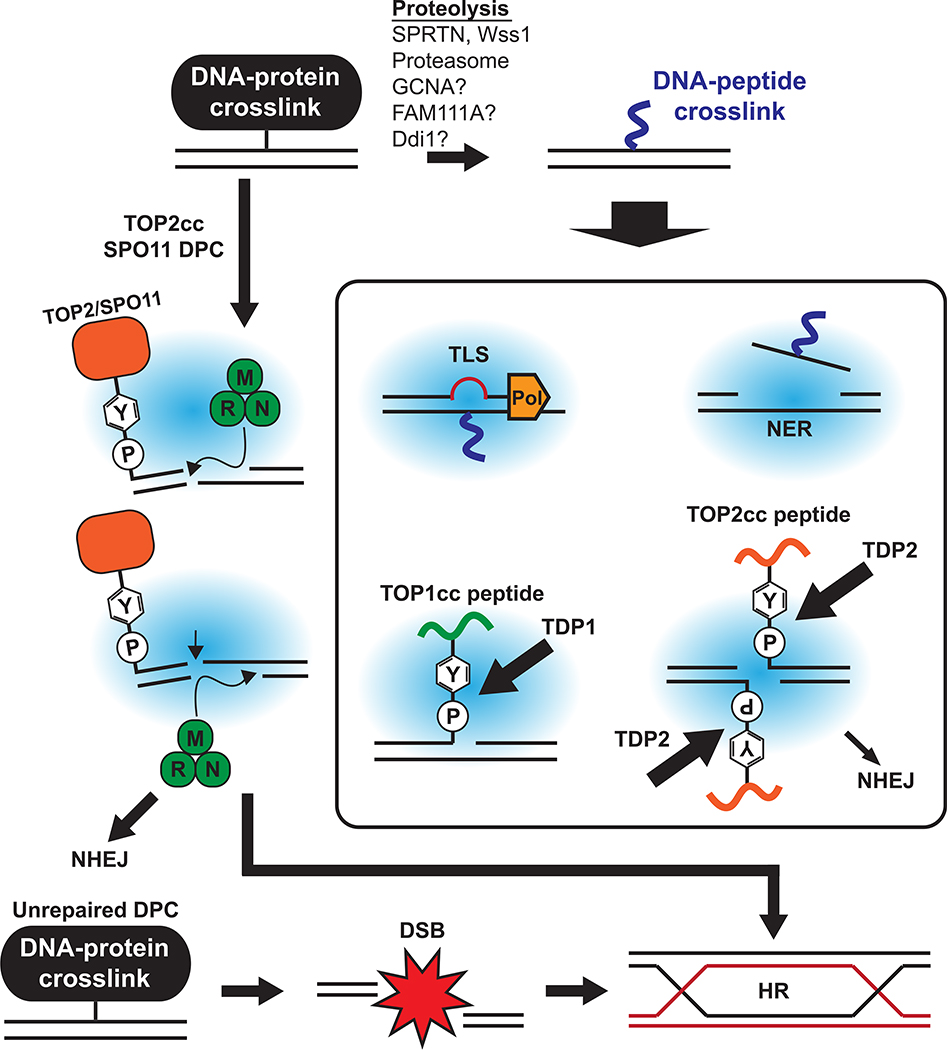
Figure 4.. Crosstalk of DNA repair pathways for DPC resolution.
DPC proteins can be degraded via replication-dependent or -independent proteolysis to a peptide level. The resulting DNA-peptide crosslinks are bypassed by TLS during DNA replication and repaired later by NER. Phosphotyrosyl bonds of TOP1cc and TOP2cc are cleaved by TDP1 and TDP2, respectively. DPCs at 5’-end of DSBs can be removed together with a flanking DNA fragment by nuclease activity of the MRN complex. HR is required to repair DSBs that are generated as a DPC repair intermediate or those that result from replication collisions with DPCs. NHEJ is also employed during TOP2cc processing.

References

    1. Acquavella JF, Leonard RC. 2001. A review of the epidemiology of 1,3-butadiene and chloroprene. Chem Biol Interact 135–136:43–52. - PubMed
    1. Adams K, Greenbaum DS, Shaikh R, van Erp AM, Russell AG. 2015. Particulate matter components, sources, and health: Systematic approaches to testing effects. J Air Waste Manag Assoc 65:544–558. - PubMed
    1. Aparicio T, Baer R, Gottesman M, Gautier J. 2016. MRN, CtIP, and BRCA1 mediate repair of topoisomerase II-DNA adducts. J Cell Biol 212:399–408. - PMC - PubMed
    1. Auerbach C, Moutschen-Dahmen M, Moutschen J. 1977. Genetic and cytogenetical effects of formaldehyde and related compounds. Mutat Res 39:317–361. - PubMed
    1. Bau DT, Wang TS, Chung CH, Wang AS, Wang AS, Jan KY. 2002. Oxidative DNA adducts and DNA-protein cross-links are the major DNA lesions induced by arsenite. Environ Health Perspect 110 Suppl 5:753–756. - PMC - PubMed

Publication types