. 2020 Aug:88:619-630.
doi: 10.1016/j.bbi.2020.04.061. Epub 2020 Apr 23.

Baseline immunoreactivity before pregnancy and poly(I:C) dose combine to dictate susceptibility and resilience of offspring to maternal immune activation

Affiliations

Baseline immunoreactivity before pregnancy and poly(I:C) dose combine to dictate susceptibility and resilience of offspring to maternal immune activation

Myka L Estes et al. Brain Behav Immun. 2020 Aug.

Abstract

Despite the potential of rodent models of maternal immune activation (MIA) to identify new biomarkers and therapeutic interventions for a range of psychiatric disorders, current approaches using these models ignore two of the most important aspects of this risk factor for human disease: (i) most pregnancies are resilient to maternal viral infection and (ii) susceptible pregnancies can lead to different combinations of phenotypes in offspring. Here, we report two new sources of variability-the baseline immunoreactivity (BIR) of isogenic females prior to pregnancy and differences in immune responses in C57BL/6 dams across vendors-that contribute to resilience and susceptibility to distinct combinations of behavioral and biological outcomes in offspring. Similar to the variable effects of human maternal infection, MIA in mice does not cause disease-related phenotypes in all pregnancies and a combination of poly(I:C) dose and BIR predicts susceptibility and resilience of pregnancies to aberrant repetitive behaviors and alterations in striatal protein levels in offspring. Even more surprising is that the intermediate levels of BIR and poly(I:C) dose are most detrimental to offspring, with higher BIR and poly(I:C) doses conferring resilience to measured phenotypes in offspring. Importantly, we identify the BIR of female mice as a biomarker before pregnancy that predicts which dams will be most at risk as well as biomarkers in the brains of newborn offspring that correlate with changes in repetitive behaviors. Together, our results highlight considerations for optimizing MIA protocols to enhance rigor and reproducibility and reveal new factors that drive susceptibility of some pregnancies and resilience of others to MIA-induced abnormalities in offspring.


Conflict of interest statement

Declaration of Competing Interest The authors declare that they have no known competing financial interests or personal relationships that could have appeared to influence the work reported in this paper.

Figures
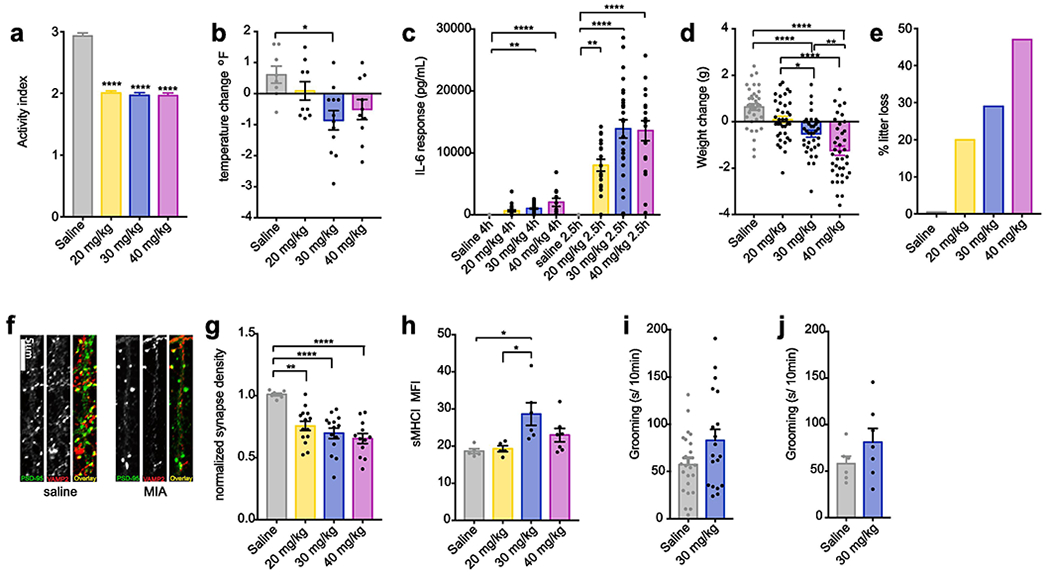
Figure 1.
Figure 1.. Measures of sickness behavior, litter loss, maternal IL-6, and offspring neuronal sMHCI are predictive of a disease-relevant dose of poly(I:C)
(A) Sickness behavior in pregnant female Charles River C57BL/6 mice at gestational day (GD) 12.5 was observed 4 hr post-injection with all 3 poly(I:C) doses—20, 30, and 40mg/kg (F3,184 = 102.3, P < 0.0001). (B) However, body temperature of GD12.5 dams 4hr post-injection was decreased at 30 and 40mg/kg, but not 20mg/kg, compared to saline, with only the 30mg/kg dose reaching significance (F3,35 = 4.289, P < 0.05). (C) Although all 3 doses caused significant elevations in maternal serum IL-6 at 2.5 and 4 hr post-injection, IL-6 levels were much higher at 2.5hr than at 4hr post-injection and only the 30 and 40mg/kg doses reached the 10,000 pg/ml IL-6 MIA threshold (F3,35 = 25.54, P < 0.0001). (D) The 30 and 40, but not 20, mg/kg doses caused significant weight loss in dams 24hr after poly(I:C) injection compared to saline (F7,187 = 26.93, P < 0.0001). (E) Poly(I:C) caused litter loss in a dose-dependent manner. For the pregnancies that resulted in pups, there was no change in litter size (not shown). (F) Representative images of glutamatergic synapses on dendrites cultured from the frontal cortex (FC) of newborn offspring of saline-injected (saline) or poly(I:C)-injected (MIA) mothers. Neurons were immunostained at 8 DIV for excitatory synapse density using antibodies against PSD-95 (green) and VAMP2 (red). Scale bar = 5 μm. (G) All doses of poly(I:C) were associated with a significant decrease in synapse density (SD) (F3,43 = 11.01, P < 0.0001). Values were normalized to saline control (n ≥ 7 litters). (H) Surface MHCI (H2-Kb) was significantly increased on acutely dissociated neurons from FC of P0 offspring following MIA elicited by 30, but not 20 or 40, mg/kg poly(I:C), as assessed using flow cytometry (n ≥ 5 mice per group, 2 experiments) (F3,19 = 5.156, P < 0.01). (I-J) The effects of poly(I:C) dose on male offspring grooming (secs/10 min) behavior were assessed between P60-80. (I) Although there was a strong trend toward increased grooming in the MIA offspring from the 30 mg/kg group, the results were not significant due to the high variance (P = 0.06) (n ≥ 19 mice per group from at least 6 litters, 3 experiments). (J) The lack of significance and high variance remained after accounting for litter effects by averaging the grooming behavior of individuals within each litter (P = 0.22) (n ≥ 6 litters, 3 experiments). Bars represent mean ± s.e.m *p < 0.05, **p < 0.01, ***p < 0.001.
Figure 2.
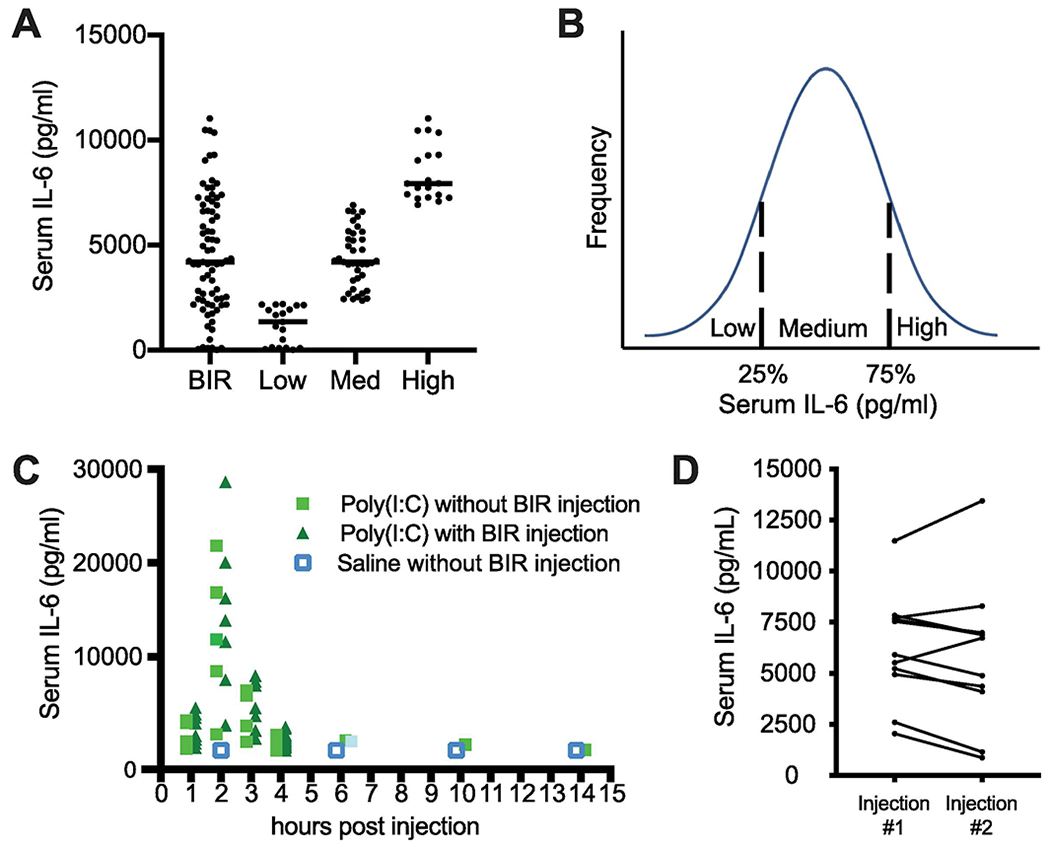
Figure 2.. Isogenic C57BL/6 female mice exhibit a wide range of baseline immunoreactivity (BIR) before pregnancy.
(A) 8 week-old virgin females were injected with low dose (~4 mg/ml) poly(I:C) and assessed for serum IL-6 by tail bleed 2.5hr post-injection, injected intraperitoneally (IP) with 4.0-4.4 mg/ml of high molecular weight (HMW) poly(I:C) dsRNA The BIR of ~80 virgin female CR mice is surprisingly variable, ranging from 0-12,000pg/ml when measured at 2.5h post- injection. (B) These mice can be divided into 3 groups of low, medium, and high responders. The frequency distribution of dams’ BIR defined by their serum IL-6 response to a low test dose was used to define low, medium, and high responders by quartile. (C) Testing for BIR using a low dose of poly(I:C) prior to breeding does not change the maternal response to poly(I:C) at GD12.5. Dams were tail-bled at multiple time points following poly(I:C) or saline injection at GD 12.5 and isolated serum was analyzed by Luminex for IL-6. Maternal IL-6 peaked between 2 and 2.5hr post-injection for all dams. The time-course of maternal IL-6 in unprimed mice (green squares) is the same as in primed mice tested for BIR (triangles) and both are much greater than the responses in saline-injected mice (blue open squares). Data points for each condition are shifted slightly at each time-point for better visualization. Saline injection at GD 12.5 did not alter maternal serum IL-6 at any time-point measured (n > 6). (D) BIR to low dose poly(I:C) is a stable trait in virgin female mice. One week after the first low dose injection to determine BIR, the same females were injected again with the same low dose of poly(I:C) and assessed for serum IL-6. All animals remained within their initial ‘low’, ‘medium,’ and ‘high’ BIR designation from the first to the second injection of low dose poly(I:C).
Figure 3.
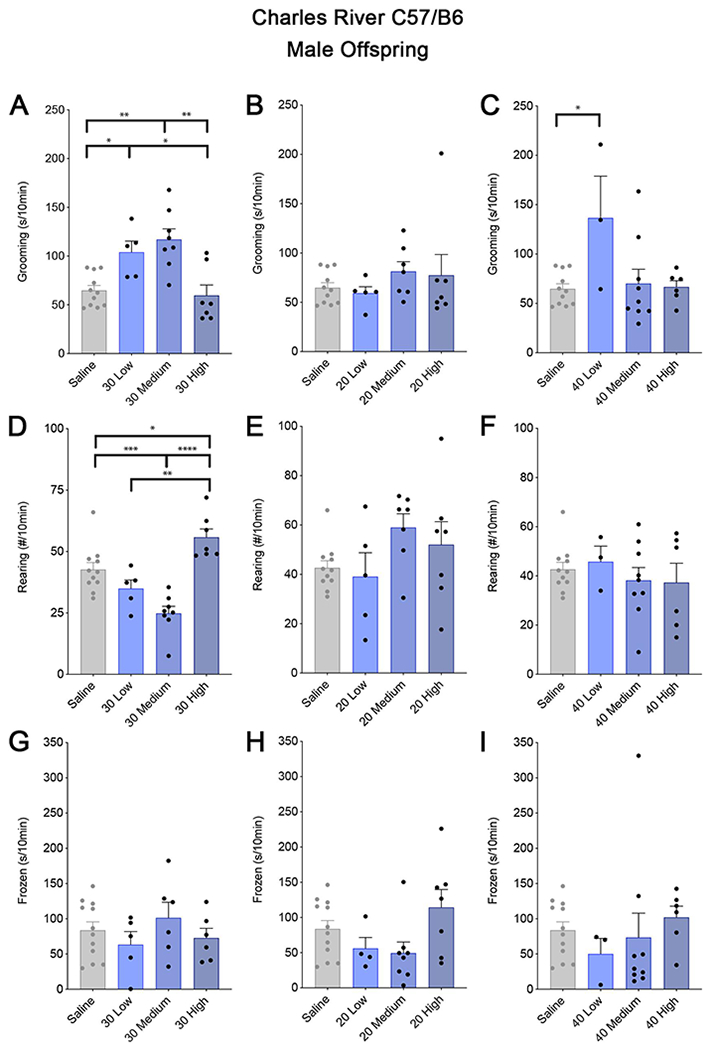
Figure 3.. MIA alters behavior in C57BL/6 CR male offspring in a dose and BIR-dependent manner.
Grouping litters by BIR of the dam revealed BIR-dependent changes in grooming (A-C) and rearing (D-F), but not freezing (G-I) behavior of young adult male offspring (P60-P80) following MIA. The lowest, 20mg/kg dose of poly(I:C) did not alter any of the behaviors tested in offspring, regardless of the dam’s BIR (B, E, H). However, self-grooming was elevated in offspring from dams injected with 30 and 40 mg/kg poly(I:C), in a BIR-dependent manner. In the 30mg/kg group (A), the time spent grooming was significantly increased in the low and medium BIR groups (Nested one-way ANOVA; F3,27 = 8.775; Low: P = 0.0427; Medium: P = 0.0062), but there was no difference from controls in the high BIR group (P = 0.9568). (C) Offspring from low BIR dams injected with a higher, 40mg/kg dose also showed increased grooming, but there was no change in grooming in the medium or high BIR groups at this higher dose (Nested one-way ANOVA; F3,25 = 2.862, Low: P = 0.0442; Medium: P = 0.9859; High: P > 0.9999). (D) Offspring from dams injected with 30mg/kg poly(I:C) also exhibited changes in rearing. Offspring from medium BIR dams showed a significant decrease in frequency, while those from high BIR dams showed the opposite behavior—a significant increase compared to controls (F3,15 = 9.407, Medium: P < 0.001; High: P = 0.0117). Low BIR MIA offspring were not different from controls (P = 0.4910). There were also no changes in rearing at lower (20mg/kg) or higher (40mg/kg) doses of poly(I:C) (E,F). 2-6 pups per litter were assessed for behaviors and their responses were averaged into a single value per litter. It is important to note that the variability in control offspring likely contributes to the lack of significant effects in some of these behaviors. Bars represent mean of litter values for 3-12 litters, as indicated ± SEM. Significance was determined using a nested 1-way ANOVA followed by Tukey’s test for multiple comparisons.
Figure 4.
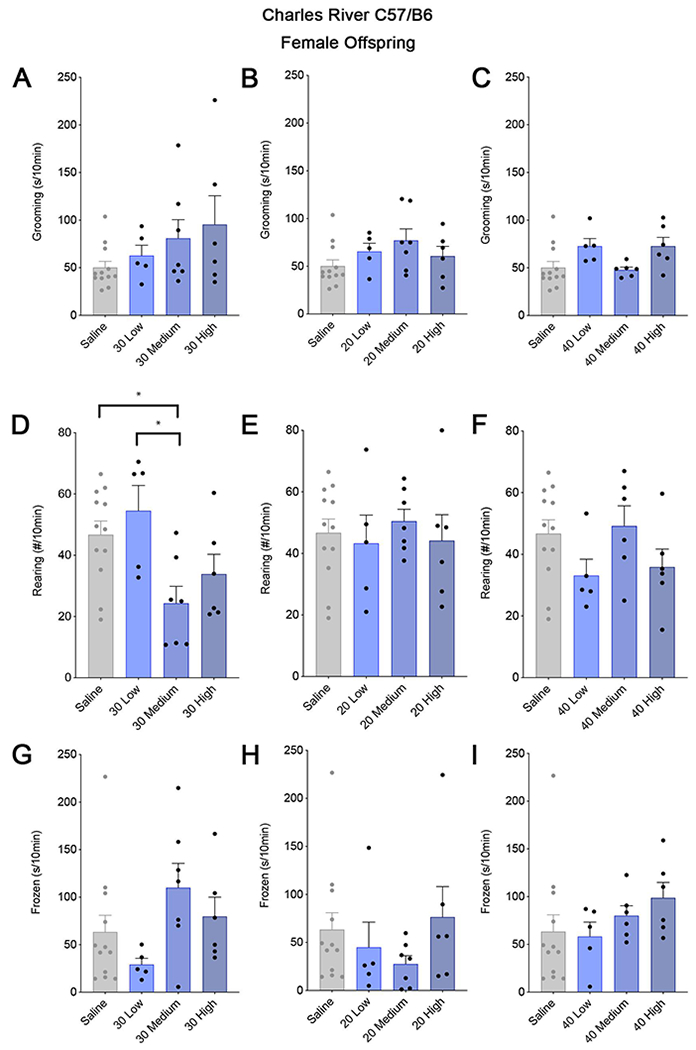
Figure 4.. Female C57BL/6 CR offspring are less affected by MIA than their male littermates.
The young adult female littermates of the males shown in Figure 3 were mostly unaffected by MIA, regardless of BIR group. In contrast to male offspring, there was no difference in grooming behavior (A-C) in any of the female offspring from dams injected with any of the three poly(I:C) doses. (D) The only significant behavioral difference in the female offspring was a decrease in rearing in the offspring from dams with medium BIR injected with 30mg/kg poly(I:C) (Nested one-way ANOVA; F3,26 = 4.623, P = 0.0305), similar to the changes found in their male littermates (Figure 3D). Female offspring from dams injected with the same dose, but with low or high BIR, and from dams injected with lower (20mg/kg) (E) or higher doses (40mg/kg poly(I:C) (F), were no different from control offspring (Nested one-way ANOVA; 20mg/kg; F3,26 = 0.1937, Low: P = 0.9849; Medium: P = 0.9693; High: P = 0.9953; 30mg/kg, F3,26 = 4.623, Low: P = 0.8567; High: P = 0.3447; 40mg/kg; F3,25 = 2.239, Low: P = 0.3767; Medium: P = 0.9421, High: P = 0.3248). As in the males, MIA does not alter freezing in offspring, although there were stronger trends toward changes in the females than in the males (G-I). 2-6 pups per litter were assessed for behaviors and their responses were averaged into a single value per litter. It is important to note that the variability in control offspring likely contributes to the lack of significant effects in some of these behaviors. Bars represent mean of litter values for 3-12 litters, as indicated ± SEM. Significance was determined using a nested 1-way ANOVA followed by Tukey’s test for multiple comparisons.
Figure 5.
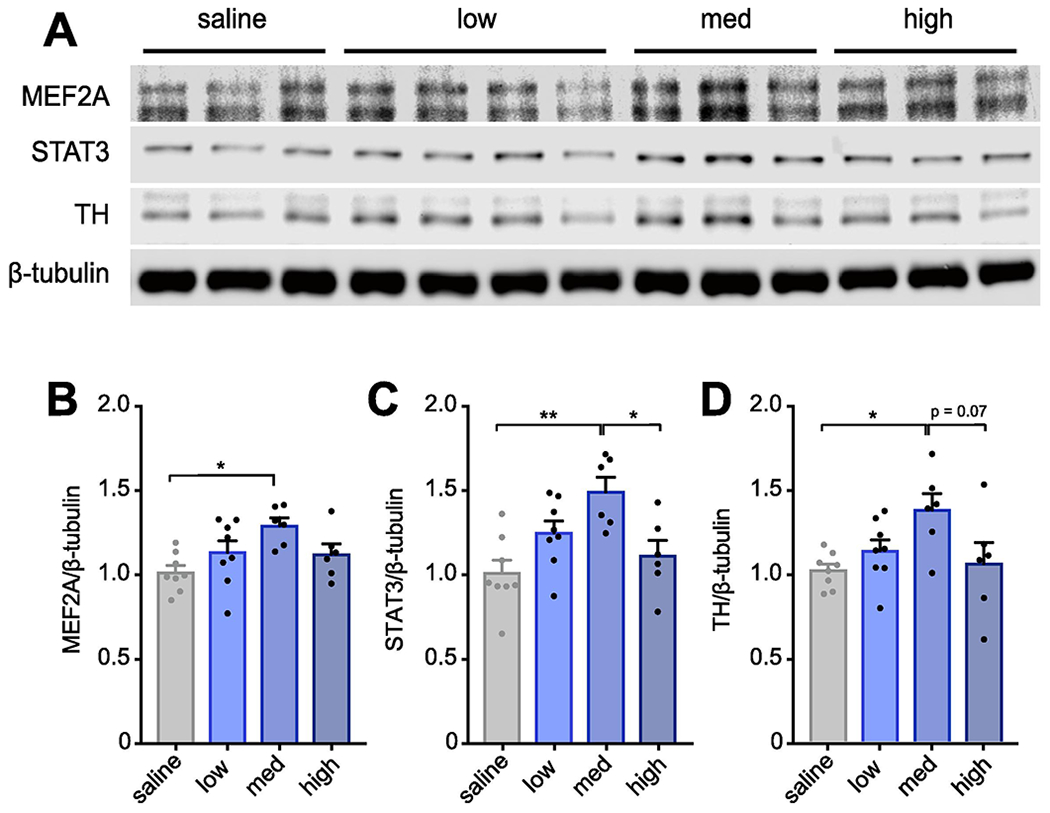
Figure 5.. Levels of dopaminergic and immune proteins are altered in the striatum of newborn offspring in a BIR-dependent manner that correlates with repetitive behavioral deficits.
(A) Representative western blot showing increased MEF2, STAT3, and TH protein from striatum of MIA offspring compared to saline control offspring in a manner dependent on BIR of the dams. Each column is from one animal. (B-D) Densitometry shows increased levels of MEF2A (B), STAT3 (C), and TH (D) protein in MIA offspring relative to saline when normalized to β-tubulin loading controls (MEF2A: F3,24 = 3.968, P < 0.05; STAT3: F3,24 = 6.401, P < 0.01; TH: F3,24 = 3.668, P < 0.05). Data were averaged from two males per litter and 6-7 litters per BIR group; each point indicates the litter average value normalized to controls. Bars represent mean ± s.e.m *p < 0.05, **p < 0.01, ***p < 0.001.
Figure 6.
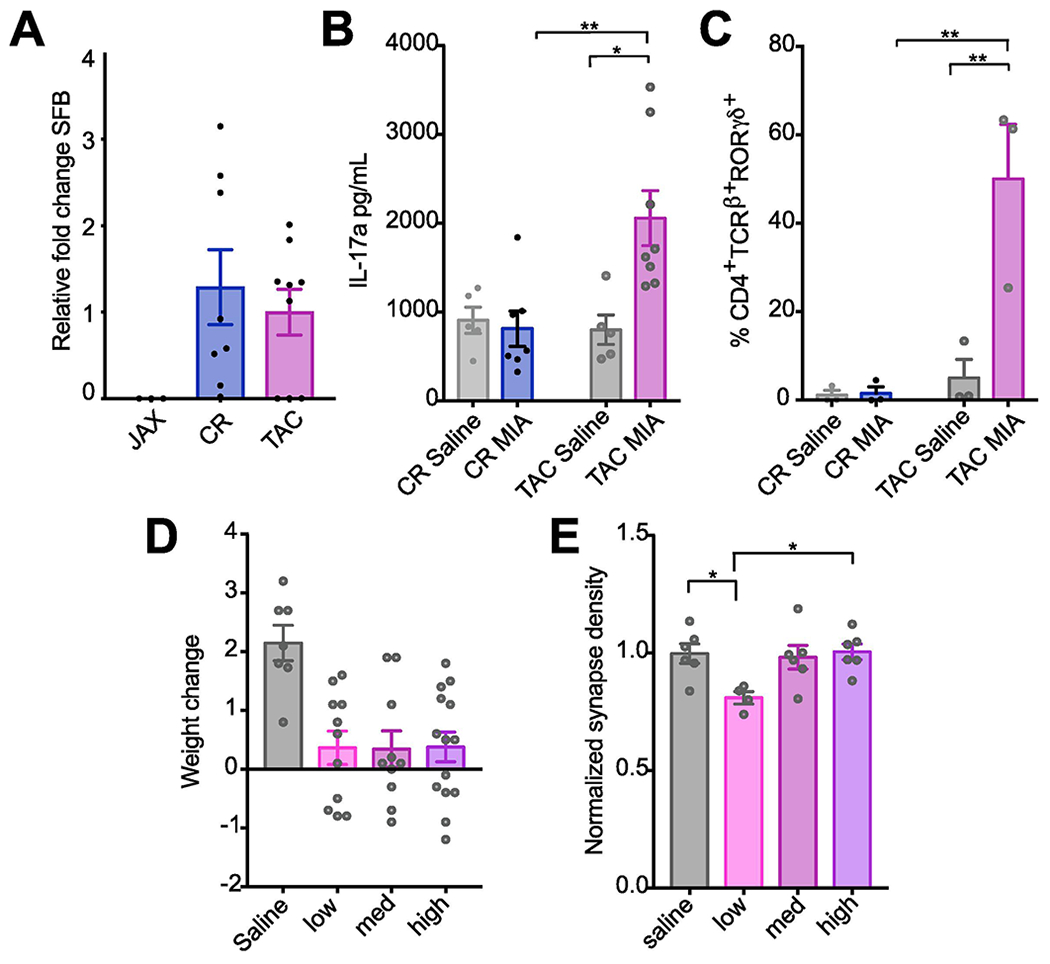
Figure 6.. C57BL/6 mice from different sources differ in their responses to MIA both during pregnancy and in the brains of offspring
(A) Mice sourced from CR and TAC harbor segmented filamentous bacteria (SFB), while mice sourced from JAX do not. SFB expression was detected using qPCR from the fecal samples from CR and TAC mice. Consistent with previous reports, we did not detect SFB in the fecal samples of mice sourced from JAX. Bars represent mean ± SEM, n > 3 mice per condition. (B) Poly(I:C) injection at GD 12.5 caused dramatic elevations in serum concentrations of maternal IL-17a at GD14.5 in TAC, but not in CR, dams (significant interaction condition x source; F1,21 = 7.164, P < 0.05; n ≥ 5 mice per condition, > 2 experiments). (C) TAC but not CR dams show a significant increase in splenic TH17 cells 48hr following poly(I:C) injection (F1,8 = 11.48, P < 0.01). Splenic CD4+TCRβ+ T cells stained intracellularly for RORγt from GD14.5 dams injected with poly(I:C) or saline at GD12.5 were detected using flow cytometry. (D) TAC dams do not lose weight in any BIR MIA group 24hr following poly(I:C) injection. (E) Neurons from neonatal low BIR MIA offspring from TAC dams showed a significant decrease in synapse density (SD) (F3,18 = 4.014, P < 0.05) whereas there was MIA-induced no change in synapse density in neurons from offspring from med and high BIR dams. Values were normalized to saline control (n ≥ 4 litters). Bars represent mean ± s.e.m *p < 0.05, **p < 0.01, ***p < 0.001.
Figure. 7.
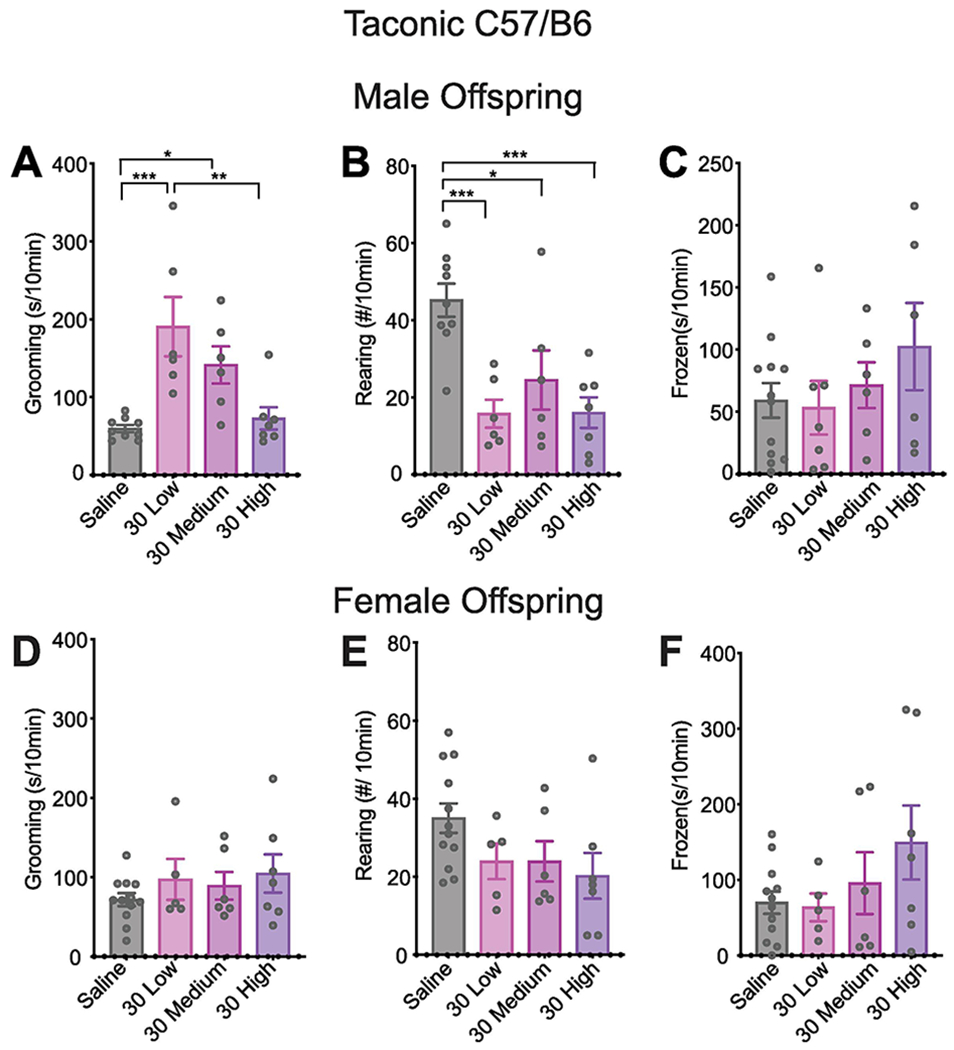
Figure. 7.. MIA causes elevated grooming and reduced rearing in a BIR-dependent manner in male, but not female, C57BL/6 adult offspring from Taconic.
Young adult male (P60-P80) MIA offspring from TAC dams treated with a 30 mg/kg dose of poly(I:C) were assessed for (A) grooming, (B) rearing, and (C) freezing behaviors. Similar to male mice from CR (Figure 3), MIA TAC male offspring showed elevated grooming in low and medium BIR groups, but not the high BIR group (F3,24 = 8.781, low: P < 0.001; medium: P = 0.0393, high: P = 0.9520). However, the effect size for time spent self-grooming in MIA offspring from low BIR dams was larger when animals were sourced from TAC compared to CR (source x BIR: F3,51 = 3.81, P < 0.05; post hoc TAC low > CR low; P < 0.01). (B) Rearing was decreased in all BIR MIA groups in TAC mice (F3,24 = 8.764, low: P = 0.0016; medium: P = 0.0370; high: P = 0.0012), in contrast to the more complex effects of MIA on rearing in CR mice shown in Figure 3. (C) MIA did not alter freezing in male offspring. In contrast to the males, the female offspring exhibited no behavioral changes in (D) grooming, (E) rearing, or (F) freezing. 2-6 pups per litter were assessed for behaviors and their responses were averaged into a single value per litter. It is important to note that the variability in control offspring likely contributes to the lack of significant effects in some of these behaviors. Bars represent mean of litter values for 3-12 litters, as indicated ± SEM, *p < 0.05, **p < 0.01, ***p < 0.001. Significance was determined using a nested 1-way ANOVA followed by Tukey’s test for multiple comparisons.

References

    1. Atladottir HO, Thorsen P, Ostergaard L, Schendel DE, Lemcke S, Abdallah M, Parner ET, 2010. Maternal infection requiring hospitalization during pregnancy and autism spectrum disorders. J Autism Dev Disord 40, 1423–1430. - PubMed
    1. Bauman MD, Iosif AM, Smith SE, Bregere C, Amaral DG, Patterson PH, 2014. Activation of the maternal immune system during pregnancy alters behavioral development of rhesus monkey offspring. Biol Psychiatry 75, 332–341. - PMC - PubMed
    1. Borta A, Schwarting RK, 2005. Post-trial treatment with the nicotinic agonist metanicotine: Differential effects in Wistar rats with high versus low rearing activity. Pharmacol Biochem Behav 80, 541–548. - PubMed

    1. Bronson SL, Ahlbrand R, Horn PS, Kern JR, Richtand NM, 2011. Individual differences in maternal response to immune challenge predict offspring behavior: contribution of environmental factors. Behav Brain Res 220, 55–64. - PMC - PubMed
    1. Careaga M, Murai T, Bauman MD, 2017. Maternal Immune Activation and Autism Spectrum Disorder: From Rodents to Nonhuman and Human Primates. Biol Psychiatry 81, 391–401. - PMC - PubMed

Publication types