


Wearable Sensor-Based Gait Analysis for Age and Gender Estimation
- PMID: 32344673
- PMCID: PMC7219505
- DOI: 10.3390/s20082424
Wearable Sensor-Based Gait Analysis for Age and Gender Estimation
Abstract
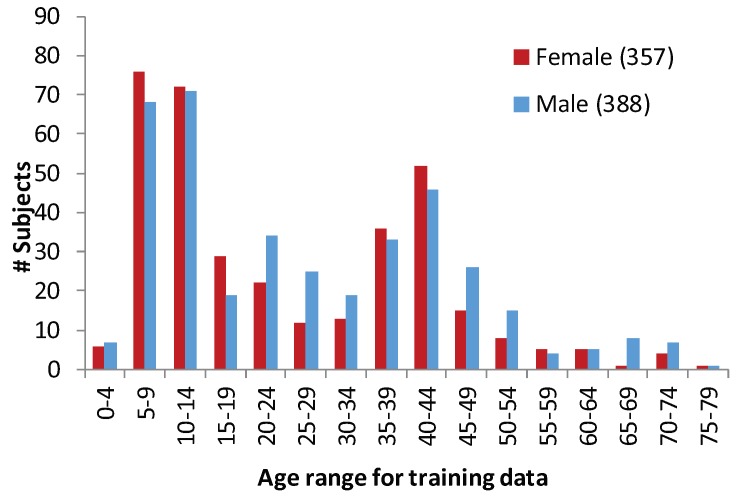
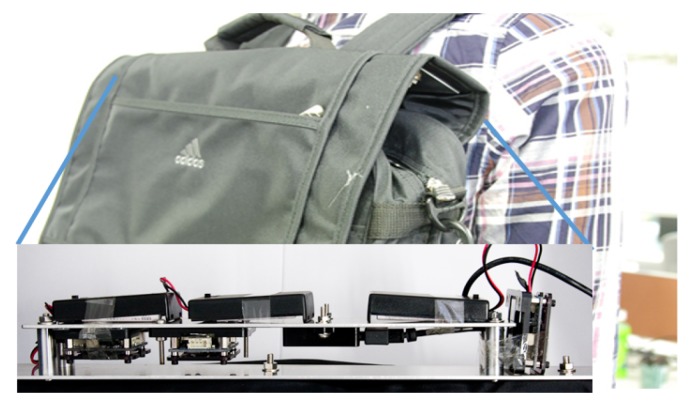
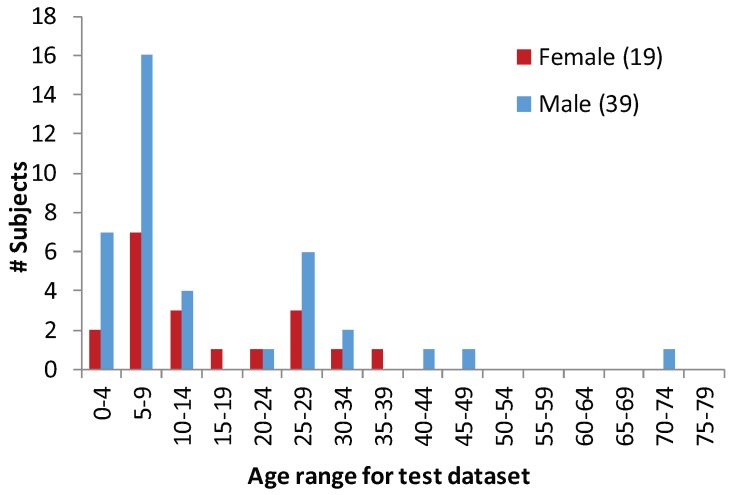
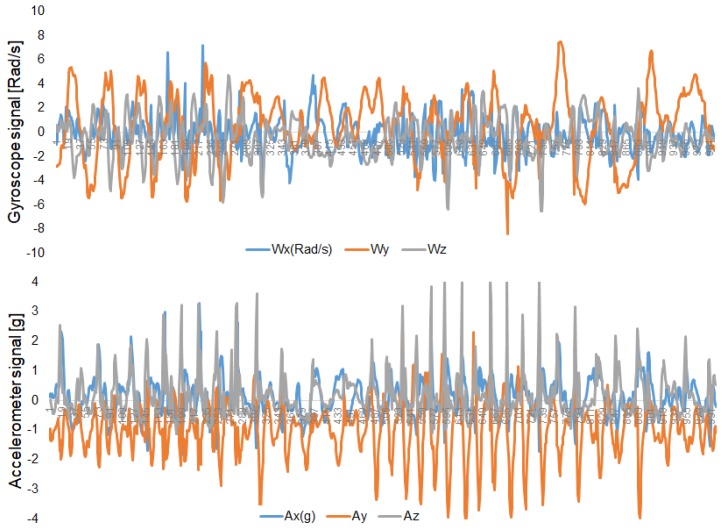
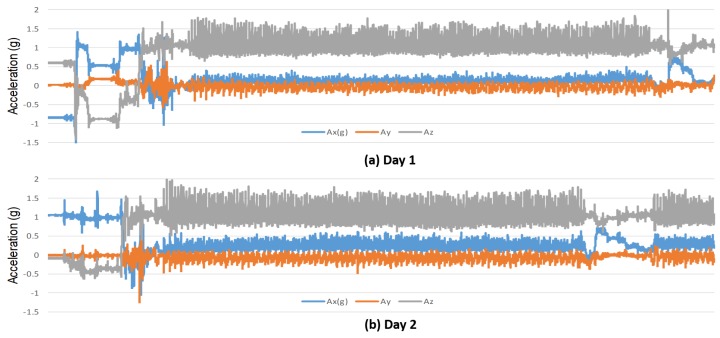
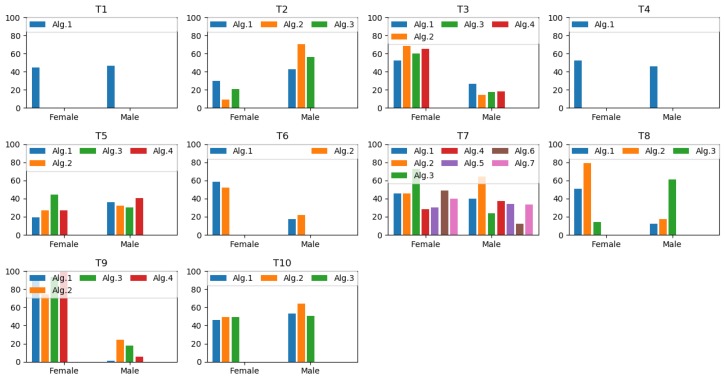
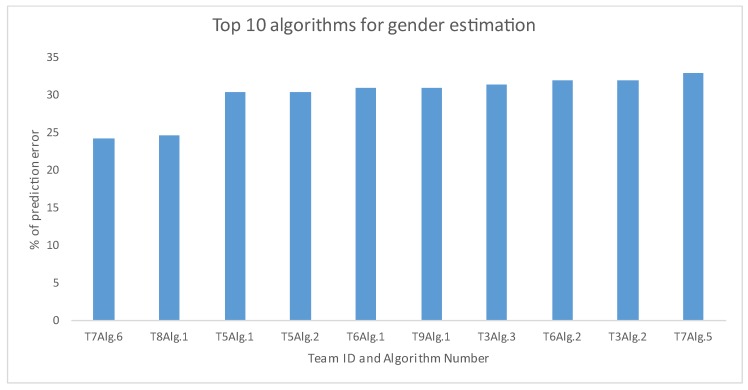
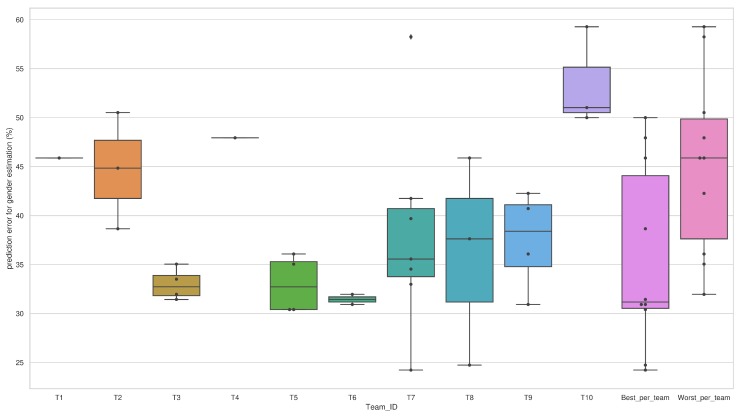
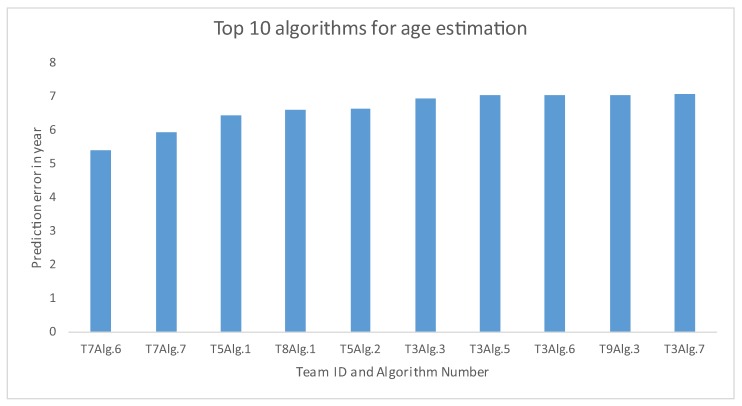
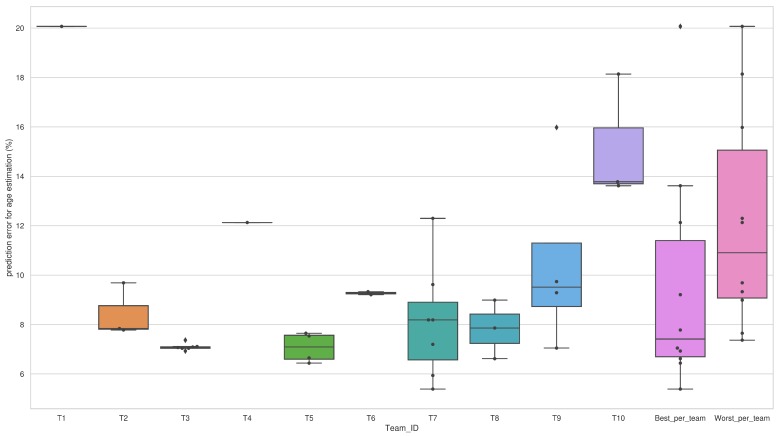
Wearable sensor-based systems and devices have been expanded in different application domains, especially in the healthcare arena. Automatic age and gender estimation has several important applications. Gait has been demonstrated as a profound motion cue for various applications. A gait-based age and gender estimation challenge was launched in the 12th IAPR International Conference on Biometrics (ICB), 2019. In this competition, 18 teams initially registered from 14 countries. The goal of this challenge was to find some smart approaches to deal with age and gender estimation from sensor-based gait data. For this purpose, we employed a large wearable sensor-based gait dataset, which has 745 subjects (357 females and 388 males), from 2 to 78 years old in the training dataset; and 58 subjects (19 females and 39 males) in the test dataset. It has several walking patterns. The gait data sequences were collected from three IMUZ sensors, which were placed on waist-belt or at the top of a backpack. There were 67 solutions from ten teams-for age and gender estimation. This paper extensively analyzes the methods and achieved-results from various approaches. Based on analysis, we found that deep learning-based solutions lead the competitions compared with conventional handcrafted methods. We found that the best result achieved 24.23% prediction error for gender estimation, and 5.39 mean absolute error for age estimation by employing angle embedded gait dynamic image and temporal convolution network.
Keywords: age estimation; gait; gender; recognition; smartphone; wearable sensor.
Conflict of interest statement
The authors declare no conflict of interest.
Figures

References
-
- Ageing and Health World Health Organization. [(accessed on 10 January 2020)]; Available online: www.who.int/news-room/fact-sheets/detail/ageing-and-health.
-
- Ahad M.A.R., Antar A.D., Shahid O. Vision-based Action Understanding for Assistive Healthcare: A Short Review; Proceedings of the IEEE Conference on Computer Vision and Pattern Recognition (CVPR) Workshops; Long Beach, CA, USA. 16–20 June 2019; pp. 1–11.
-
- Islam S.M.R., Kwak M.D., Kabir H., Hossain M., Kwak K.-S. The Internet of Things for Health Care: A Comprehensive Survey. IEEE Access. 2015;3:678–708. doi: 10.1109/ACCESS.2015.2437951. - DOI
-
- Elkholy A., Makihara Y., Gomaa W., Ahad M.A.R., Yagi Y. Unsupervised GEI-Based Gait Disorders Detection From Different Views; Proceedings of the 41st Annual International Conference of the IEEE Engineering in Medicine and Biology Society (EMBC’19); Berlin, Germany. 23–27 July 2019. - PubMed
MeSH terms
LinkOut - more resources
Full Text Sources
