


The Prognostic Value of the Detection of Microbial Translocation in the Blood of Colorectal Cancer Patients
- PMID: 32344707
- PMCID: PMC7226464
- DOI: 10.3390/cancers12041058
The Prognostic Value of the Detection of Microbial Translocation in the Blood of Colorectal Cancer Patients
Abstract
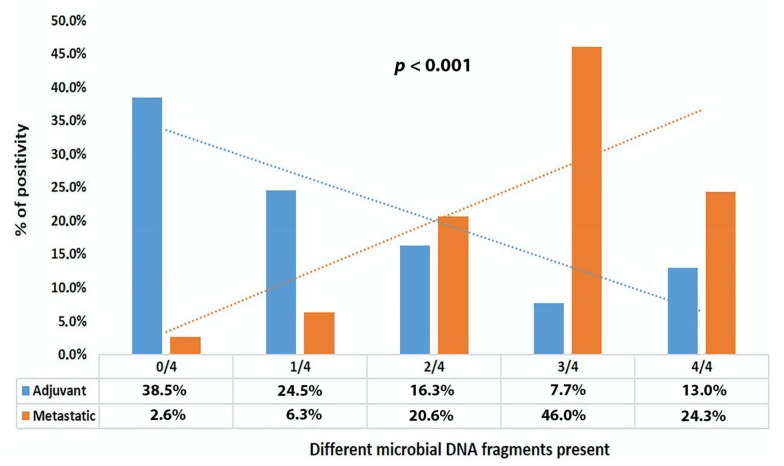
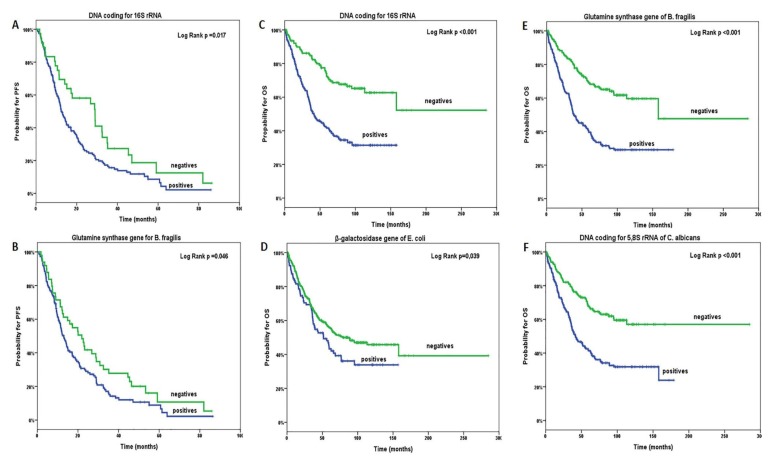
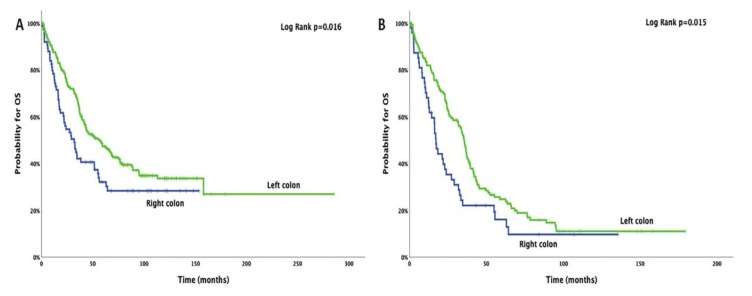
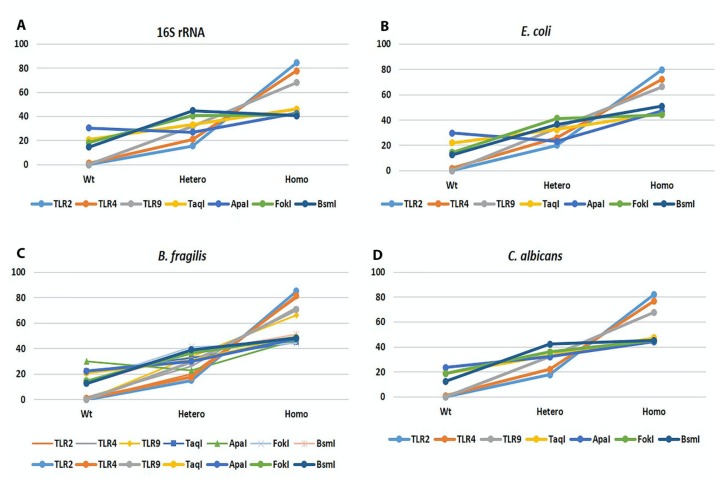
Dysbiosis has been associated with various diseases and is of major health importance. Dysbiosis leads to microbial translocation, which is the passage of microorganisms, their fragments, or their metabolites from the intestinal lumen into the blood circulation and other sites. The aim of the study was to determine whether microbial translocation occurs in stage II/III-IV colorectal cancer (CRC) patients. The aim was also to evaluate the usefulness of blood PCR for diagnosis of such translocation and correlate the presence of toll-like receptor/vitamin D receptor (TLR/VDR) gene polymorphisms with microbial DNA fragments detected in the blood of CRC patients. Three hundred and ninety-seven CRC patients enrolled in the study. Peripheral blood DNA was analyzed using PCR for the amplification of genomic DNA encoding 16S rRNA, the β-galactosidase gene of Escherichia coli, glutamine synthase gene of Bacteroides fragilis, and 5.8S rRNA of Candida albicans. Significantly higher rates of all microbial fragments, but E. coli, detected were observed in the CRC patients (p < 0.001); such detection of all four microbial fragments was also significantly associated with the metastatic disease (p < 0.001), leading to shorter survival rates (p < 0.001). Tumor location in the right colon also significantly correlated with shorter survival (p = 0.016). Individuals with homozygous mutant alleles of TLR/VDR polymorphisms had significantly higher detection rates of microbial DNA fragments. The detection of microbial DNA fragments in CRC patients highlighted the role of these microbes in cancer development, progression, and patients' survival.
Keywords: bacterial translocation; colorectal cancer; dysbiosis; microbial translocation; toll-like receptors; vitamin D receptors.
Conflict of interest statement
The authors declare no conflict of interest.
Figures
References
Grants and funding
LinkOut - more resources
Full Text Sources
Medical
