


An in-silico evaluation of different Saikosaponins for their potency against SARS-CoV-2 using NSP15 and fusion spike glycoprotein as targets
- PMID: 32345124
- PMCID: PMC7232888
- DOI: 10.1080/07391102.2020.1762741
An in-silico evaluation of different Saikosaponins for their potency against SARS-CoV-2 using NSP15 and fusion spike glycoprotein as targets
Abstract
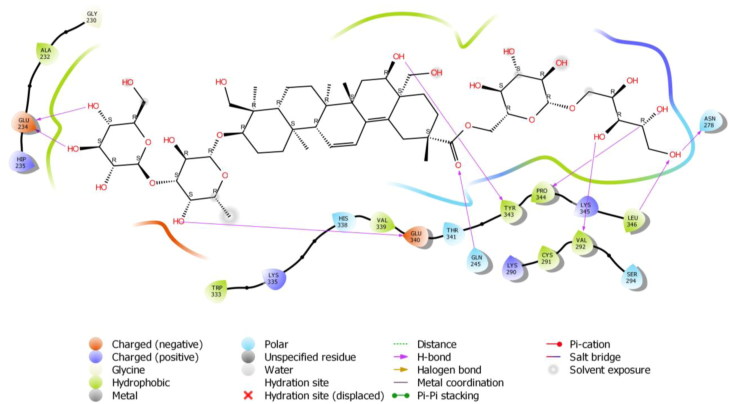
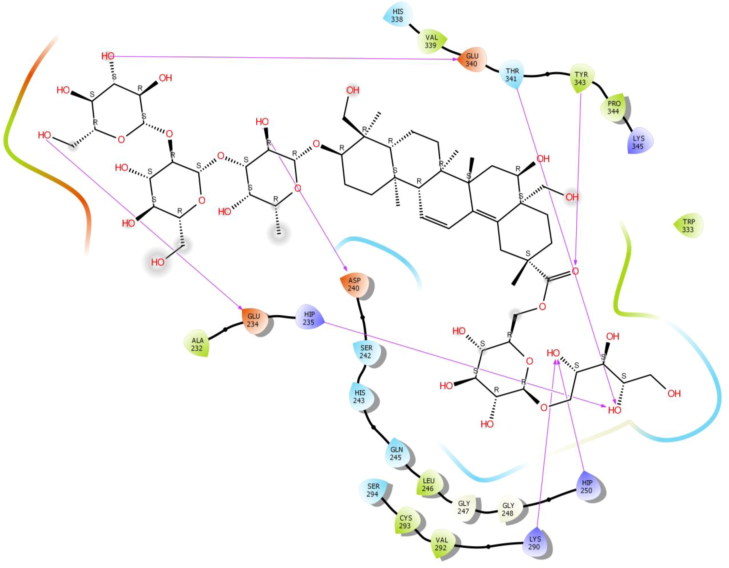
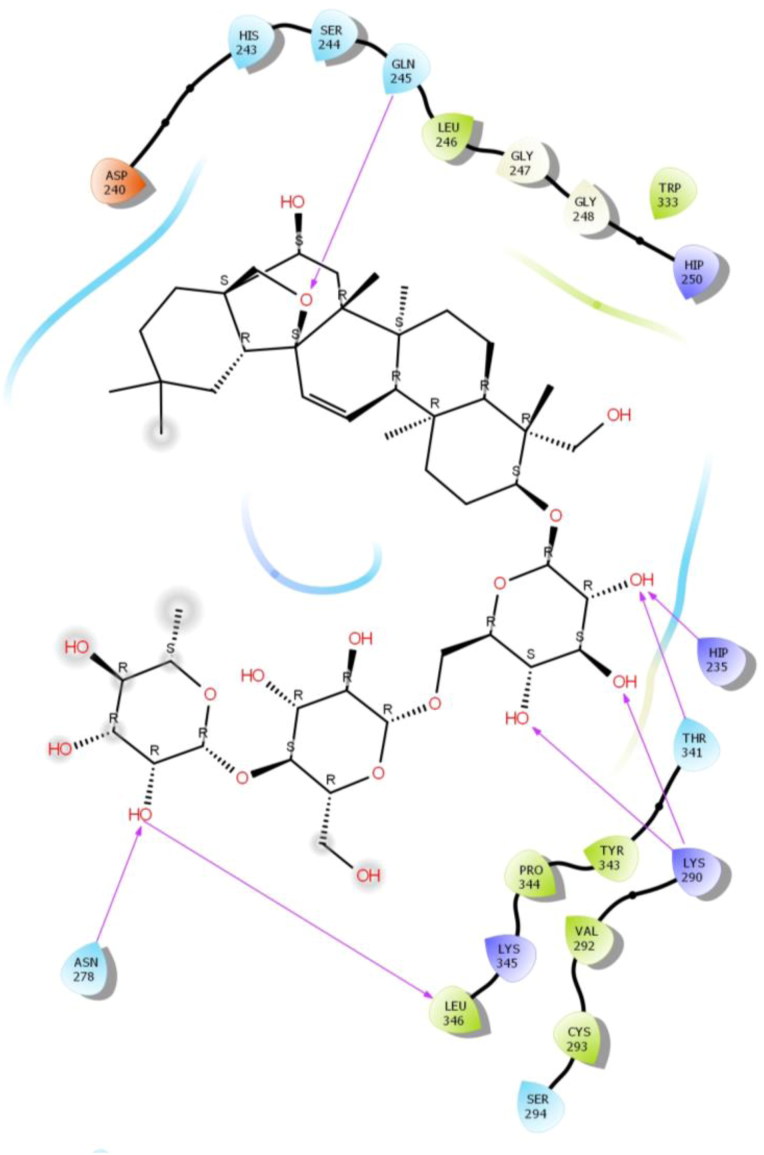
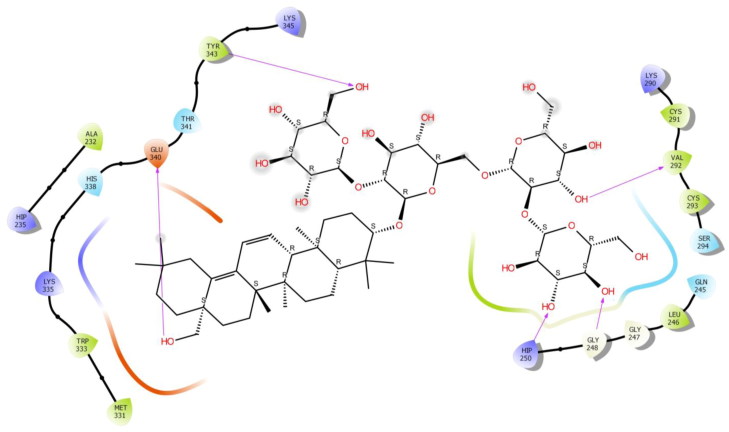
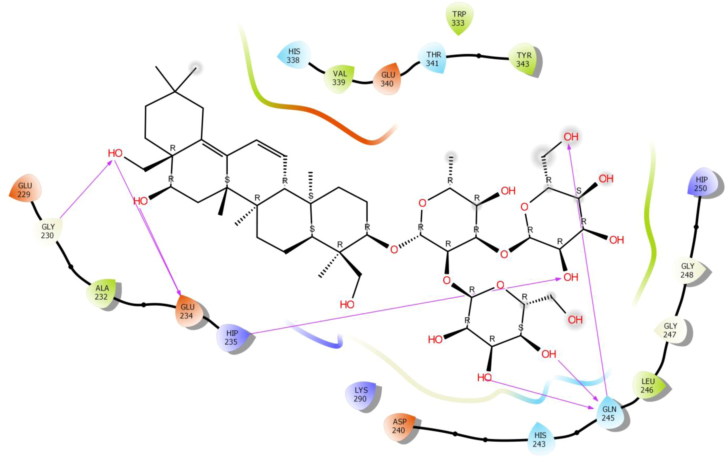
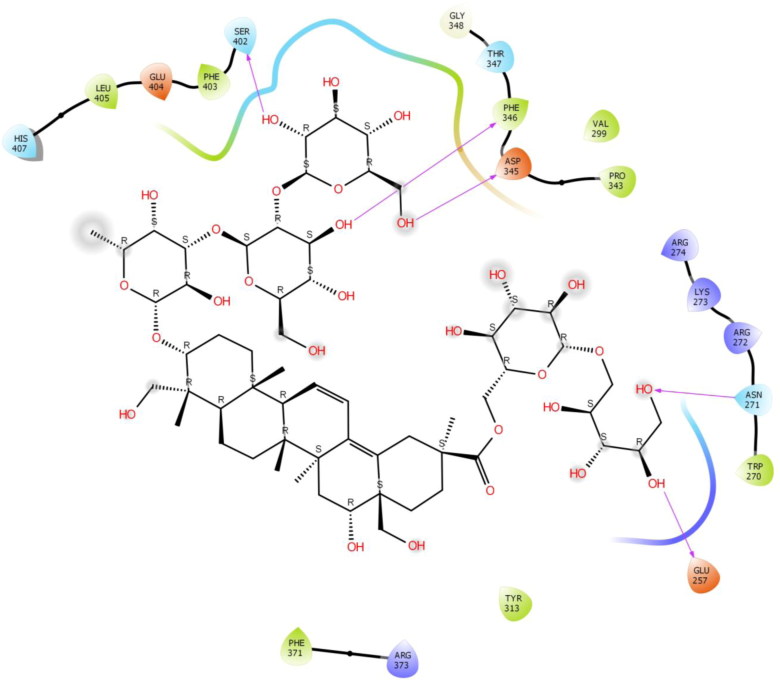
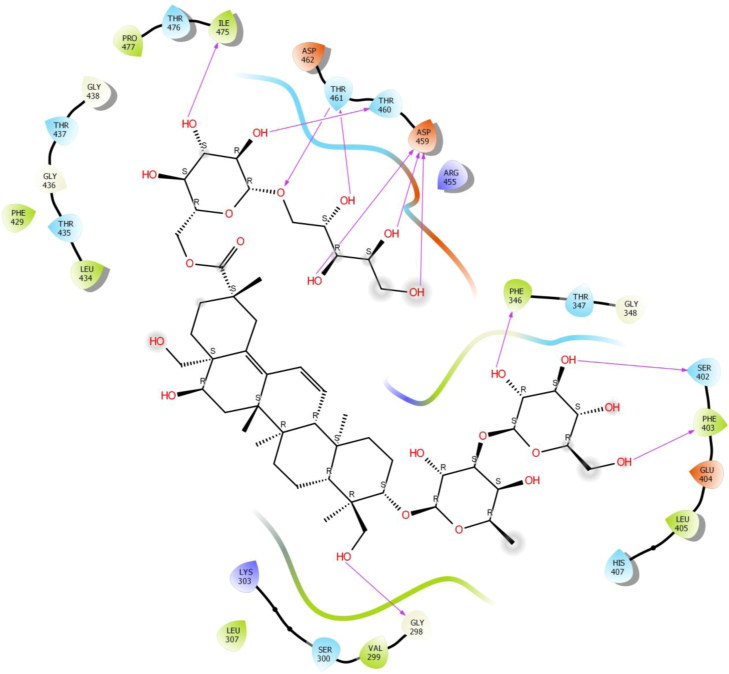
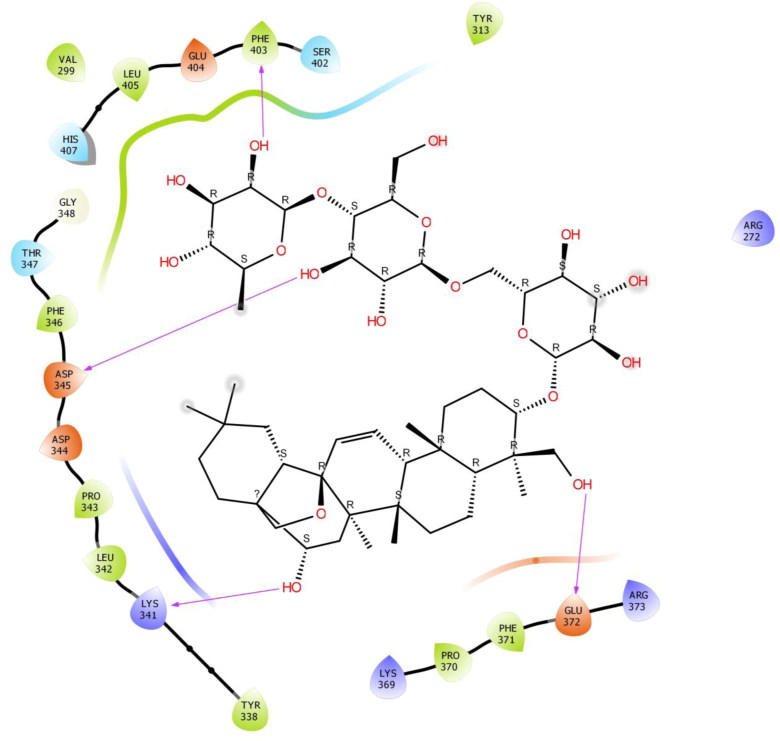
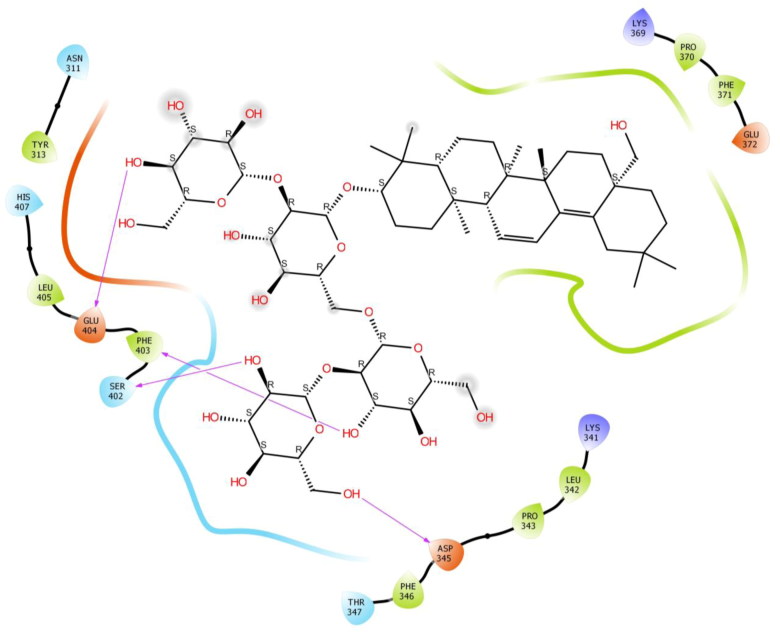
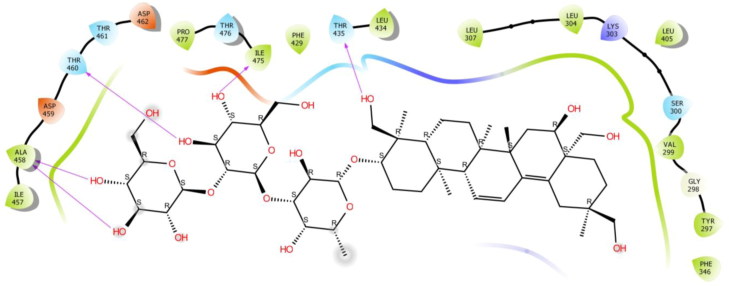
The Public Health Emergency of International Concern declared the widespread outbreak of SARS-CoV-2 as a global pandemic emergency, which has resulted in 1,773,086 confirmed cases including 111,652 human deaths, as on 13 April 2020, as reported to World Health Organization. As of now, there are no vaccines or antiviral drugs declared to be officially useful against the infection. Saikosaponin is a group of oleanane derivatives reported in Chinese medicinal plants and are described for their anti-viral, anti-tumor, anti-inflammatory, anticonvulsant, antinephritis and hepatoprotective activities. They have also been known to have anti-coronaviral property by interfering the early stage of viral replication including absorption and penetration of the virus. Thus, the present study was undertaken to screen and evaluate the potency of different Saikosaponins against different sets of SARS-CoV-2 binding protein via computational molecular docking simulations. Docking was carried out on a Glide module of Schrodinger Maestro 2018-1 MM Share Version on NSP15 (PDB ID: 6W01) and Prefusion 2019-nCoV spike glycoprotein (PDB ID: 6VSB) from SARS-CoV-2. From the binding energy and interaction studies, the Saikosaponins U and V showed the best affinity towards both the proteins suggesting them to be future research molecule as they mark the desire interaction with NSP15, which is responsible for replication of RNA and also with 2019-nCoV spike glycoprotein which manage the connection with ACE2. [Formula: see text] Communicated by Ramaswamy H. Sarma.
Keywords: 2019-nCoV; 6VSB; 6W01; Corona virus; In-silico; Saikosaponins; Traditional Chinese Medicine; molecular docking; virtual screening.
Figures
References
-
- Xu X., Chen P., Wang J., Feng J., Zhou H., Li X., Zhong W., & Hao P. (2020). Evolution of the novel coronavirus from the ongoing Wuhan outbreak and modeling of its spike protein for risk of human transmission. Science China Life Sciences, 63(3), 457–460. 10.1007/s11427020-1637-5 - DOI - PMC - PubMed
MeSH terms
Substances
LinkOut - more resources
Full Text Sources
Other Literature Sources
Medical
Research Materials
Miscellaneous