


The Interplay among miRNAs, Major Cytokines, and Cancer-Related Inflammation
- PMID: 32348938
- PMCID: PMC7191126
- DOI: 10.1016/j.omtn.2020.04.002
The Interplay among miRNAs, Major Cytokines, and Cancer-Related Inflammation
Abstract
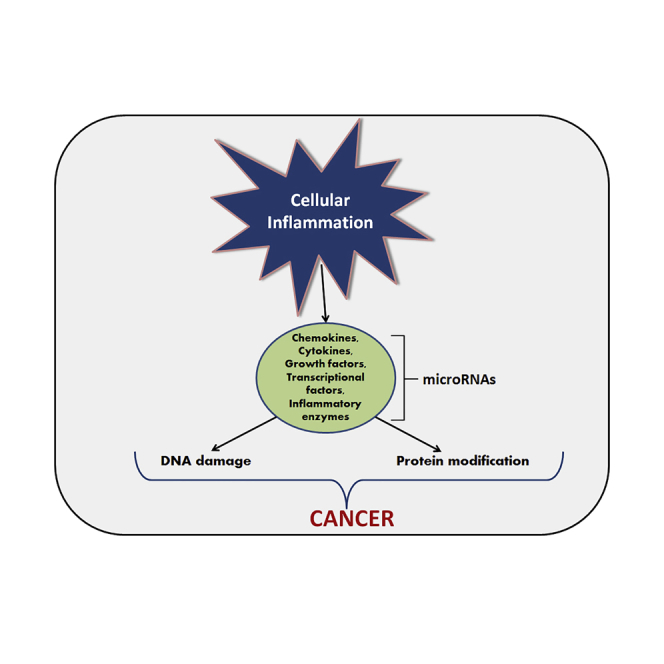
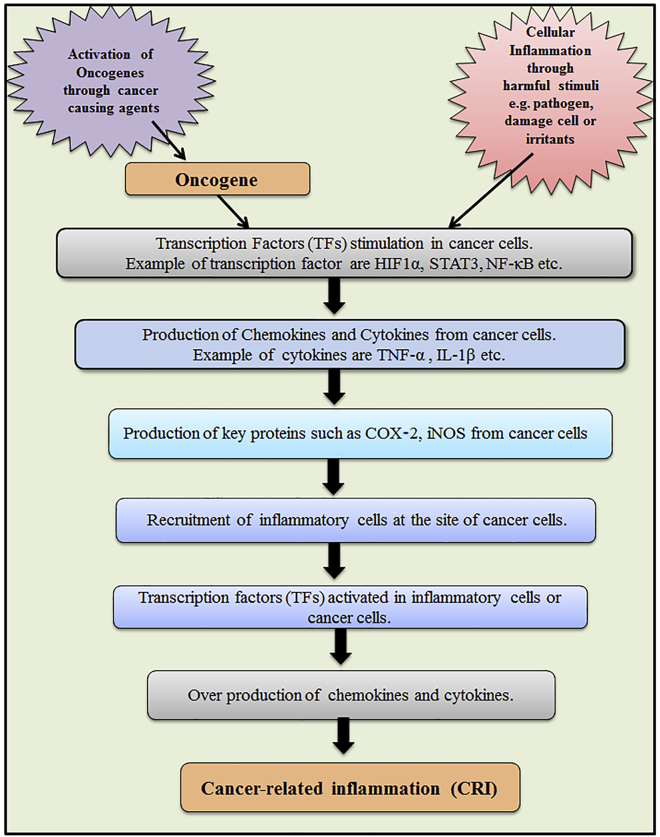
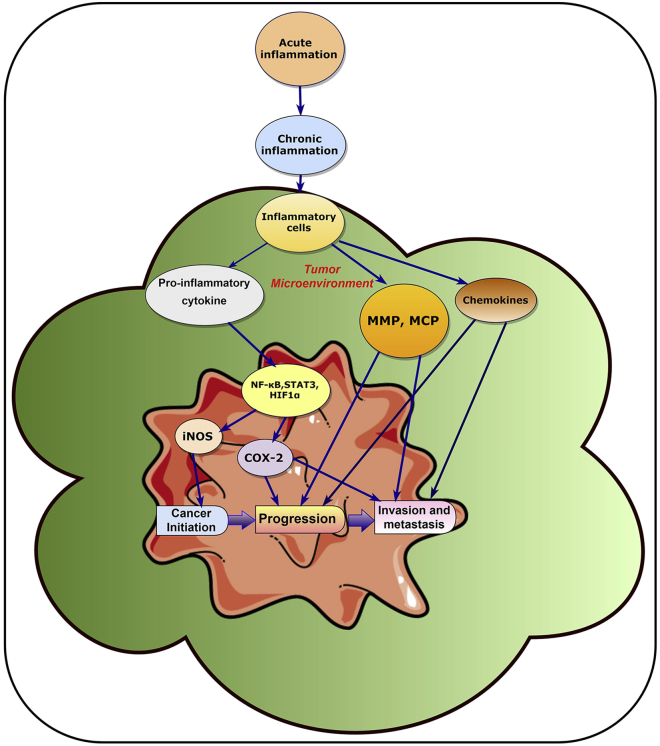
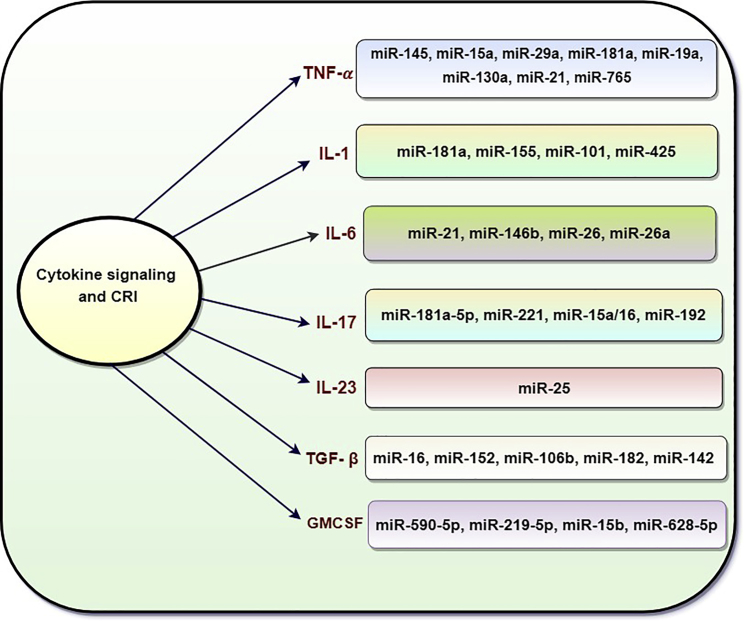
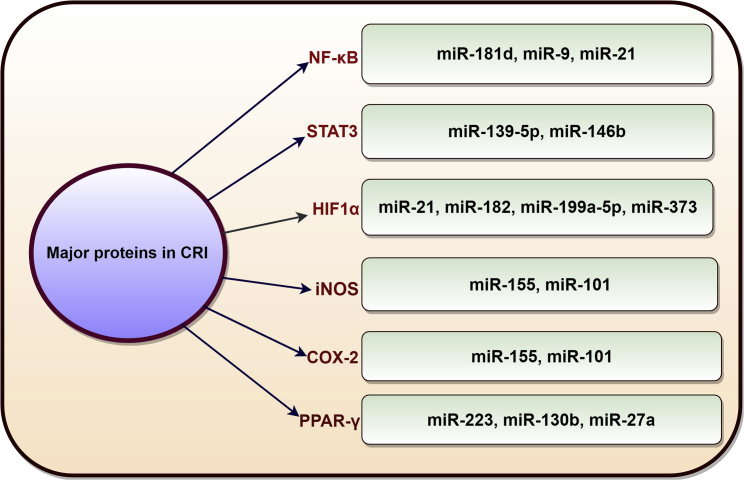
Inflammation is closely related with the progression of cancer and is an indispensable component that orchestrates the tumor microenvironment. Studies suggest that different mediator and cellular effectors, including cytokines (interleukins, tumor necrosis factor-α [TNF-α], transforming growth factor-β [TGF-β], and granulocyte macrophage colony-stimulating factor [GM-CSF]), chemokines, as well as some transcription factors (nuclear factor κB [NF-κB], signal transducer and activator of transcription 3 [STAT3], hypoxia-inducible factor-1α [HIF1α]), play a crucial role during cancer-related inflammation (CRI). MicroRNAs (miRNAs) are the key components of cellular physiology. They play notable roles during posttranscriptional gene regulation and, thus, might have a potential role in controlling the inflammatory cascade during cancer progression. Taking into consideration the role identified for miRNAs in relation to inflammatory cytokines, we have tried to review their participation in neoplastic progression. Additionally, the involvement of miRNAs with some important transcription factors (NF-κB, STAT3, HIF1α) and proteins (cyclooxygenase-2 [COX-2], inducible nitric oxide synthase [iNOS]) closely associated with inflammation during cancer has also been discussed. A clear insight into the responsibility of miRNAs in cytokine signaling and inflammation related to CRI could project them as new therapeutic molecules, which could lead to improved treatment of CRI in the near future.
Keywords: cancer; cytokines; inflammation; miRNA; tumor microenvironment.
Copyright © 2020 The Author(s). Published by Elsevier Inc. All rights reserved.
Figures
References
-
- Bray F., Ferlay J., Soerjomataram I., Siegel R.L., Torre L.A., Jemal A. Global cancer statistics 2018: GLOBOCAN estimates of incidence and mortality worldwide for 36 cancers in 185 countries. CA Cancer J. Clin. 2018;68:394–424. - PubMed
-
- Siegel R.L., Miller K.D., Jemal A. Cancer statistics, 2019. CA Cancer J. Clin. 2019;69:7–34. - PubMed
-
- Balkwill F., Mantovani A. Inflammation and cancer: back to Virchow? Lancet. 2001;357:539–545. - PubMed
-
- Mantovani A., Allavena P., Sica A., Balkwill F. Cancer-related inflammation. Nature. 2008;454:436–444. - PubMed
Publication types
LinkOut - more resources
Full Text Sources
Research Materials
Miscellaneous
