


The PRECISE (PREgnancy Care Integrating translational Science, Everywhere) database: open-access data collection in maternal and newborn health
- PMID: 32354365
- PMCID: PMC7191679
- DOI: 10.1186/s12978-020-0873-8
The PRECISE (PREgnancy Care Integrating translational Science, Everywhere) database: open-access data collection in maternal and newborn health
Abstract
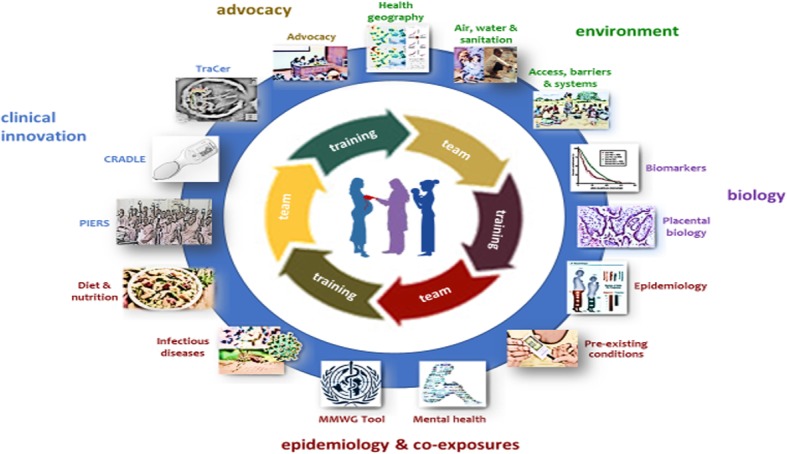
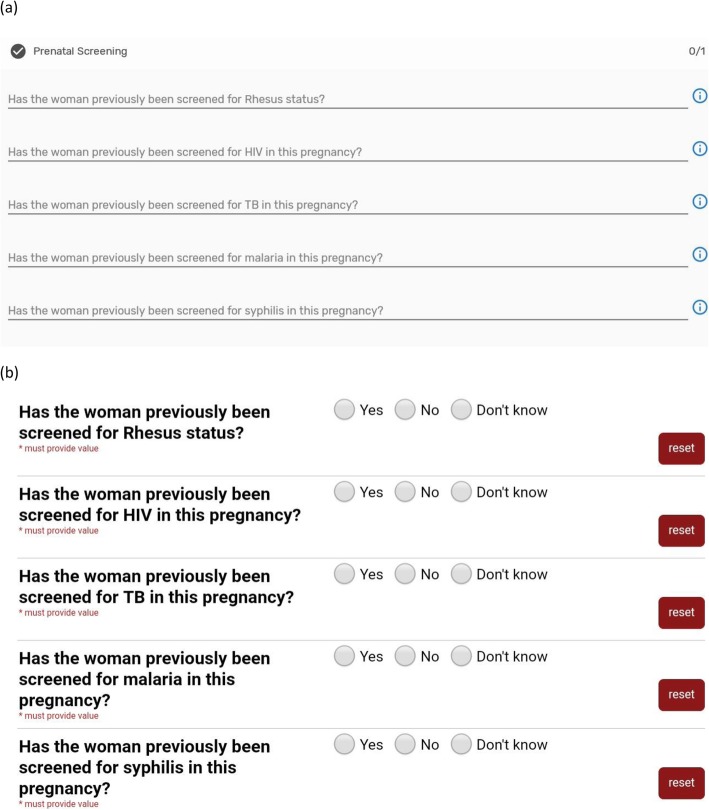
In less-resourced settings, adverse pregnancy outcome rates are unacceptably high. To effect improvement, we need accurate epidemiological data about rates of death and morbidity, as well as social determinants of health and processes of care, and from each country (or region) to contextualise strategies. The PRECISE database is a unique core infrastructure of a generic, unified data collection platform. It is built on previous work in data harmonisation, outcome and data field standardisation, open-access software (District Health Information System 2 and the Baobab Laboratory Information Management System), and clinical research networks. The database contains globally-recommended indicators included in Health Management Information System recording and reporting forms. It comprises key outcomes (maternal and perinatal death), life-saving interventions (Human Immunodeficiency Virus testing, blood pressure measurement, iron therapy, uterotonic use after delivery, postpartum maternal assessment within 48 h of birth, and newborn resuscitation, immediate skin-to-skin contact, and immediate drying), and an additional 17 core administrative variables for the mother and babies. In addition, the database has a suite of additional modules for 'deep phenotyping' based on established tools. These include social determinants of health (including socioeconomic status, nutrition and the environment), maternal co-morbidities, mental health, violence against women and health systems. The database has the potential to enable future high-quality epidemiological research integrated with clinical care and discovery bioscience.
Keywords: DHIS2; Open-source; Placental disorders; Pregnancy; eRegistry.
Conflict of interest statement
The PRECISE database was designed by the authors. The authors do not hold any financial interests (institutional or personal) related to the use of the PRECISE database. Completed disclosure of interest forms are available to view online as supporting documentation.
Figures
References
-
- Alkema L, Chou D, Hogan D, Zhang S, Moller AB, Gemmill A, et al. Global, regional, and national levels and trends in maternal mortality between 1990 and 2015, with scenario-based projections to 2030: a systematic analysis by the UN maternal mortality estimation inter-agency group. Lancet. 2016;387(10017):462–474. - PMC - PubMed
-
- Blencowe H, Cousens S, Jassir FB, Say L, Chou D, Mathers C, et al. National, regional, and worldwide estimates of stillbirth rates in 2015, with trends from 2000: a systematic analysis. Lancet Glob Health. 2016;4(2):e98–e108. - PubMed
-
- World Health Organization . Global health observatory data. 2017.
-
- Evaluating the quality of care for severe pregnancy complications - the WHO near-miss approach for maternal health; 2011. https://www.who.int/reproductivehealth/publications/monitoring/978924150.... Accessed 20 Mar 2019.
MeSH terms
Grants and funding
LinkOut - more resources
Full Text Sources
