


doi: 10.1016/j.toxicon.2020.04.105.
Epub 2020 Apr 30.
Bee venom and SARS-CoV-2
Affiliations
- PMID: 32360140
- PMCID: PMC7190514
- DOI: 10.1016/j.toxicon.2020.04.105
Item in Clipboard
Bee venom and SARS-CoV-2
Toxicon.
.
No abstract available
Conflict of interest statement
Declaration of competing interest The authors have no conflicts of interest to declare. The survey data of beekeepers in Hubei province were provided by professor Fu-liang Hu, an expert of apiology. Dr. Xu gave me a lot of support on my task of the prevention and control of coronavirus.
Figures
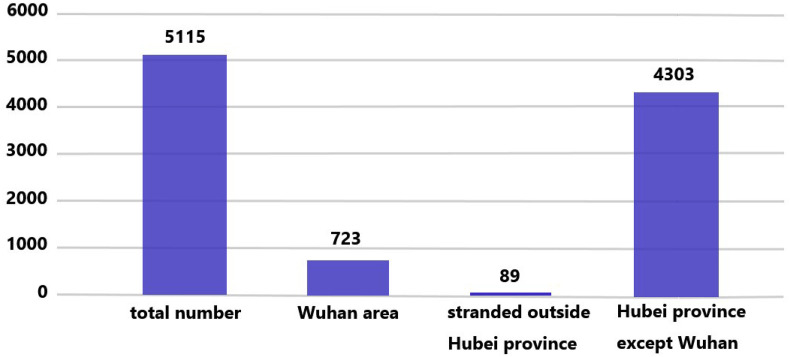
Investigation histogram of beekeepers in Hubei.
References
-
- Bennett M., Baxby D. Cowpox. J Med Microbiol. 1996 Sep;45(3):157–158. - PubMed
-
- Caramalho I., Melo A., Pedro E., Barbosa M.M., Victorino R.M., Pereira Santos M.C., Sousa A.E. Bee venom enhances the differentiation of human regulatory T cells. Allergy. 2015 Oct;70(10) 1340-1345.6. - PubMed
-
- Chen J., Lau Y.F., Lamirande E.W., Paddock C.D., Bartlett J.H., Zaki S.R., Subbarao K. Cellular immune responses to severe acute respiratory syndrome coronavirus (SARS-CoV) infection in senescent BALB/c mice: CD4+ T cells are important in control of SARS-CoV infection. J. Virol. 2010 Feb;84(3):1289–1301. - PMC - PubMed
-
- Cherniack E.P., Govorushko S. To bee or not to bee: the potential efficacy and safety of bee venom acupuncture in humans. Toxicon. 2018 Nov;154:74–78. - PubMed
-
- Park H.S., Lee J.H. Granulomatous inflammation induced by bee sting. JAMA Ophthalmol. 2016 Aug 11;134(8) - PubMed
Publication types
MeSH terms
Substances
LinkOut - more resources
Full Text Sources
Miscellaneous
