


Geospatial Variations and Neighborhood Deprivation in Drug-Related Admissions and Overdoses
- PMID: 32367203
- PMCID: PMC7704893
- DOI: 10.1007/s11524-020-00436-8
Geospatial Variations and Neighborhood Deprivation in Drug-Related Admissions and Overdoses
Abstract
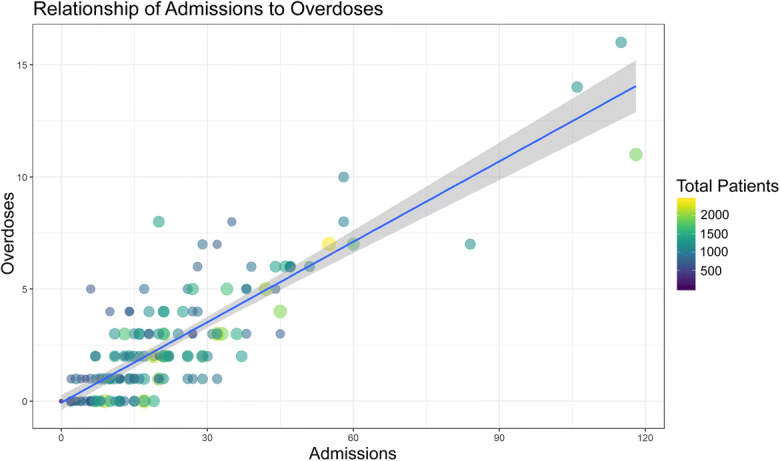
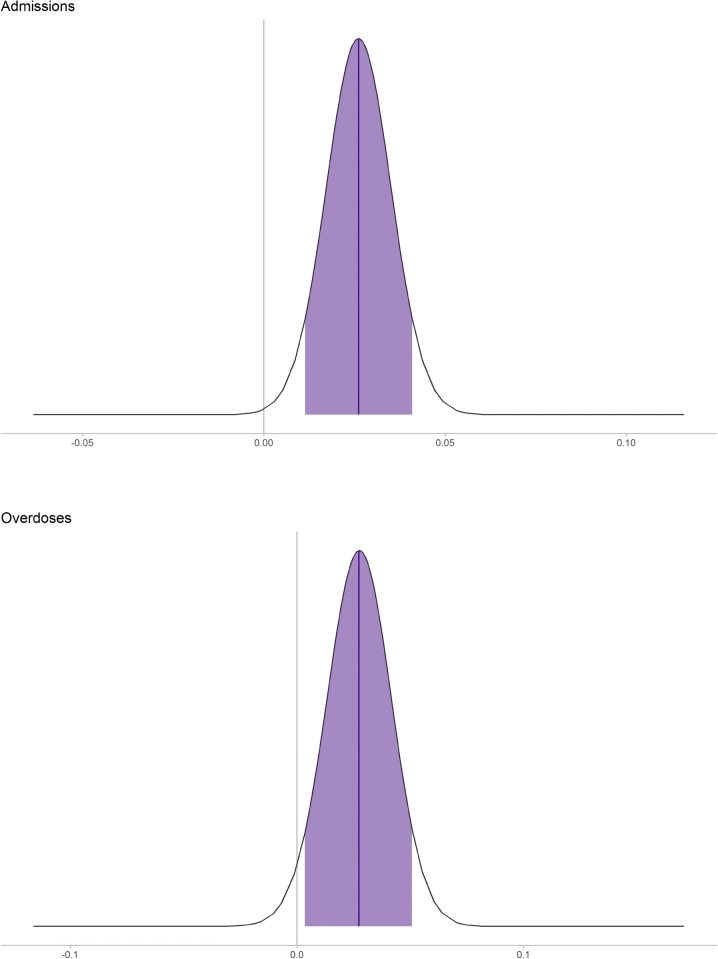
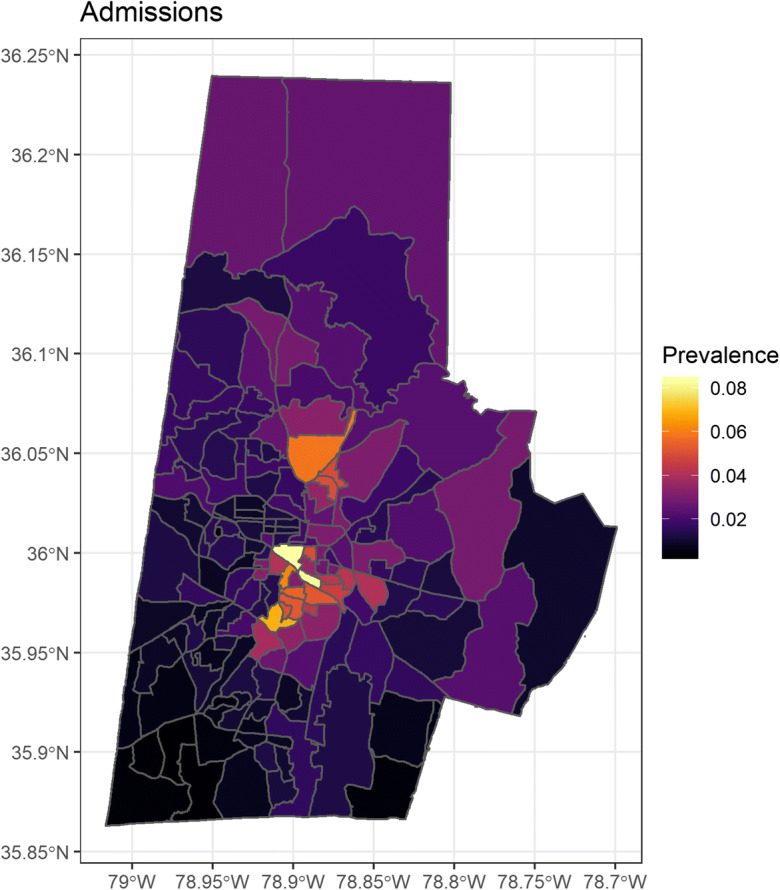
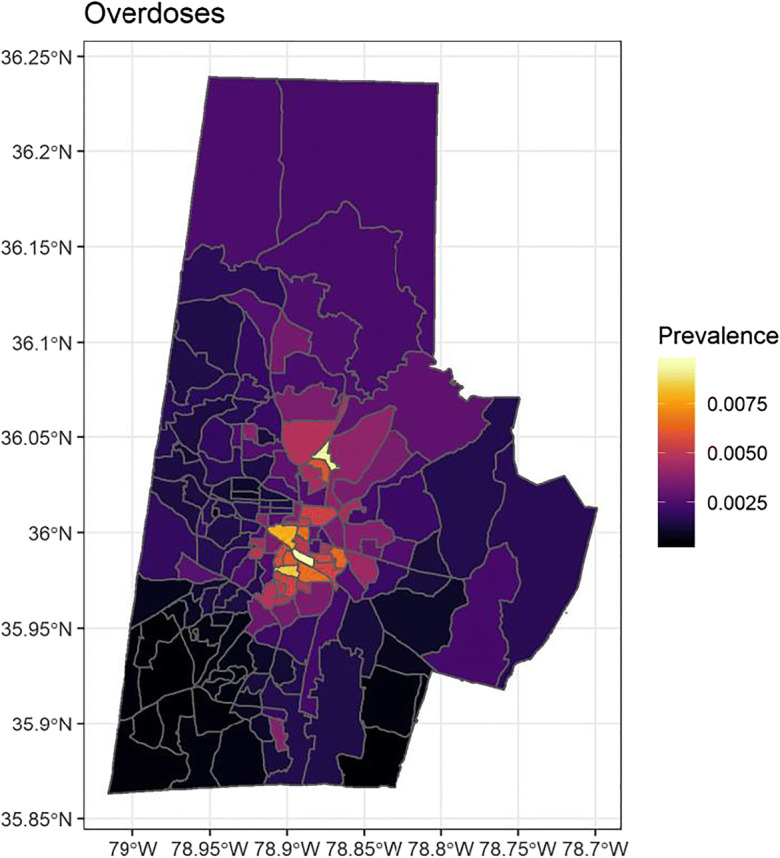
Drug overdoses are a national and global epidemic. However, while overdoses are inextricably linked to social, demographic, and geographical determinants, geospatial patterns of drug-related admissions and overdoses at the neighborhood level remain poorly studied. The objective of this paper is to investigate spatial distributions of patients admitted for drug-related admissions and overdoses from a large, urban, tertiary care center using electronic health record data. Additionally, these spatial distributions were adjusted for a validated socioeconomic index called the Area Deprivation Index (ADI). We showed spatial heterogeneity in patients admitted for opioid, amphetamine, and psychostimulant-related diagnoses and overdoses. While ADI was associated with drug-related admissions, it did not correct for spatial variations and could not account alone for this spatial heterogeneity.
Keywords: Area deprivation; Drug overdoses; Epidemiology; Opioid epidemic; Socioeconomics.
Figures
References
-
- Garfield J. E D: fatal overdose trends in major us cities: 1990–1997. Addiction Research & Thery. 2001;9(5):425–436. doi: 10.3109/16066350109141762. - DOI
-
- Dasgupta N, Jonsson Funk M, Brownstein J. Comparing unintentional opioid poisoning mortality in metropolitan and non-metropolitan counties, United States, 1999–2003. In: Thomas Y, Richardson D, Cheung I, editors. Geography and drug addiction. New York: Springer; 2008.
