


A single-center, retrospective study of COVID-19 features in children: a descriptive investigation
- PMID: 32370747
- PMCID: PMC7200209
- DOI: 10.1186/s12916-020-01596-9
A single-center, retrospective study of COVID-19 features in children: a descriptive investigation
Abstract
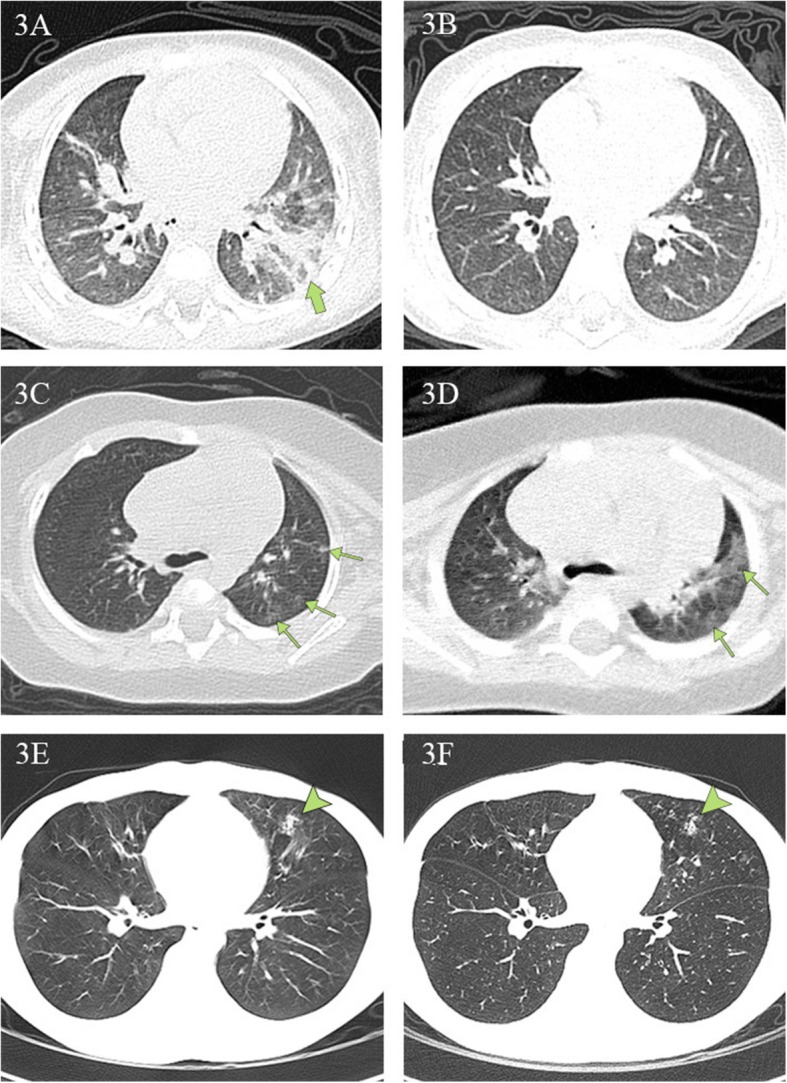
Background: Compared to adults, there are relatively few studies on COVID-19 infection in children, and even less focusing on the unique features of COVID-19 in children in terms of laboratory findings, locations of computerized tomography (CT) lesions, and the role of CT in evaluating clinical recovery. The objective of this study is to report the results from patients at Wuhan Children's Hospital, located within the initial center of the outbreak.
Methods: Clinical, imaging, and laboratory data of 76 children were collected retrospectively and analyzed with the Fisher exact test and Cox regression statistical methods.
Results: Among 50 children with a positive COVID-19 real-time reverse-transcriptase polymerase chain reaction (PCR), five had negative PCR results initially but showed positive results in subsequent tests. Eight (16%) patients had lymphopenia, seven (14%) with thrombocytopenia, four (8%) with lymphocytosis, two (4%) with thrombocytosis, ten (20%) with elevated C-reactive protein, four (8%) with hemoglobin above, and six (12%) with below standard reference values. Seven (14%) of the 50 had no radiologic evidence of disease on chest CT. For the 43 patients who had abnormal CT findings, in addition to previously reported patterns of ground-glass opacity (67%), local patchy shadowing (37%), local bilateral patchy shadowing (21%), and lesion location of lower lobes (65%), other CT features include that an overwhelming number of pediatric patients had lesions in the subpleural area (95%) and 22 of the 28 lower lobe lesions were in the posterior segment (78%). Lesions in most of the 15 patients (67%) who received chest CT at discharge were not completely absorbed, and 26% of these pediatric patients had CT lesions that were either unchanged or worse.
Conclusions: There were a few differences between COVID-19 children and COVID-19 adults in terms of laboratory findings and CT characteristics. CT is a powerful tool to detect and characterize COVID-19 pneumonia but has little utility in evaluating clinical recovery for children. These results oppose current COVID-19 hospital discharge criteria in China, as one requirement is that pulmonary imaging must show significant lesion absorption prior to discharge. These differences between pediatric and adult cases of COVID-19 may necessitate pediatric-specific discharge criteria.
Keywords: COVID-19; Children; Clinical features; Computerized tomography; Coronavirus; Epidemiology; Pediatric; SARS-CoV-2.
Conflict of interest statement
The authors declare that they have no competing interests.
Figures


References
-
- Paules CI, Marston HD, Fauci AS. Coronavirus infections—more than just the common cold. JAMA. 2020. 10.1001/jama.2020.0757. - PubMed
MeSH terms
LinkOut - more resources
Full Text Sources
Research Materials
Miscellaneous
