


Rhabdomyolysis as a Presentation of 2019 Novel Coronavirus Disease
- PMID: 32382463
- PMCID: PMC7202588
- DOI: 10.7759/cureus.7561
Rhabdomyolysis as a Presentation of 2019 Novel Coronavirus Disease
Abstract
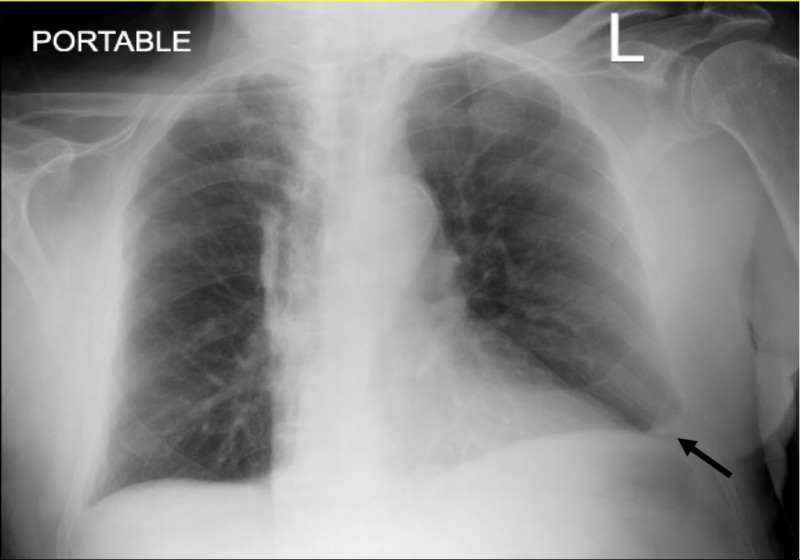
An emerging viral infection is a global public health challenge. The development of modern, fast, and extensive transportation makes the outbreak hard to contain. Everyone is at risk, and the outbreak can rapidly turn into a pandemic crisis, like what we are currently facing for the 2019 novel coronavirus disease (COVID-19). Prompt diagnosis of the case is required to improve patients' prognosis and control of the outbreak. The common manifestations of COVID-19 include fever, cough, dyspnea, and malaise. However, patients may present with atypical symptoms that pose a diagnostic challenge. We report the first case of an elderly male who presented with rhabdomyolysis and later was diagnosed with COVID-19. Clinicians should be aware that rhabdomyolysis can be an initial presentation of COVID-19 or can occur at any time during the disease course. Patients with rhabdomyolysis should receive aggressive fluid administration to prevent acute kidney injury (AKI). However, COVID-19 patients are at risk of worsening oxygenation and acute hypoxemic respiratory failure from fluid overload. Therefore, cautious fluid administration is needed in COVID-19 patients with rhabdomyolysis.
Keywords: ards; case report; corona virus; covid-19; covid-2019; novel corona virus; rhabdomyolysis.
Copyright © 2020, Suwanwongse et al.
Conflict of interest statement
The authors have declared that no competing interests exist.
Figures

References
Publication types
LinkOut - more resources
Full Text Sources