


Experience with Parent Follow-Up for Communication Outcomes after Newborn Screening Identifies Carrier Status
- PMID: 32386871
- PMCID: PMC7483722
- DOI: 10.1016/j.jpeds.2020.03.027
Experience with Parent Follow-Up for Communication Outcomes after Newborn Screening Identifies Carrier Status
Abstract
Objective: To conduct interviews with a multiyear sample of parents of infants found to have heterozygous status for sickle cell hemoglobinopathy or cystic fibrosis during newborn blood screening (NBS).
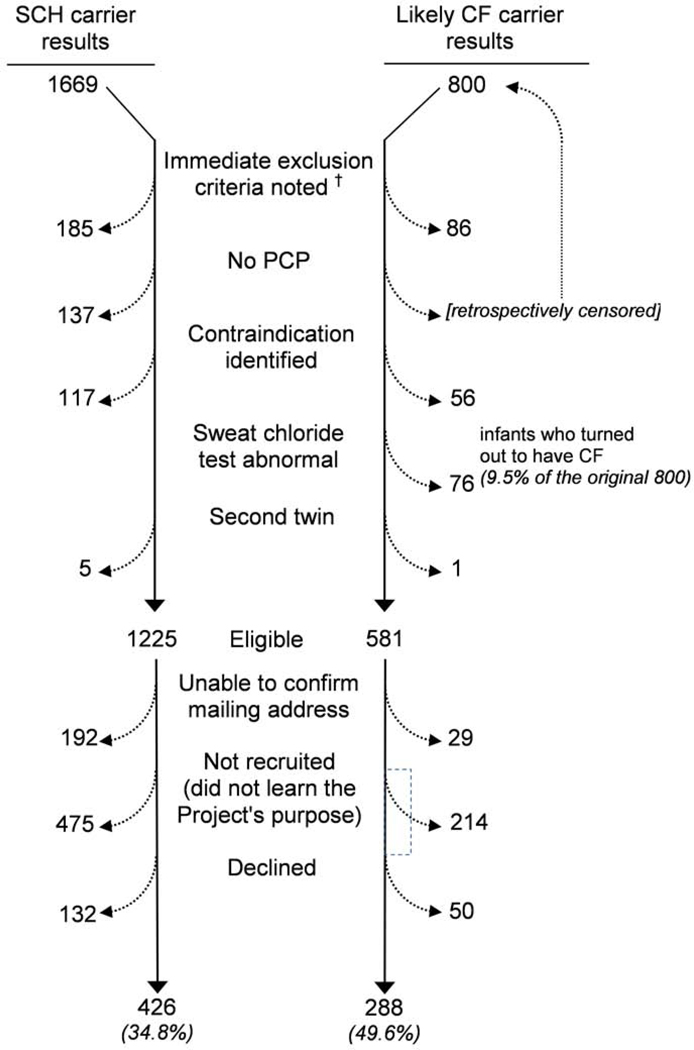
Study design: Interviewers with clinical backgrounds telephoned parents, and followed a structured script that blended follow-up and research purposes. Recruiting followed several steps to minimize recruiting bias as much as possible for a NBS study.
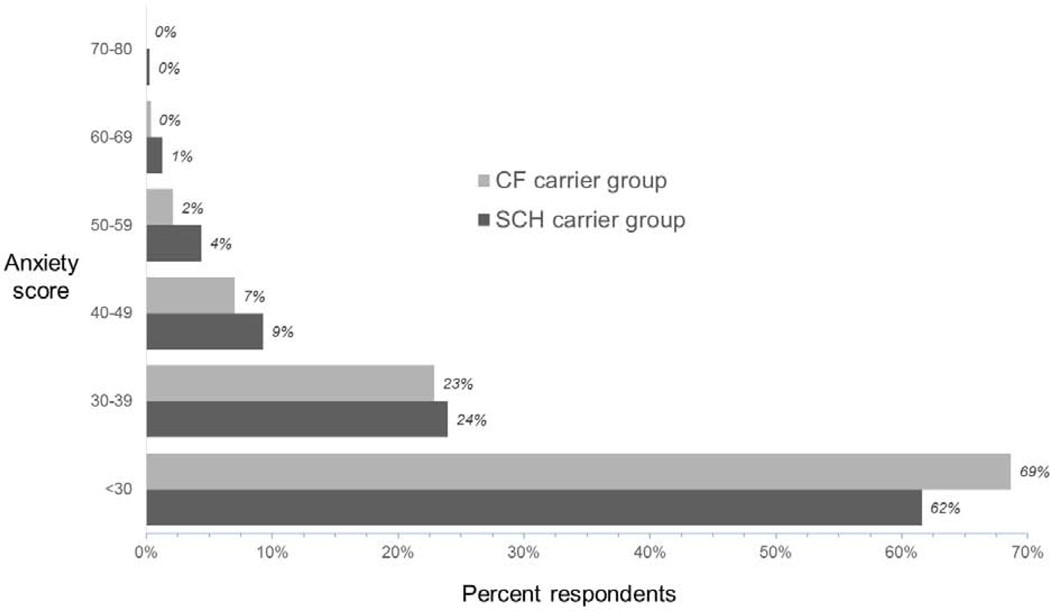
Results: Follow-up calls were conducted with parents of 426 infant carriers of sickle cell hemoglobinopathy, and 288 parents of cystic fibrosis carriers (34.8% and 49.6% of those eligible). Among these, 27.5% and 7.8% had no recollection of being informed of NBS results. Of those who recalled a provider explanation, 8.6% and 13.0% appraised the explanation negatively. Overall, 7.4% and 13.2% were dissatisfied with the experience of learning about the NSB result. Mean anxiety levels were low but higher in the sickle cell hemoglobinopathy group (P < .001). Misconceptions that the infant might get the disease were present in 27.5% and 7.8% of parents (despite zero actual risk for disease). Several of these data were significantly predicted by NBS result, health literacy, parental age, and race/ethnicity factors.
Conclusions: Patient-centered public health follow-up can be effective after NBS identifies carrier status. Psychosocial complications were uncommon, but harms were substantial enough to justify mitigation.
Keywords: communication; cystic fibrosis; genetic screening; incidental findings; newborn screening; sickle cell hemoglobinopathy.
Copyright © 2020 Elsevier Inc. All rights reserved.
Figures
Comment in
-
The Harms of Carrier Status Identification: A Cautionary Warning Against Newborn Sequencing.J Pediatr. 2020 Sep;224:22-23. doi: 10.1016/j.jpeds.2020.05.014. Epub 2020 May 15. J Pediatr. 2020. PMID: 32417254 No abstract available.
References
-
- Mischler EH, Wilfond BS, Fost N, Laxova A, Reiser C, Sauer CM, et al. Cystic fibrosis newborn screening: impact on reproductive behavior and implications for genetic counseling. Pediatrics. 1998;102:44–52. - PubMed
-
- Ciske DJ, Haavisto A, Laxova A, Rock LZ, Farrell PM. Genetic counseling and neonatal screening for cystic fibrosis: an assessment of the communication process. Pediatrics. 2001;107:699–705. - PubMed
-
- Gurian EA, Kinnamon DD, Henry JJ, Waisbren SE. Expanded newborn screening for biochemical disorders: the effect of a false-positive result. Pediatrics. 2006;117:1915–21. - PubMed
-
- Morrison DR, Clayton EW. False positive newborn screening results are not always benign. Public Health Genomics. 2011;14:173–7. - PubMed
Publication types
MeSH terms
Grants and funding
LinkOut - more resources
Full Text Sources
Medical
Research Materials
Miscellaneous
