Analysis of Psychological and Sleep Status and Exercise Rehabilitation of Front-Line Clinical Staff in the Fight Against COVID-19 in China
- PMID: 32389999
- PMCID: PMC7241216
- DOI: 10.12659/MSMBR.924085
Analysis of Psychological and Sleep Status and Exercise Rehabilitation of Front-Line Clinical Staff in the Fight Against COVID-19 in China
Abstract
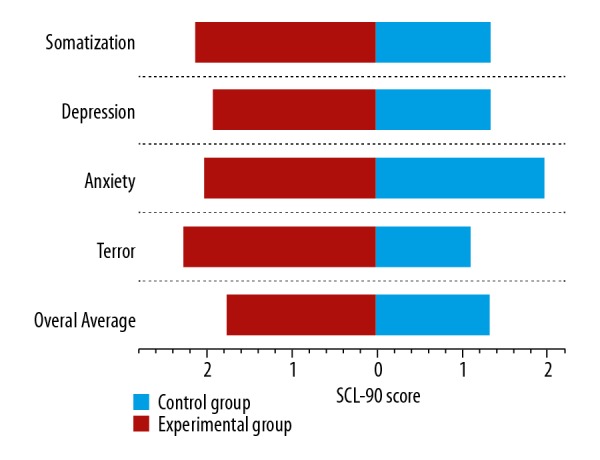
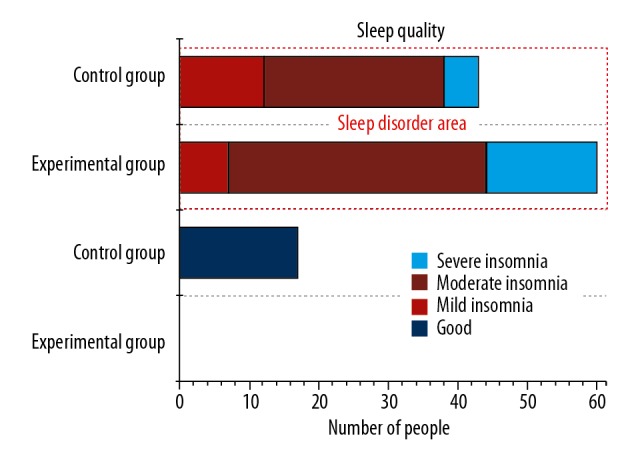
BACKGROUND The aim of this study was to understand the changes in psychological factors and sleep status of front-line medical staff in the fight against COVID-19 and provide evidence of exercise interventions to relieve psychological stress and improve sleep status for medical staff. MATERIAL AND METHODS A survey study was conducted among 120 front-line medical staff in the fight against COVID-19, of which 60 medical staff worked at the designated hospital (experimental group) and 60 medical staff worked at the non-designated hospital (control group). The Symptom Checklist 90 (SCL-90), Self-rating Anxiety Scale (SAS), Self-rating Depression Scale (SDS), and PTSD Checklist-Civilian Version (PCL-C) were used to assess mental status. Sleep status was assessed using the Pittsburgh Sleep Quality Index (PSQI). RESULTS SCL-90 scores of somatization, depression, anxiety, and terror were higher than normal in front-line medical staff at the designated hospital. The SAS (45.89±1.117), SDS (50.13±1.813), and PCL-C (50.13±1.813) scores in the experimental group were higher than the normal control group, and were significantly different from those in the control group on SDS and PCL-C scales (P<0.05). The total average PSQI of the experimental group was 16.07±3.761, indicating that the sleep quality was poor. Among them, participants with moderate insomnia reached 61.67%, and participants with severe insomnia reached 26.67%. CONCLUSIONS There are psychological symptoms and sleep symptoms in front-line medical staff who participate in the fight against COVID-19, and they affect each other. Hospitals should improve emergency management measures, strengthen psychological counseling for clinical front-line medical staff, strengthen exercise intervention, and improve their sleep quality and mental health.
Conflict of interest statement
None.
Figures
References
-
- Derogatis LR, Lipman RS, Covi L. SCL-90: An outpatient psychiatric rating scale – preliminary report. Psychopharmacology Bulletin. 1973;9(1):41–47. - PubMed
-
- Derogatis LR, Rickels K, Rock AF. The SCL-90 and the MMPI: A step in the validation of a new self-report scale. Br J Psychiatry. 1976;128(3):280–89. - PubMed
-
- Holi MM, Sammallahti PR, Aalberg VA. A finnish validation study of the SCL-90. Acta Psychiatr Scand. 1998;97(1):42–46. - PubMed
-
- Zung WK. A self-rating depression scale. Archives of General Psychiatry. 1965;12(1):63–69. - PubMed
MeSH terms
LinkOut - more resources
Full Text Sources
Medical
Research Materials
Miscellaneous