


Sarcoma as Second Cancer in a Childhood Cancer Survivor: Case Report, Large Population Analysis and Literature Review
- PMID: 32392854
- PMCID: PMC7279476
- DOI: 10.3390/medicina56050224
Sarcoma as Second Cancer in a Childhood Cancer Survivor: Case Report, Large Population Analysis and Literature Review
Abstract
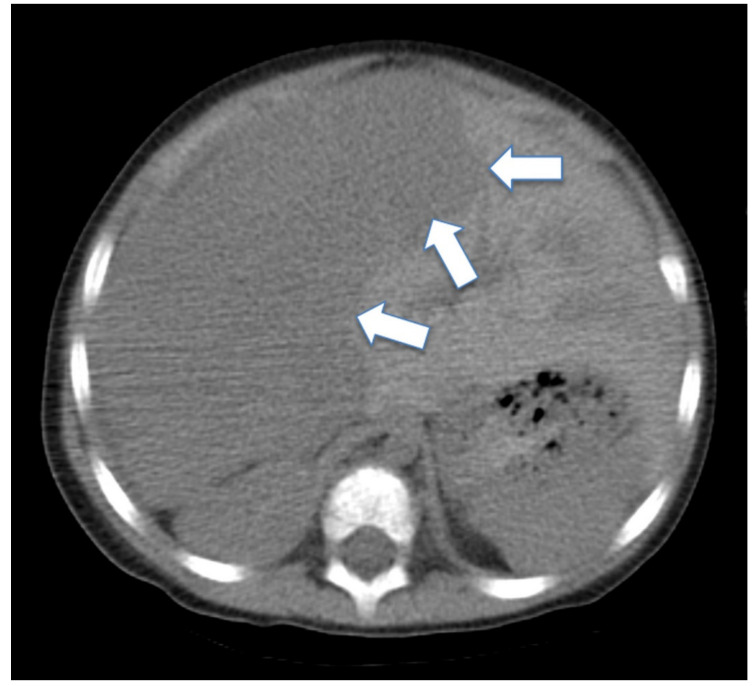
The majority of pediatric patients are cured of their primary cancer with current advanced developments in pediatric cancer therapy. However, survivors often experience long-term complications from therapies for primary cancer. The delayed mortality rate has been decreasing with the effort to reduce the therapeutic exposure of patients with pediatric cancers. Our study investigates the incidence of sarcoma as second cancer in pediatric cancer survivors. We present a 9-year-old male who survived embryonal hepatoblastoma diagnosed at 22 months of age. At 4.5 years of age, he presented with a non-metastatic primitive neuroectodermal tumor (PNET) of the left submandibular area. He has no evidence of recurrence of either cancer for 51 months after finishing all chemotherapy and radiotherapy. We used the Surveillance, Epidemiology, and End Results (SEER) database to identify the current rate of second sarcomas in pediatric cancer survivors. Our literature review and large population analysis emphasize the impact of sarcoma as a second malignancy and provide help to physicians caring for pediatric cancer survivors.
Keywords: SEER; hepatoblastoma; pediatric; sarcoma; second cancer.
Conflict of interest statement
The authors declare no conflict of interest.
Figures

Comment in
-
In Reply: Comments About Patterns of Prior and Subsequent Neoplasms in Children and Adolescents With Soft Tissue Sarcomas.J Pediatr Hematol Oncol. 2021 Apr 1;43(3):116-117. doi: 10.1097/MPH.0000000000002001. J Pediatr Hematol Oncol. 2021. PMID: 33181584 No abstract available.
References
-
- Perkins J.L., Chen Y., Harris A., Diller L., Stovall M., Armstrong G.T., Yasui Y., Robison L.L., Sklar C.A. Childhood Cancer Survivor Study Infections among long-term survivors of childhood and adolescent cancer: a report from the Childhood Cancer Survivor Study. Cancer. 2014;120:2514–2521. doi: 10.1002/cncr.28763. - DOI - PMC - PubMed
-
- Koh K.-N., Yoo K.H., Im H.J., Sung K.W., Koo H.H., Kim H.S., Han J.W., Yoon J.H., Park H.J., Park B.-K., et al. Characteristics and Outcomes of Second Malignant Neoplasms after Childhood Cancer Treatment: Multi-Center Retrospective Survey. J. Korean Med. Sci. 2016;31:1254–1261. doi: 10.3346/jkms.2016.31.8.1254. - DOI - PMC - PubMed
-
- Ishida Y., Qiu D., Maeda M., Fujimoto J., Kigasawa H., Kobayashi R., Sato M., Okamura J., Yoshinaga S., Rikiishi T., et al. Secondary cancers after a childhood cancer diagnosis: a nationwide hospital-based retrospective cohort study in Japan. Int. J. Clin. Oncol. 2015;21:506–516. doi: 10.1007/s10147-015-0927-z. - DOI - PubMed
-
- Felice M.S., Rossi J.G., Alonso C.N., Rubio P., Gallego M.S., Galluzzo M.L., Lubieniecki F., Gutiérrez G., Guitter M.R., Alderete D.H., et al. Second Neoplasms in Children Following a Treatment for Acute Leukemia and/or Lymphoma. J. Pediatr. Hematol. 2017;39:e406–e412. doi: 10.1097/MPH.0000000000000971. - DOI - PubMed
Publication types
MeSH terms
LinkOut - more resources
Full Text Sources
Medical
