The challenges in colorectal cancer management during COVID-19 epidemic
- PMID: 32395542
- PMCID: PMC7210180
- DOI: 10.21037/atm.2020.03.158
The challenges in colorectal cancer management during COVID-19 epidemic
Abstract
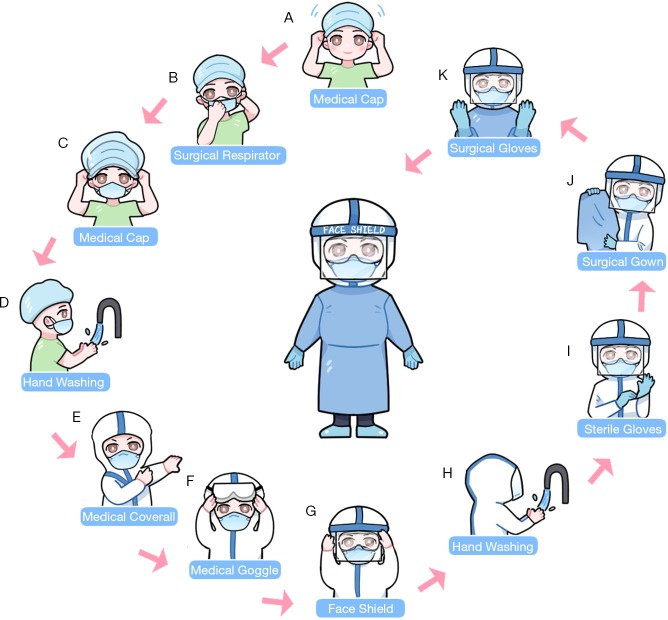
It has been over 2 months since the start of the Coronavirus disease 2019 (COVID-19) outbreak. The epidemic stage of COVID-19 has brought great challenges to the diagnosis and management of colorectal cancer (CRC) patients. Symptoms, such as fever and cough caused by cancer, and the therapeutic process (including chemotherapy and surgery) should be differentiated from some COVID-19 related characteristics. Besides, clinical workers should not only consider the therapeutic strategy for cancer, but also emphasize COVID-19's prevention. Moreover, the detailed therapeutic regimens of CRC patients may be different from the usual. Also, treatment principles may various for CRC patients with or without severe acute respiratory syndrome coronavirus 2 (SARS-CoV-2) infection, as well as patients with or without an emergency presentation. In this paper, we want to discuss the above-mentioned problems based on previous guidelines, the current working status and our experiences, to provide a reference for medical personnel.
Keywords: 2019 novel coronavirus disease (COVID-19); Severe acute respiratory syndrome corona virus 2 (SARS-CoV-2); colorectal cancer (CRC).
2020 Annals of Translational Medicine. All rights reserved.
Conflict of interest statement
Conflicts of Interest: All authors have completed the ICMJE uniform disclosure form (available at http://dx.doi.org/10.21037/atm.2020.03.158). The authors have no conflicts of interest to declare.
Figures


References
Publication types
LinkOut - more resources
Full Text Sources
Miscellaneous