


Multidisciplinary guidance for safe tracheostomy care during the COVID-19 pandemic: the NHS National Patient Safety Improvement Programme (NatPatSIP)
- PMID: 32396986
- PMCID: PMC7272992
- DOI: 10.1111/anae.15120
Multidisciplinary guidance for safe tracheostomy care during the COVID-19 pandemic: the NHS National Patient Safety Improvement Programme (NatPatSIP)
Abstract
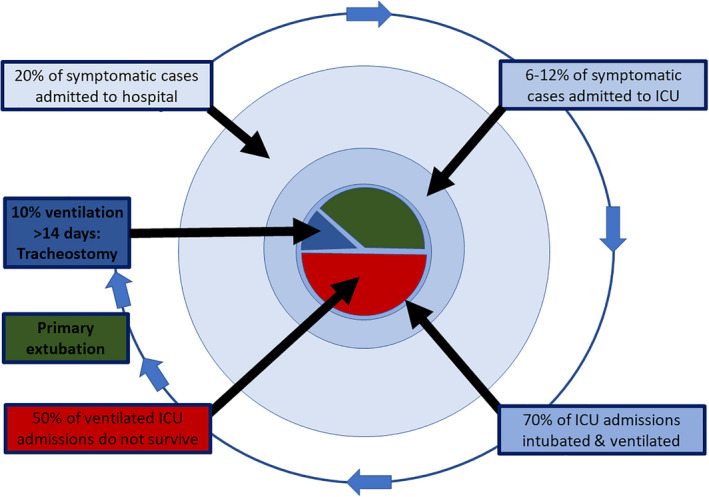
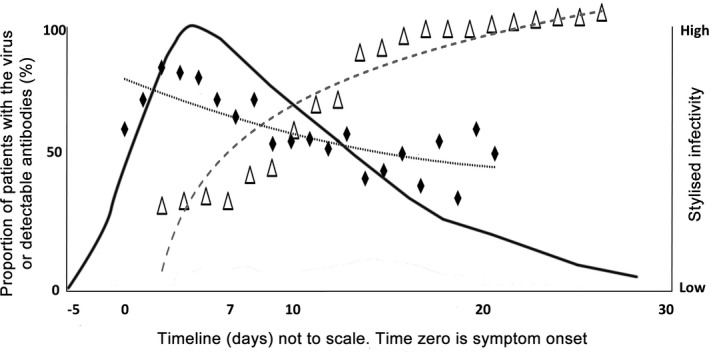
The COVID-19 pandemic is causing a significant increase in the number of patients requiring relatively prolonged invasive mechanical ventilation and an associated surge in patients who need a tracheostomy to facilitate weaning from respiratory support. In parallel, there has been a global increase in guidance from professional bodies representing staff who care for patients with tracheostomies at different points in their acute hospital journey, rehabilitation and recovery. Of concern are the risks to healthcare staff of infection arising from tracheostomy insertion and caring for patients with a tracheostomy. Hospitals are also facing extraordinary demands on critical care services such that many patients who require a tracheostomy will be managed outside established intensive care or head and neck units and cared for by staff with little tracheostomy experience. These concerns led NHS England and NHS Improvement to expedite the National Patient Safety Improvement Programme's 'Safe Tracheostomy Care' workstream as part of the NHS COVID-19 response. Supporting this workstream, UK stakeholder organisations involved in tracheostomy care were invited to develop consensus guidance based on: expert opinion; the best available published literature; and existing multidisciplinary guidelines. Topics with direct relevance for frontline staff were identified. This consensus guidance includes: infectivity of patients with respect to tracheostomy indications and timing; aerosol-generating procedures and risks to staff; insertion procedures; and management following tracheostomy.
Keywords: COVID-19; coronavirus; personal protective equipment; tracheostomy.
© 2020 The Authors. Anaesthesia published by John Wiley & Sons Ltd on behalf of Association of Anaesthetists.
Figures
References
-
- Intensive Care National Audit and Research Centre report on COVID‐19 in critical care. https://www.icnarc.org/Our‐Audit/Audits/Cmp/Reports (accessed 24/04/2020).
-
- Grasselli G, Pesenti A, Cecconi M. Critical care utilization for the COVID‐19 outbreak in Lombardy, Italy: early experience and forecast during an emergency response. Journal of the American Medical Association 2020; 323: 1545–6. - PubMed
Publication types
MeSH terms
LinkOut - more resources
Full Text Sources
Medical
