


What Caused the Outbreak of COVID-19 in China: From the Perspective of Crisis Management
- PMID: 32397199
- PMCID: PMC7246516
- DOI: 10.3390/ijerph17093279
What Caused the Outbreak of COVID-19 in China: From the Perspective of Crisis Management
Abstract
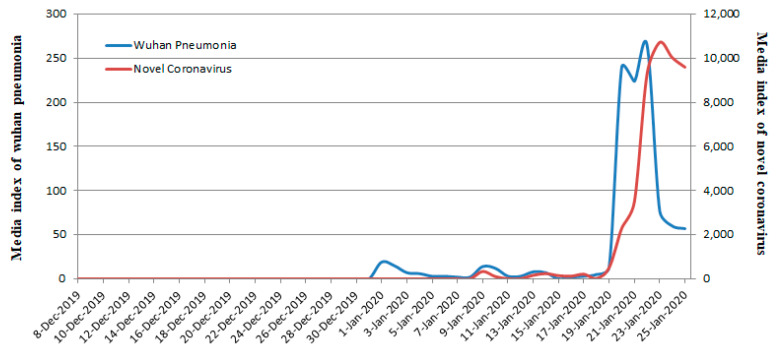
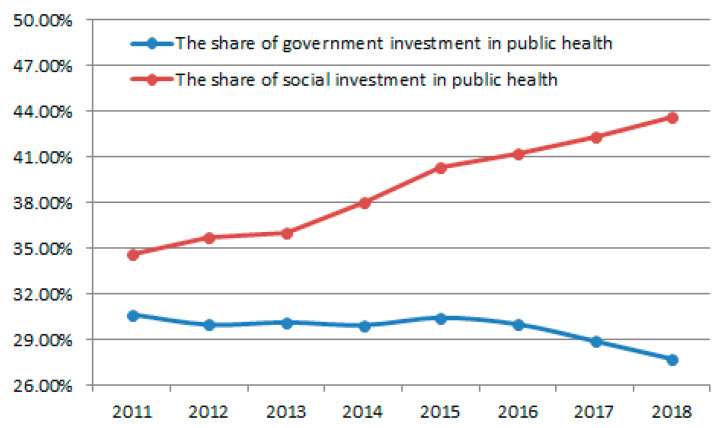
Since the first known case of a COVID-19 infected patient in Wuhan, China on 8 December 2019, COVID-19 has spread to more than 200 countries, causing a worldwide public health crisis. The existing literature fails to examine what caused this sudden outbreak from a crisis management perspective. This article attempts to fill this research gap through analysis of big data, officially released information and other social media sources to understand the root cause of the crisis as it relates to China's current management system and public health policy. The article draws the following conclusions: firstly, strict government control over information was the main reason for the early silencing of media announcements, which directly caused most people to be unprepared and unaware of COVID-19. Secondly, a choice between addressing a virus with an unknown magnitude and nature, and mitigating known public panic during a politically and culturally sensitive time, lead to falsehood and concealment. Thirdly, the weak autonomous management power of local public health management departments is not conducive for providing a timely response to the crisis. Finally, the privatization of many state-owned hospitals led to the unavailability of public health medical resources to serve affected patients in the Wuhan and Hubei Province. This article suggests that China should adopt a Singaporean-style public health crisis information management system to ensure information disclosure and information symmetry and should use it to monitor public health crises in real time. In addition, the central government should adopt the territorial administration model of a public health crisis and increase investment in public health in China.
Keywords: COVID-19; China; big data; crisis management; public health.
Conflict of interest statement
The authors declare no conflict of interest.
Figures
References
-
- Izvorski I., Mahajan S., Moorty L., Vincelette G.A. A Policy Framework for Mitigating the Economic Impact of COVID-19. [(accessed on 20 April 2020)]; Available online: https://www.brookings.edu/blog/future-development/2020/04/20/a-policy-fr...
-
- Hui D.S., I Azhar E., Madani T.A., Ntoumi F., Kock R., Dar O., Ippolito G., Mchugh T.D., Memish Z.A., Drosten C., et al. The continuing 2019-nCoV epidemic threat of novel coronaviruses to global health—The latest 2019 novel coronavirus outbreak in Wuhan, China. Int. J. Infect. Dis. 2020;91:264–266. doi: 10.1016/j.ijid.2020.01.009. - DOI - PMC - PubMed
-
- Gundel S. Towards a new typology of crises. J. Contingencies Crisis Manag. 2005;13:106–115. doi: 10.1111/j.1468-5973.2005.00465.x. - DOI
Publication types
MeSH terms
LinkOut - more resources
Full Text Sources
Miscellaneous
