


Closing the Gap in Global Neurosurgical Education via Online Conference: A Pre-Covid Survey
- PMID: 32399375
- PMCID: PMC7212709
- DOI: 10.7759/cureus.8015
Closing the Gap in Global Neurosurgical Education via Online Conference: A Pre-Covid Survey
Abstract
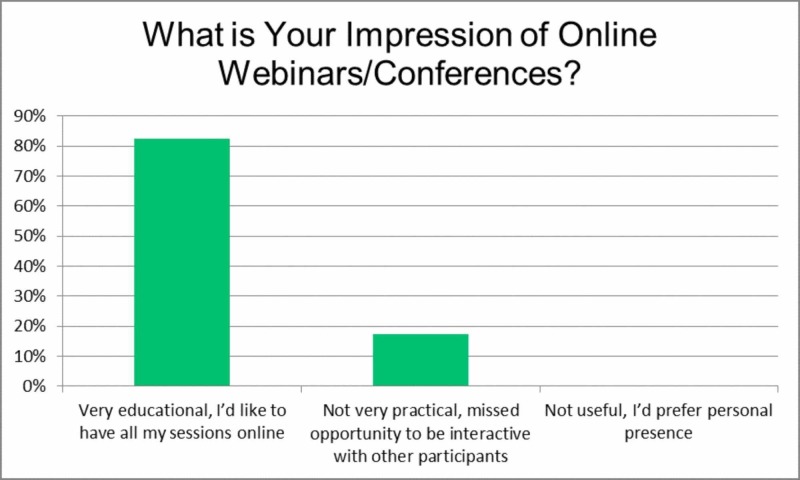
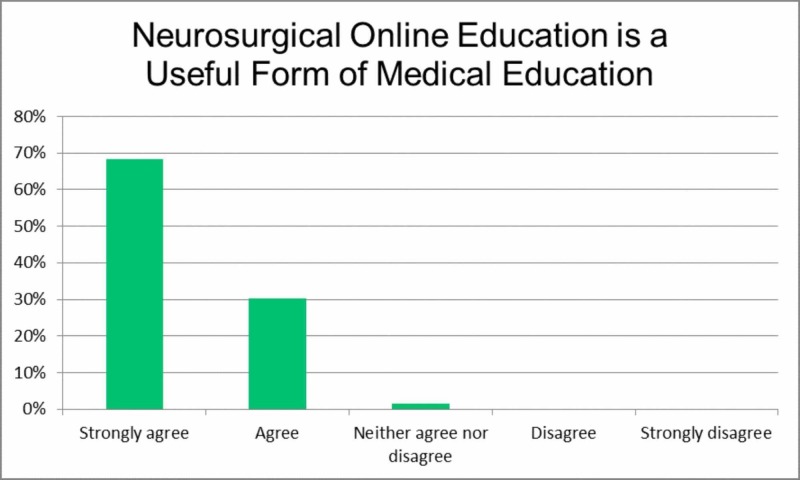
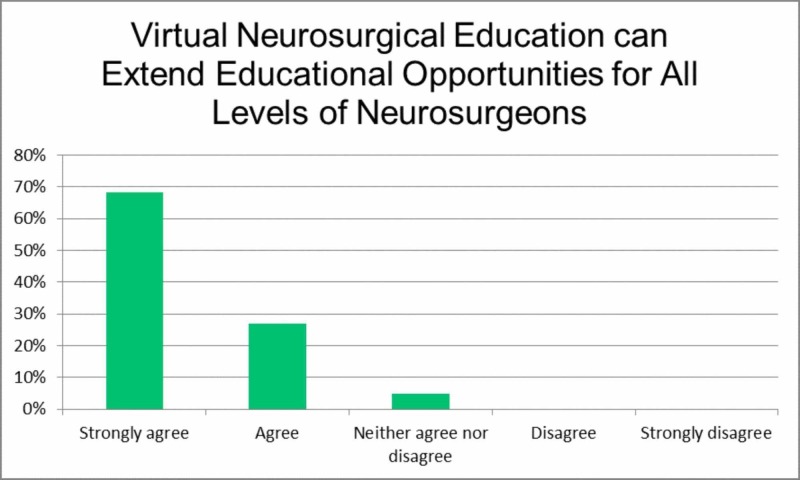
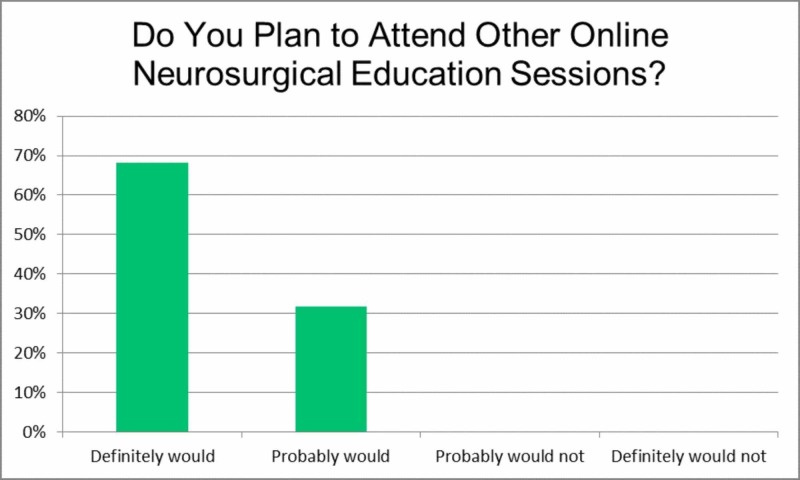
Introduction A reliable network for peer review and feedback can lead to an increase in knowledge and improving patient care. As opportunities to participate in online continuing medical education (CME) increase, there is a reduction in the worldwide knowledge gap often due to a lack of resources to attend conferences and advanced training in person. Methods A total of 64 participants completed a 10-item anonymous online questionnaire to assess how their knowledge and applied practical skills improved by participating in online conferences, and whether this education modality adequately addresses challenges for countries with limited access to conferences or training. Results While an overall positive response toward this mode of neurosurgical education was expected, interesting insights were gained from the short-answer section, demonstrating a direct influence on clinical practice through online conference participation. Conclusion While limited in size, the study results support the expectation of a positive attitude toward neurosurgical e-learning, which translates directly to improving patient care and lessening the worldwide gap in neurosurgical education.
Keywords: cme; covid-19; e-learning; medical education; neurosurgery; online education.
Copyright © 2020, Downes et al.
Conflict of interest statement
I am affiliated with an online neurosurgery training and conferencing platform called www.neurosurgical.tv.
Figures



References
-
- Impact of formal continuing medical education: do conferences, workshops, rounds, and other traditional continuing education activities change physician behavior or health care outcomes? [Dec;2020 ];Davis D, O’Brien MAT, Freemantle N, Wolf FM, Mazmanian P, Taylor-Vaisey A. JAMA. 1999 282:867–874. - PubMed
-
- A review of evaluation outcomes of web-based continuing medical education. Curran VR, Fleet L. Med Educ. 2005;39:561–567. - PubMed
-
- Comparison of the instructional efficacy of Internet-based CME with live interactive CME workshops: a randomized controlled trial. Fordis M, King JE, Ballantyne CM, et al. JAMA. 2005;294:1043–1051. - PubMed
LinkOut - more resources
Full Text Sources
Research Materials
Miscellaneous