


Identifying Research Trends and Gaps in the Context of COVID-19
- PMID: 32408679
- PMCID: PMC7277697
- DOI: 10.3390/ijerph17103370
Identifying Research Trends and Gaps in the Context of COVID-19
Abstract
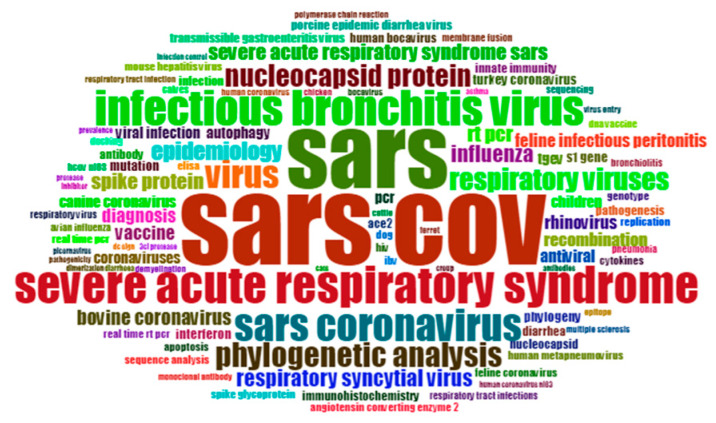
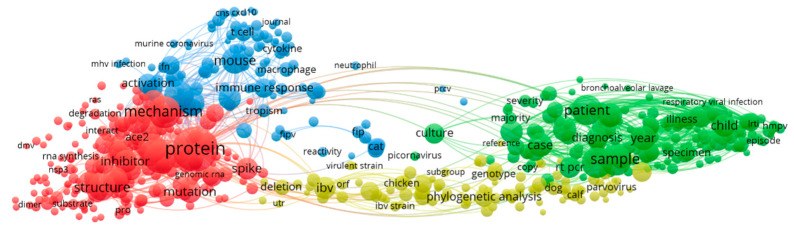
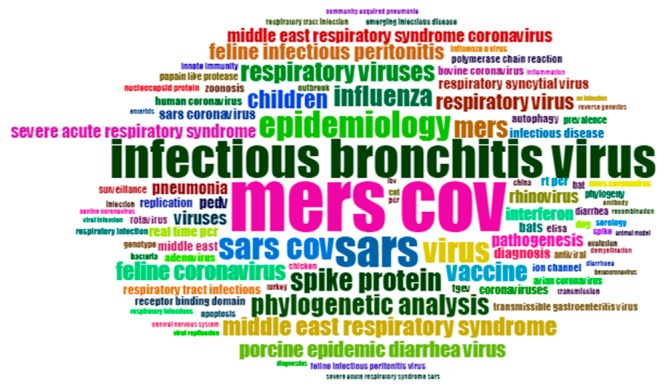
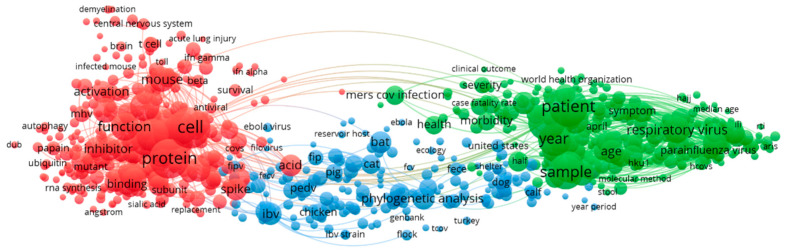
The COVID-19 pandemic has affected the world in different ways. Not only are people's lives and livelihoods affected, but the virus has also affected people's lifestyles. In the research sector, there have been significant changes, and new research is coming very strongly in the related fields of virology and epidemiology. Similar trends were observed after the Severe Acute Respiratory Syndrome Coronavirus (SARS-CoV) and Middle East Respiratory Syndrome Coronavirus (MERS-CoV) episodes of 2003 and 2012, respectively. Analyzing 20 years of published scientific papers, this article points out the highlights of coronavirus-related research. Significant progress is observed in the past research related to virology, epidemiology, infectious diseases among others. However, in research linked to public health, its governance, technology, and risk communication there seem to be gap areas. Although the World Health Organization (WHO) global research road map has identified social science-related research as a priority area, more focus needs to be given in the upcoming days for multi, cross and trans-disciplinary research related to public health and disaster risk reduction.
Keywords: COVID-19; World Health Organization research roadmap; coronavirus research trends; mitigation; public health and disaster risk reduction; public health preparedness; response and recover; social science research.
Conflict of interest statement
The authors declare no conflict of interest.
Figures
References
-
- WHO . COVID 10 Public Health Emergency of International Concern: Global Research and Innovation Forum. WHO; Geneva, Switzerland: 2020. p. 7.
-
- Chan E., Shaw R. Overview of health-EDRM and health issues in DRR: Practices and challenges. In: Chan E., Shaw R., editors. Public Health and Disasters. Springer; Singapore: 2020. pp. 1–6.
MeSH terms
LinkOut - more resources
Full Text Sources
Miscellaneous
