. 2020 May 15;368(6492):eaay5051.
doi: 10.1126/science.aay5051.

De novo protein design enables the precise induction of RSV-neutralizing antibodies

Affiliations

De novo protein design enables the precise induction of RSV-neutralizing antibodies

Fabian Sesterhenn et al. Science. .

Abstract

De novo protein design has been successful in expanding the natural protein repertoire. However, most de novo proteins lack biological function, presenting a major methodological challenge. In vaccinology, the induction of precise antibody responses remains a cornerstone for next-generation vaccines. Here, we present a protein design algorithm called TopoBuilder, with which we engineered epitope-focused immunogens displaying complex structural motifs. In both mice and nonhuman primates, cocktails of three de novo-designed immunogens induced robust neutralizing responses against the respiratory syncytial virus. Furthermore, the immunogens refocused preexisting antibody responses toward defined neutralization epitopes. Overall, our design approach opens the possibility of targeting specific epitopes for the development of vaccines and therapeutic antibodies and, more generally, will be applicable to the design of de novo proteins displaying complex functional motifs.


Conflict of interest statement

Competing interests: B.E.C., F.S., C.Y. and J.B. have filed a patent covering the designed antigens.

Figures

Fig 1
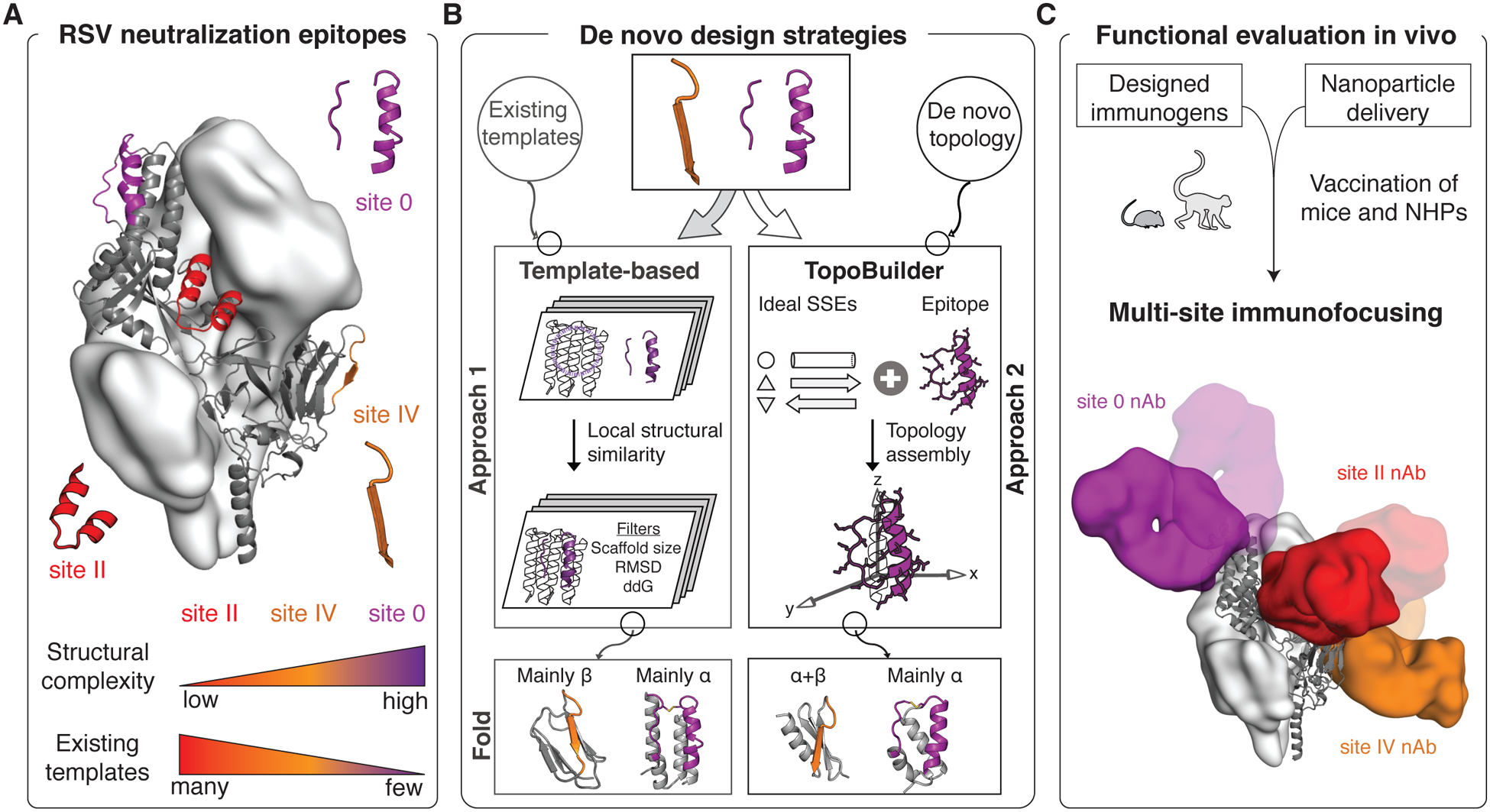
Fig 1. Computational design of RSV epitope-focused immunogens.
(A) Prefusion RSVF structure (PDB 4JHW) with sites 0, II and IV highlighted. (B) Computational protein design strategies. Approach 1: Design templates were identified in the PDB, followed by in silico folding and design. Approach 2: A template-free design approach was developed (“TopoBuilder”) to tailor the protein topology to the motif’s structural constraints. Bottom: Computational models of designed immunogens. (C) Cocktail formulations of designed immunogens displayed on nanoparticles elicit nAbs focused on three non-overlapping epitopes. SSEs: secondary structure elements; α: alpha-helix; β: beta strand; ddG: computed binding energy.
Fig 2
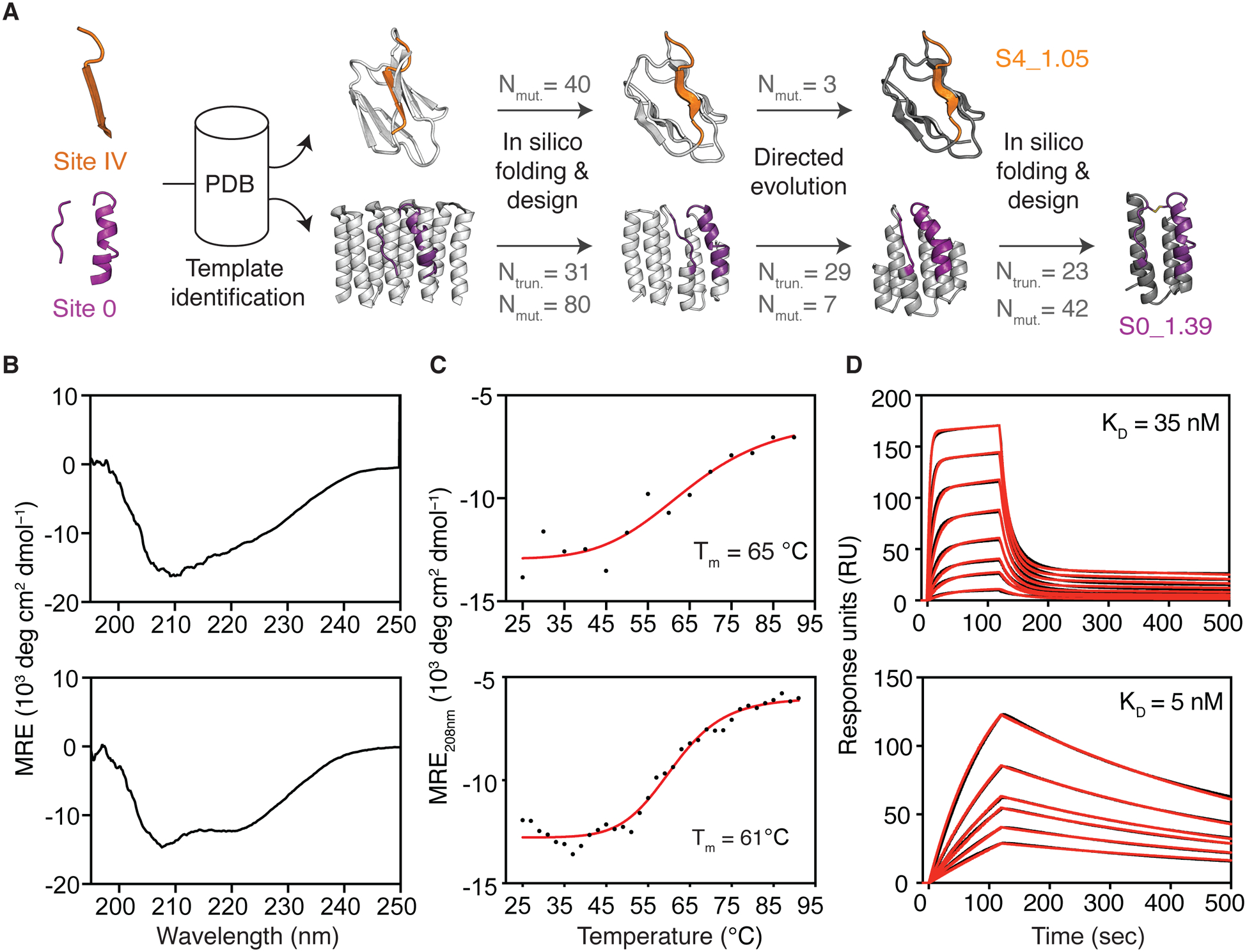
Fig 2. Template-based computational design.
(A) Templates with structural similarity to sites IV and 0 were identified by native domain excision or loose structural matching, followed by in silico folding, design and directed evolution. Computational models of intermediates and final designs (S4_1.5 and S0_1.39) are shown, the number of mutations (Nmut) and truncated residues (Ntrun) are indicated for each step. (B) CD spectra measured at 20 °C of S4_1.5 (top) and S0_1.39 (bottom), are in agreement with the expected secondary structure content of the design models. (C) Thermal melting curves measured by CD in presence of reducing agent. (D) Binding affinity measured by SPR against target antibodies 101F (top) and D25 (bottom). Sensorgrams are shown in black and fits in red. CD: circular dichroism; Tm: melting temperature; SPR: surface plasmon resonance.
Fig 3
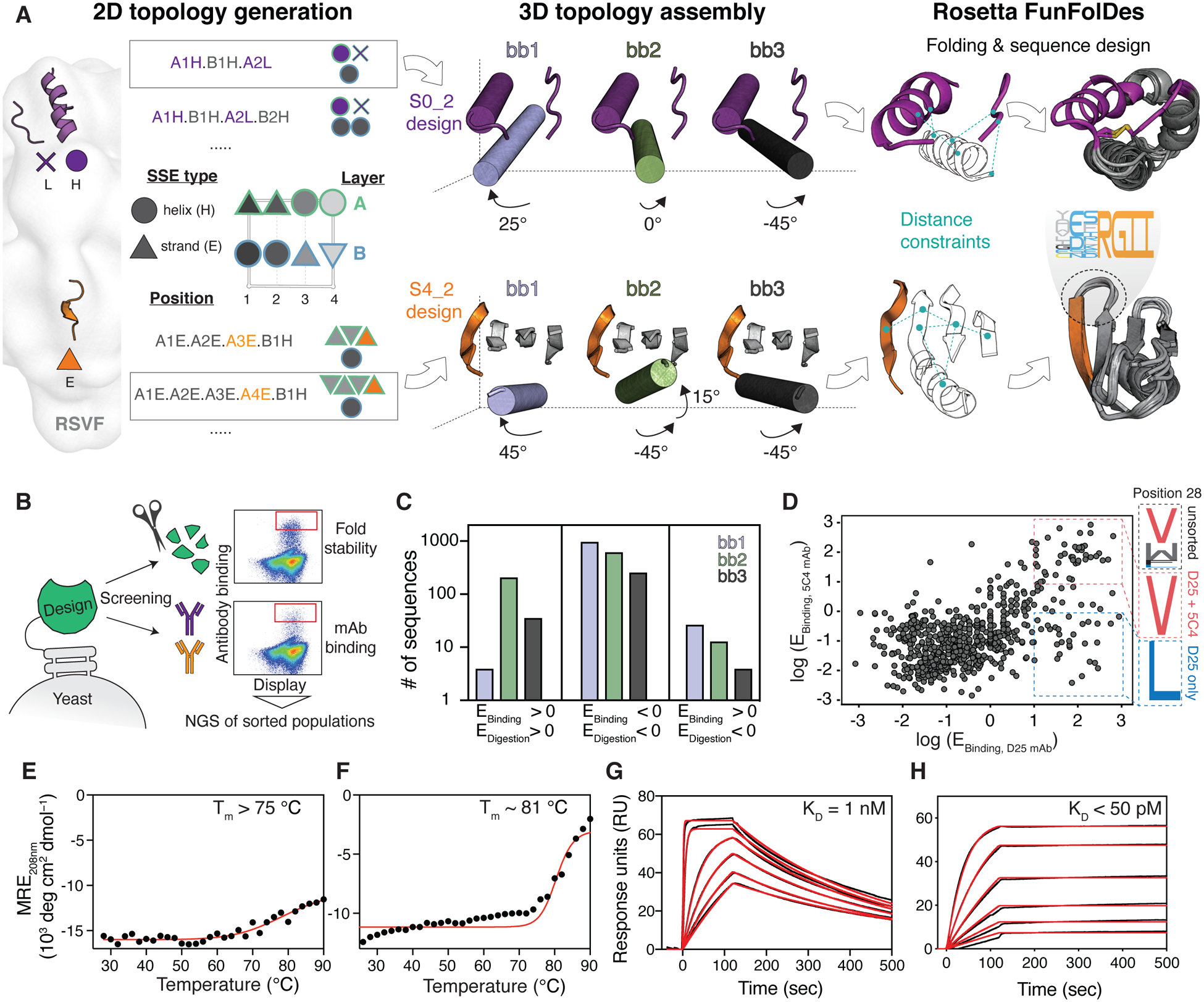
Fig 3. Template-free de novo design strategy.
(A) Protein topologies that are compatible with each motif are enumerated in the 2D space. Selected topologies are then projected into the 3D space using idealized SSEs, and their relative orientation is sampled parametrically. Distance constraints are derived from selected topologies to guide in silico folding and sequence design using Rosetta. (B) Designed sequences were screened for high-affinity binding and resistance to chymotrypsin to select stably folded proteins, as revealed by next-generation sequencing (NGS). (C) For the S4_2 design series, enrichment analysis revealed a strong preference for one of the designed helical orientations (S4_2_bb2, green) to resist protease digestion and to bind with high affinity to 101F. (D) To ensure epitope integrity, S0_2_bb3 was screened for binding to both D25 and 5C4. Sequences highly enriched for both D25 and 5C4 binding show convergent sequence features in the critical core position 28 of the site 0 scaffold. (E-F) Thermal melting curves measured by CD for best designs (S4_2.45 (E) and S0_2.126 (F)) showing high thermostability. (G-H) Dissociation constants (KD) of S4_2.45 to 101F (G) and S0_2.126 to D25 (H) as measured by SPR. E: enrichment.
Fig 4
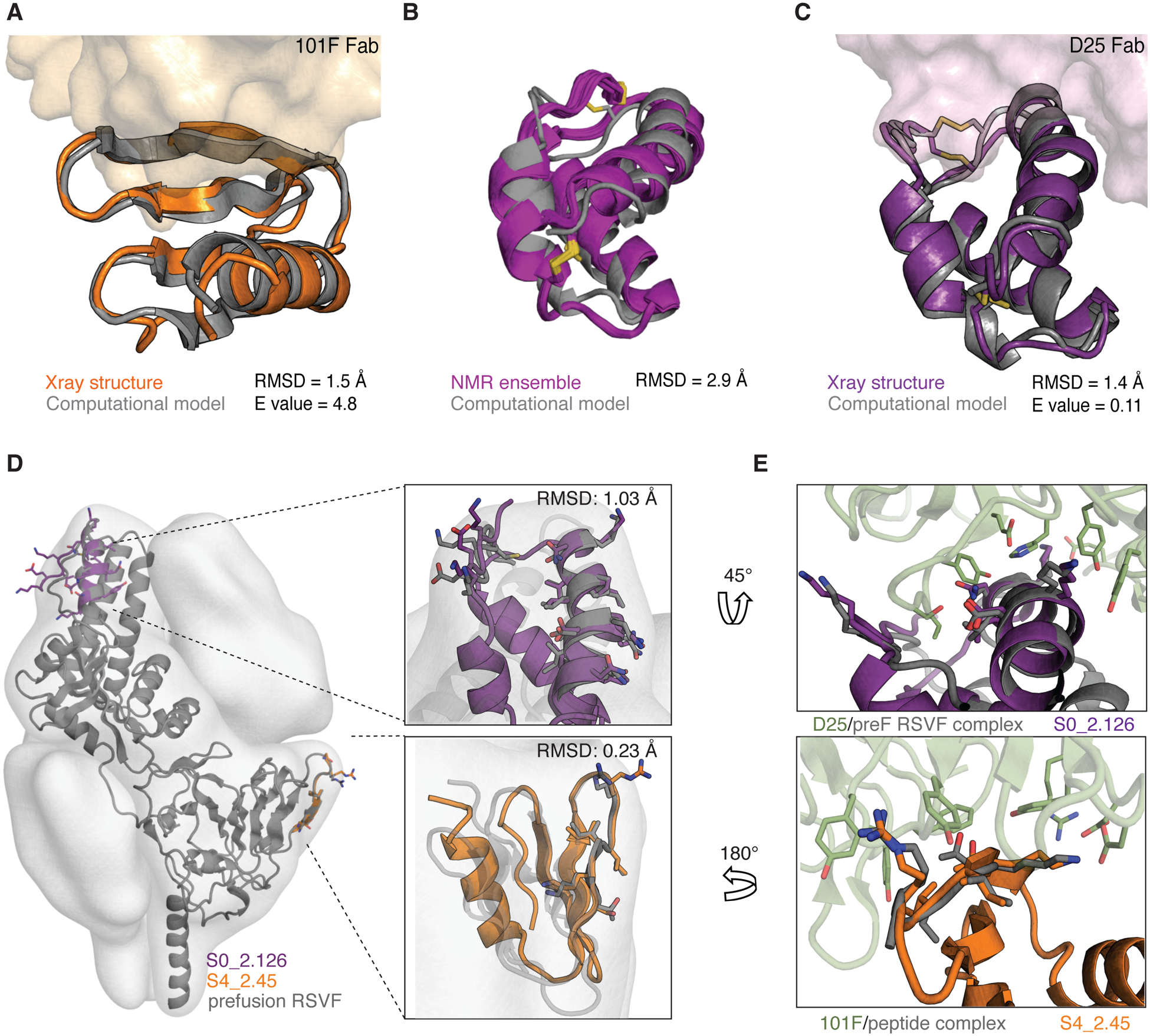
Fig 4. Structural characterization of de novo-designed immunogens.
(A) Crystal structure of S4_2.45 (orange) bound to 101F Fab closely matches the design model (gray, RMSD = 1.5 Å). (B) NMR structural ensemble of S0_2.126 (purple) superimposed to the computational model (gray). The NMR structure shows overall agreement with the design model (backbone RMSD of 2.9 Å). (C) Crystal structure of S0_2.126 (purple) bound to D25 Fab closely resembles the design model (gray, RMSD = 1.4 Å). (D) Superposition of the preRSVF sites 0/IV and designed immunogens. Designed scaffolds are compatible with the shape constraints of preRSVF (surface representation). (E) Close-up view of the interfacial side-chain interactions between D25 (top) and 101F (bottom) with designed immunogens as compared to the starting epitope structures.
Fig 5
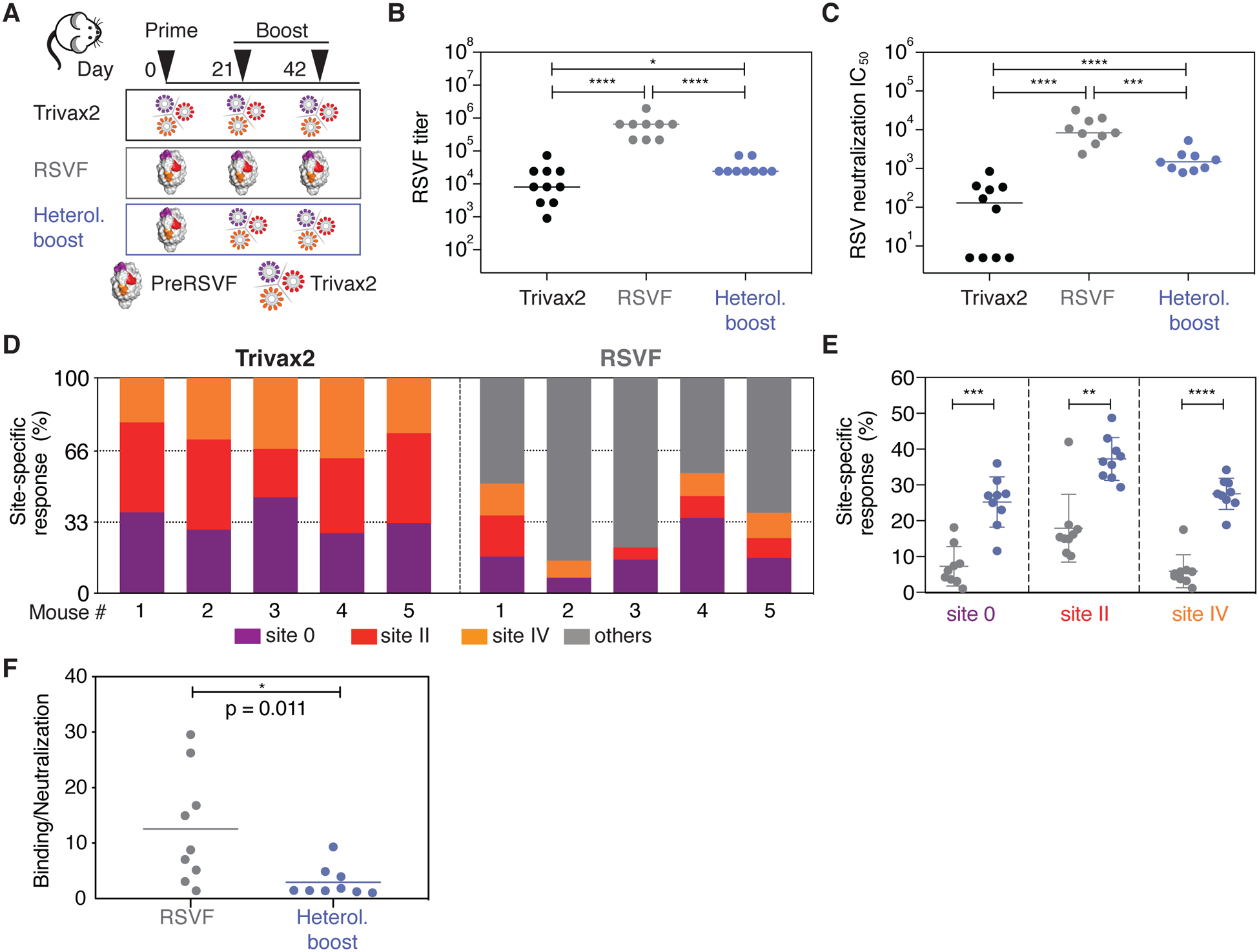
Fig 5. Immunogenicity of Trivax2 in mice.
(A) Three groups of mice (n = 9–10) were immunized with Trivax2, preRSVF, or as heterologous prime-boost as indicated. (B) Binding titers measured against preRSVF using ELISA. (C) RSV serum neutralizing titers. (D) Serum composition following three immunizations with Trivax2 or preRSVF. Site-specific responses were dissected from serum at day 56 using competition ELISA. (E) Site-specific responses following preRSVF immunization compared to a heterologous prime-boost cohort, as measured by a competition SPR assay. On average, comparing Trivax2 with preRSVF, the response against sites 0, II, and IV increased 4.4-, 2.3-, and 5.3-fold, respectively. (F) Ratio of preRSVF binding to neutralizing antibody titers. Each symbol represents the ratio of binding IC50 to neutralization IC50 for an individual animal, the line represents the mean for each group. Data are representative from at least two independent experiments. Statistics were computed using Mann–Whitney U test, where * p < 0.05; ** p < 0.01; *** p < 0.001; **** p < 0.0001.
Fig 6
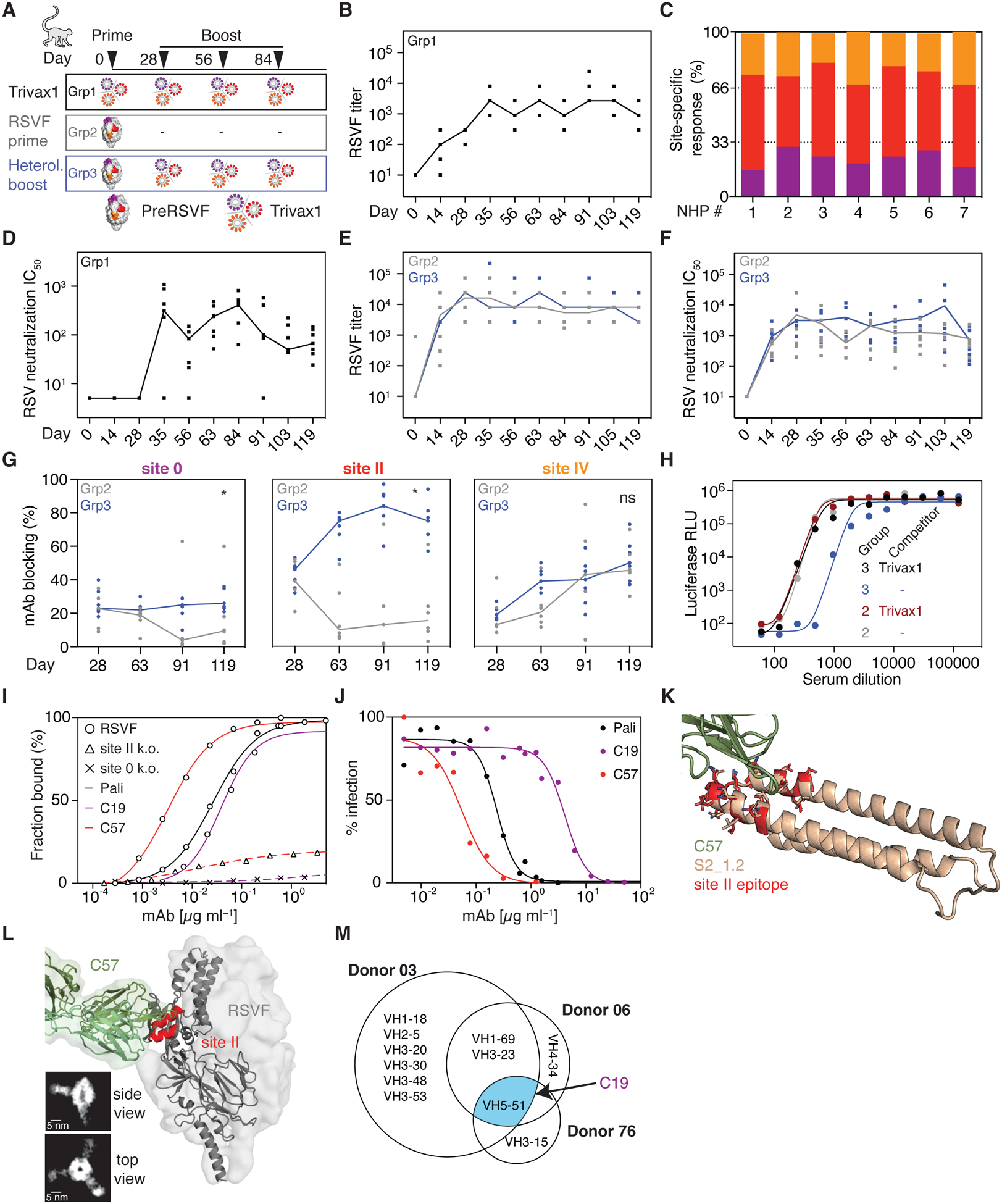
Fig 6. Immunogenicity of Trivax1 in NHPs.
(A) NHP immunization scheme. (B) Trivax1 immunized NHPs developed robust titers cross-reacting with preRSVF. (C) Site-specific antibody responses as dissected by competition SPR. (D) RSV neutralization titers of group 1. (E) PreRSVF titers and (F) RSV neutralization titers in groups 2 (gray) and 3 (blue). (G) Dynamics of site-specific antibody levels. Site 0- and site II-specific titers were significantly higher in group 3 compared to 2 following Trivax1 boosting (* p < 0.05, Mann–Whitney U test). (H) RSV neutralization curves upon depletion of day 91 sera with site 0-, II-, and IV-specific scaffolds. (I) ELISA binding curves of isolated monoclonal antibodies C19 and C57 to preRSVF and site-specific knockouts, in comparison to palivizumab. (J) In vitro RSV neutralization of C19, C57, and palivizumab. (K) X-ray structure of C57 Fab fragment in complex with S2_1.2. (L) Model of C57 bound to preRSVF, as confirmed by negative-stain electron microscopy. Scale bar: 5 nm. (M) Lineage analysis (Venn diagram) of previously identified site 0 nAbs from three different human donors (39). The elicited site 0 nAb C19 is a close homolog of the human VH5–51 lineage (blue). Data are representative from three independent experiments.

Comment in

  • Bottom-up de novo protein design.
    Singh A. Singh A. Nat Methods. 2021 Mar;18(3):233. doi: 10.1038/s41592-021-01097-4. Nat Methods. 2021. PMID: 33674794 No abstract available.

References

    1. Koga N et al., Principles for designing ideal protein structures. Nature 491, 222–227 (2012). - PMC - PubMed
    1. Marcos E et al., Principles for designing proteins with cavities formed by curved beta sheets. Science 355, 201–206 (2017). - PMC - PubMed
    1. Huang PS et al., De novo design of a four-fold symmetric TIM-barrel protein with atomic-level accuracy. Nat Chem Biol 12, 29–34 (2016). - PMC - PubMed
    1. Mravic M et al., Packing of apolar side chains enables accurate design of highly stable membrane proteins. Science 363, 1418–1423 (2019). - PMC - PubMed
    1. Huang PS, Boyken SE, Baker D, The coming of age of de novo protein design. Nature 537, 320–327 (2016). - PubMed

Publication types

MeSH terms

Substances