


Biochemical and Genomic Characterization of the Cypermethrin-Degrading and Biosurfactant-Producing Bacterial Strains Isolated from Marine Sediments of the Chilean Northern Patagonia
- PMID: 32414006
- PMCID: PMC7281626
- DOI: 10.3390/md18050252
Biochemical and Genomic Characterization of the Cypermethrin-Degrading and Biosurfactant-Producing Bacterial Strains Isolated from Marine Sediments of the Chilean Northern Patagonia
Abstract
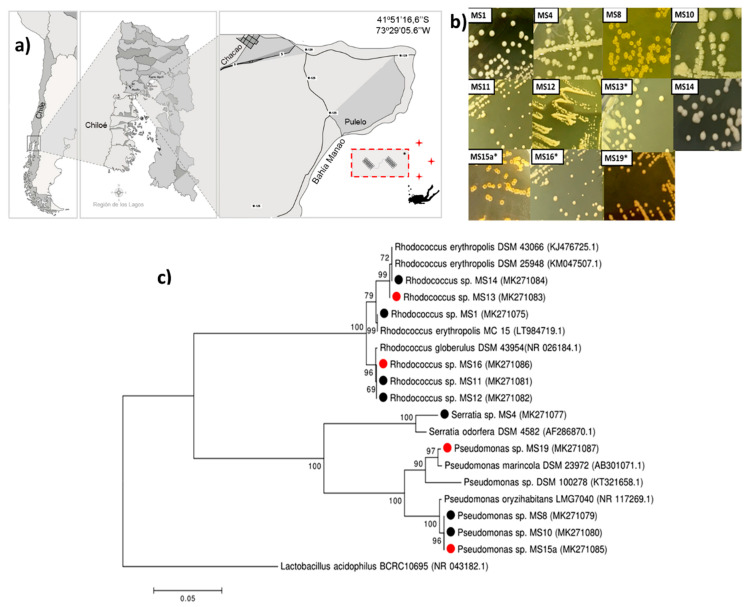
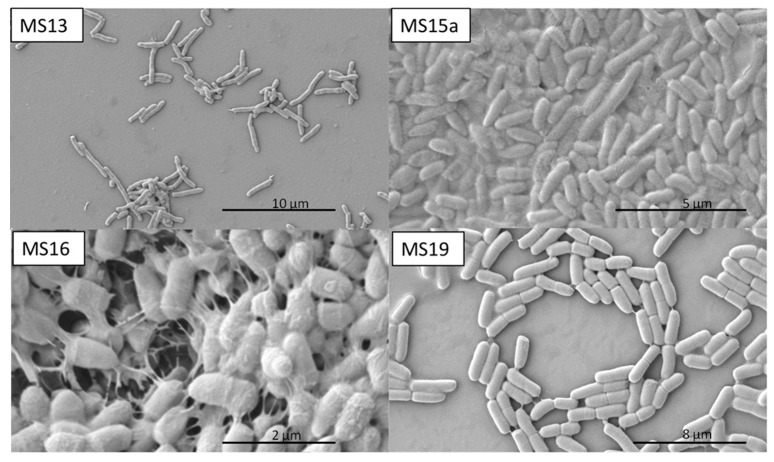
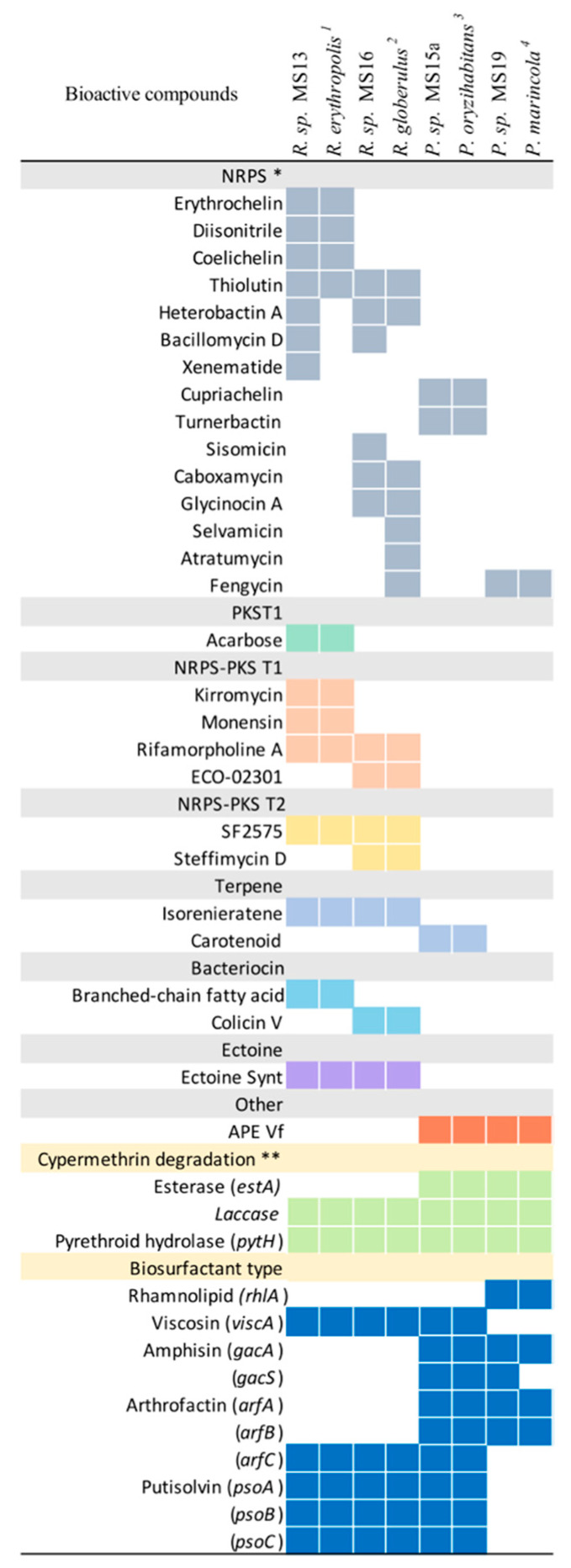
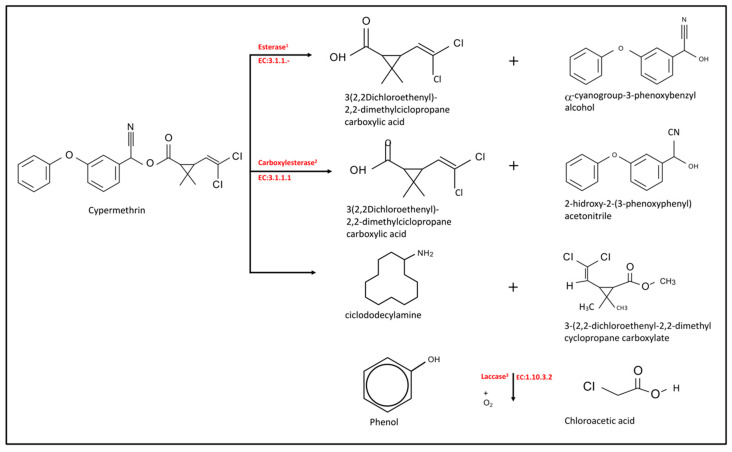
Pesticides cause severe environmental damage to marine ecosystems. In the last ten years, cypermethrin has been extensively used as an antiparasitic pesticide in the salmon farming industry located in Northern Patagonia. The objective of this study was the biochemical and genomic characterization of cypermethrin-degrading and biosurfactant-producing bacterial strains isolated from cypermethrin-contaminated marine sediment samples collected in southern Chile (MS). Eleven strains were isolated by cypermethrin enrichment culture techniques and were identified by 16S rDNA gene sequencing analyses. The highest growth rate on cypermethrin was observed in four isolates (MS13, MS15a, MS16, and MS19) that also exhibited high levels of biosurfactant production. Genome sequence analyses of these isolates revealed the presence of genes encoding components of bacterial secondary metabolism, and the enzymes esterase, pyrethroid hydrolase, and laccase, which have been associated with different biodegradation pathways of cypermethrin. These novel cypermethrin-degrading and biosurfactant-producing bacterial isolates have a biotechnological potential for biodegradation of cypermethrin-contaminated marine sediments, and their genomes contribute to the understanding of microbial lifestyles in these extreme environments.
Keywords: biodegradation capacities; biosurfactants; cypermethrin; marine sediments.
Conflict of interest statement
The authors declare no conflict of interest.
Figures
References
-
- Bravo S., Silva M.T., Agustí C., Sambra K., Horsberg T.E. The effect of chemotherapeutic drugs used to control sea lice on the hatching viability of egg strings from Caligus rogercresseyi. Aquaculture. 2015;443:77–83. doi: 10.1016/j.aquaculture.2015.03.011. - DOI
-
- Poley J.D., Braden L.M., Messmer A.M., Whyte S., Koop B.F., Fast M.D. Cypermethrin exposure induces metabolic and stress-related gene expression in copepodid salmon lice (Lepeophtheirus salmonis) Comp. Biochem. Physiol. Part D Genom. Proteom. 2016;20:74–84. doi: 10.1016/j.cbd.2016.08.004. - DOI - PubMed
-
- World Health Organization (WHO) The WHO Recommended Classification of Pesticides by Hazardand Guidelines to Classification 2009. Vol. 61 World Health Organization; Geneva, Switzerland: 2009.
MeSH terms
Substances
Grants and funding
LinkOut - more resources
Full Text Sources
Medical
