Review
. 2020 May 14;25(10):2314.
doi: 10.3390/molecules25102314.

Methods to Enhance the Metabolic Stability of Peptide-Based PET Radiopharmaceuticals

Affiliations
Review

Methods to Enhance the Metabolic Stability of Peptide-Based PET Radiopharmaceuticals

Brendan J Evans et al. Molecules. .

Abstract

The high affinity and specificity of peptides towards biological targets, in addition to their favorable pharmacological properties, has encouraged the development of many peptide-based pharmaceuticals, including peptide-based positron emission tomography (PET) radiopharmaceuticals. However, the poor in vivo stability of unmodified peptides against proteolysis is a major challenge that must be overcome, as it can result in an impractically short in vivo biological half-life and a subsequently poor bioavailability when used in imaging and therapeutic applications. Consequently, many biologically and pharmacologically interesting peptide-based drugs may never see application. A potential way to overcome this is using peptide analogues designed to mimic the pharmacophore of a native peptide while also containing unnatural modifications that act to maintain or improve the pharmacological properties. This review explores strategies that have been developed to increase the metabolic stability of peptide-based pharmaceuticals. It includes modifications of the C- and/or N-termini, introduction of d- or other unnatural amino acids, backbone modification, PEGylation and alkyl chain incorporation, cyclization and peptide bond substitution, and where those strategies have been, or could be, applied to PET peptide-based radiopharmaceuticals.

Keywords: metabolic stability; peptides; positron emission tomography; proteolysis; radiopharmaceuticals.


Conflict of interest statement

The authors declare no conflict of interest.

Figures
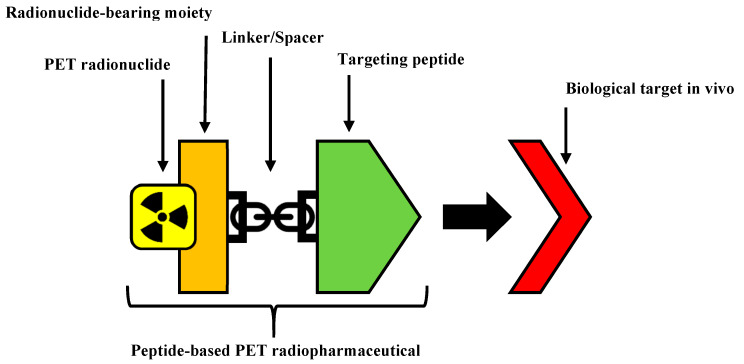
Figure 1
Figure 1
The structural components of a peptide-based positron emission tomography (PET) radiopharmaceuticals.
Figure 2
Figure 2
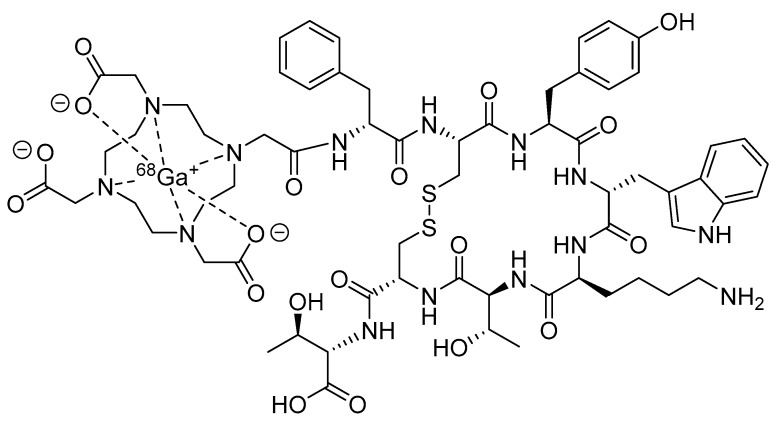
Structure of [68Ga]DOTATATE (NETSPOT®).
Figure 3
Figure 3
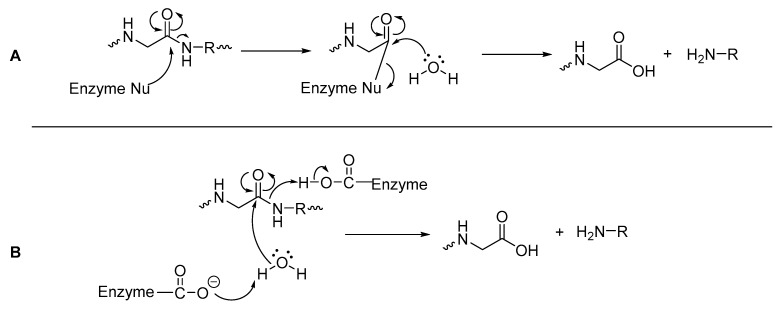
General mechanisms of hydrolysis via a peptidase (A) with nucleophilic amino acids; (B) with acidic amino acid residues [43,44].
Figure 4
Figure 4
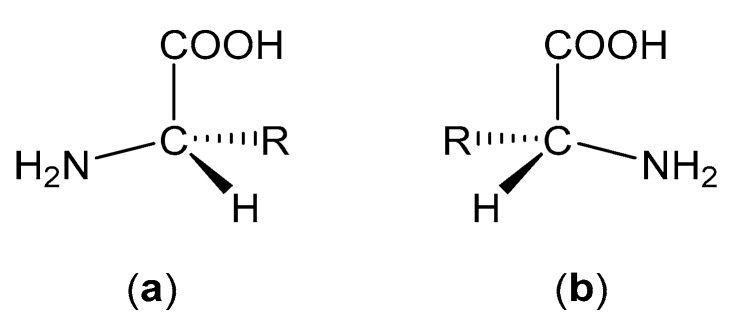
(a) Structure of an l-amino acid. (b) Structure of a d-amino acid.
Figure 5
Figure 5
Structure of an l-peptide and its d-peptide analogue and d-retro-inverso-peptide analogue.
Figure 6
Figure 6
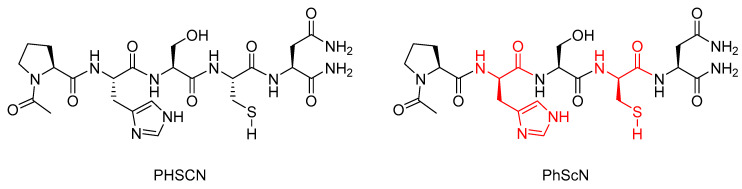
Structures of PHSCN and PhScN peptides, with the d-amino acids highlighted in red [59].
Figure 7
Figure 7
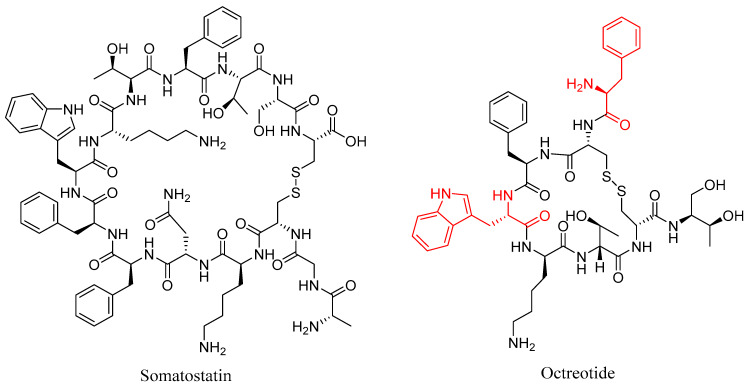
Structures of somatostatin and octreotide, with the d-amino acid modifications on octreotide highlighted in red.
Figure 8
Figure 8
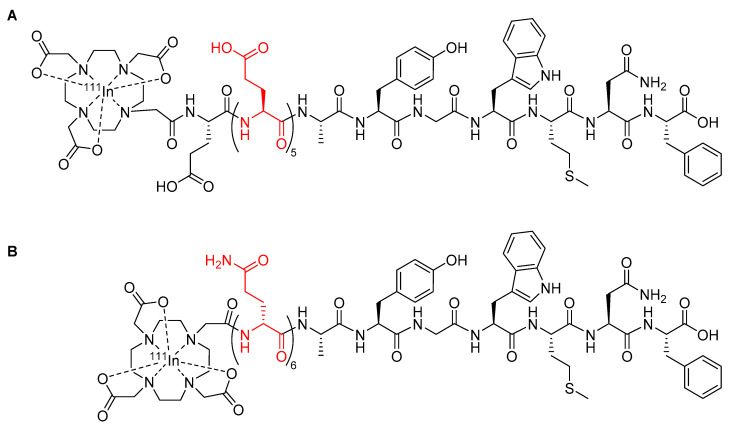
(A) Minigastrin analogue [111In-DOTA]MG0 with the five l-glutamic acids linker highlighted in red [67]; (B) minigastrin peptide radiopharmaceutical developed by Kolenic-Petial et al., with the six d-amino acids linker highlighted in red [68].
Figure 9
Figure 9
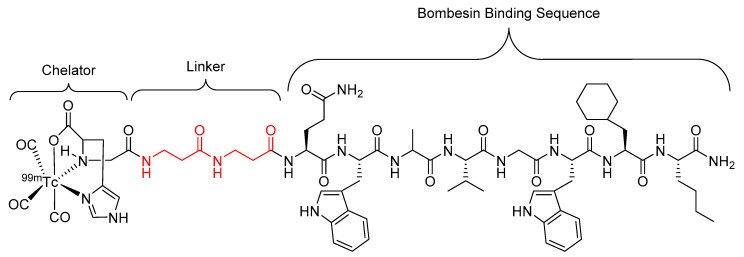
Bombesin-based peptide radiopharmaceutical investigated by Garayoa et al., with the βAla–βAla linker highlighted in red [81].
Figure 10
Figure 10
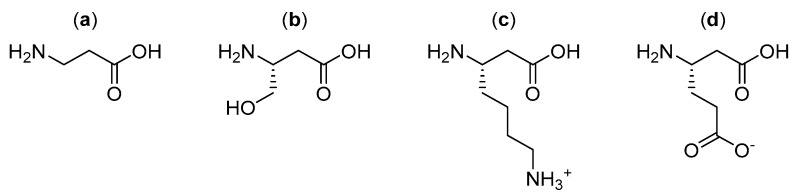
Alternate β-amino acids (a) β-alanine; (b) β3-homoserine; (c) β3-homolysine; and (d) β3-homoglutamic acid investigated by Garayoa et al. for use as linkers [17].
Figure 11
Figure 11
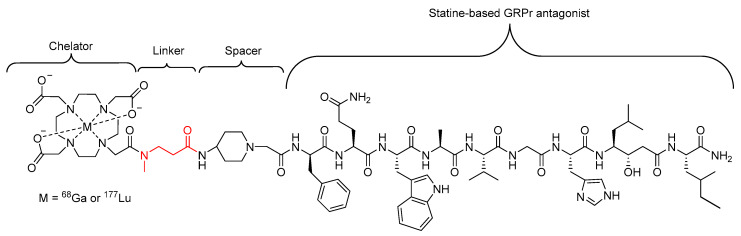
Statine-based GRPr antagonist radiopharmaceutical investigated by Popp et al., with the N-methylated β-alanine linker highlighted in red [82].
Figure 12
Figure 12
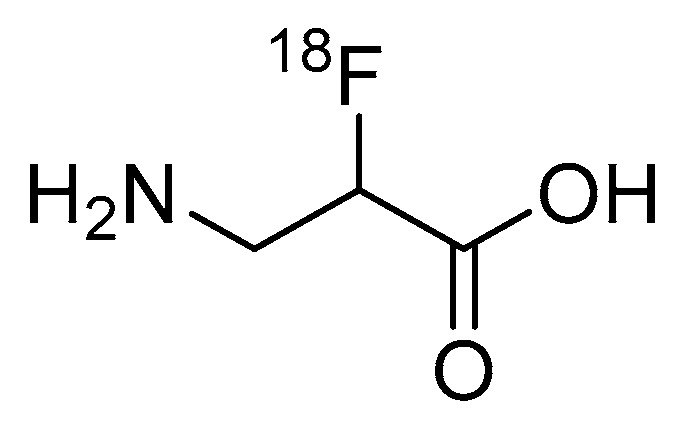
Fluorine-18 labeled β-alanine synthesized by Schjoeth-Eskensen et al. [83].
Figure 13
Figure 13
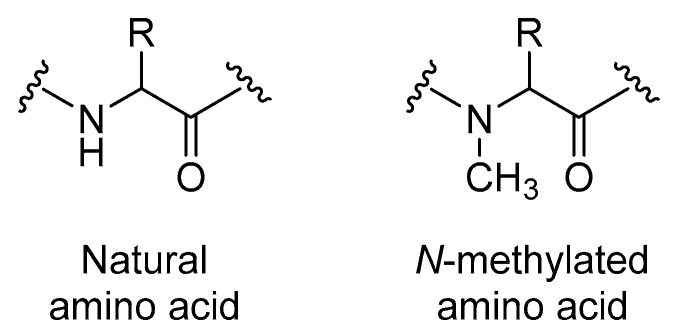
Structures of natural compared to N-methylated amino acids.
Figure 14
Figure 14
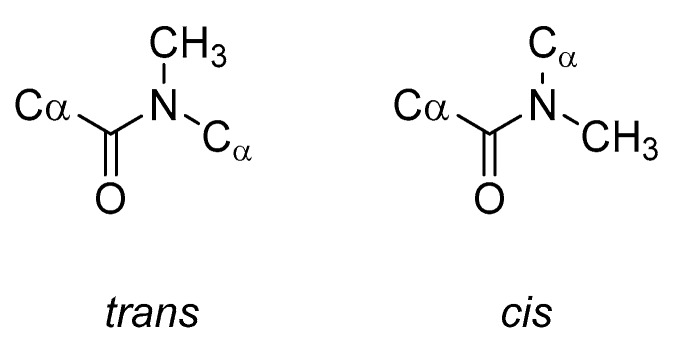
Comparison of the trans and cis conformations of N-methylated peptide bonds.
Figure 15
Figure 15
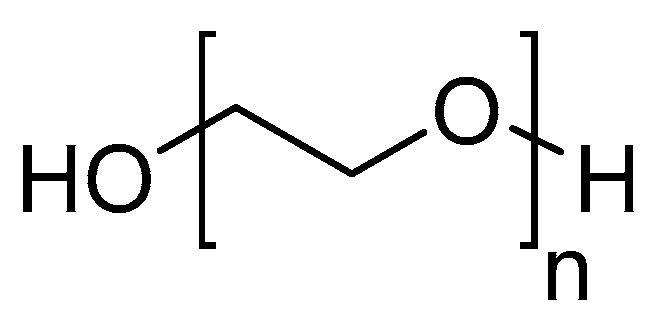
Polyethylene glycol (PEG) structure.
Figure 16
Figure 16
Structures of (a) [18F]FBA-A20FMDV2 and (b) the bi-terminally PEGylated [18F]FBA-PEG28-A20FMDV2-PEG28 [107].
Figure 17
Figure 17
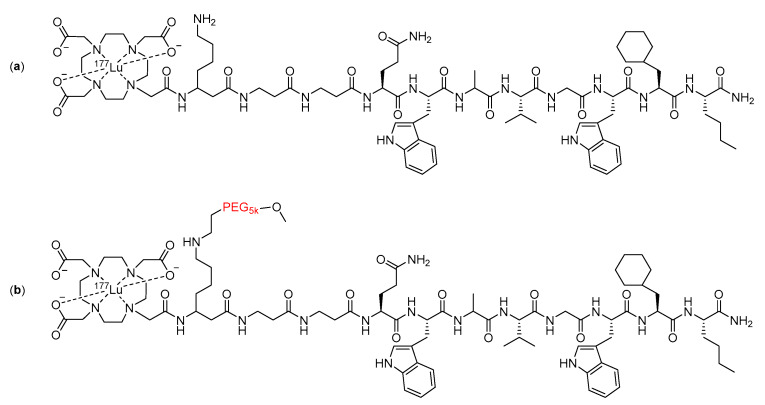
Structure of (a) unmodified and (b) modified bombesin peptide radiotherapeutics investigated by Dapp et al., with the PEG linker modification highlighted in red [109].
Figure 18
Figure 18
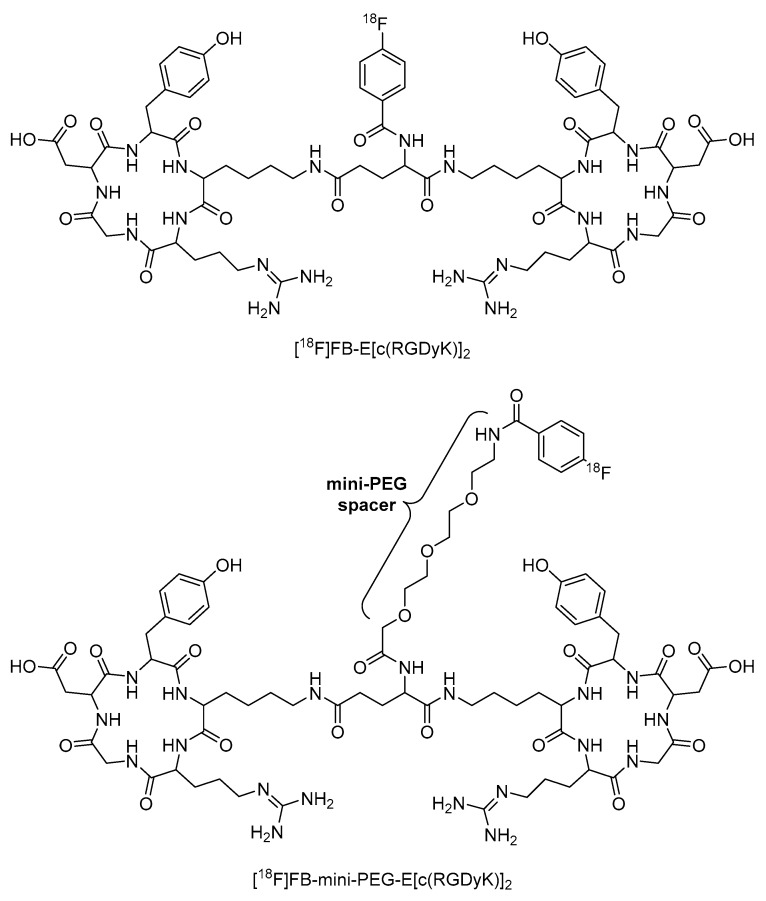
Structures of [18F]FB-E[c(RGDyK)]2 and [18F]FB-mini-PEG-E[c(RGDyK)]2 [110].
Figure 19
Figure 19
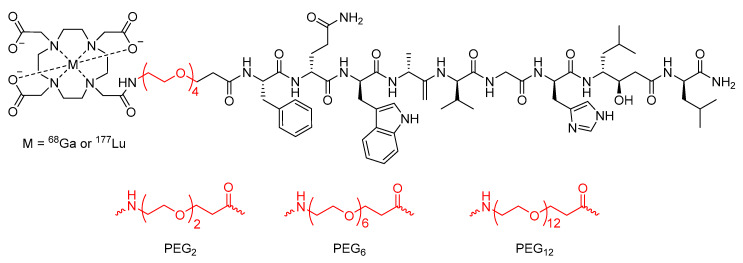
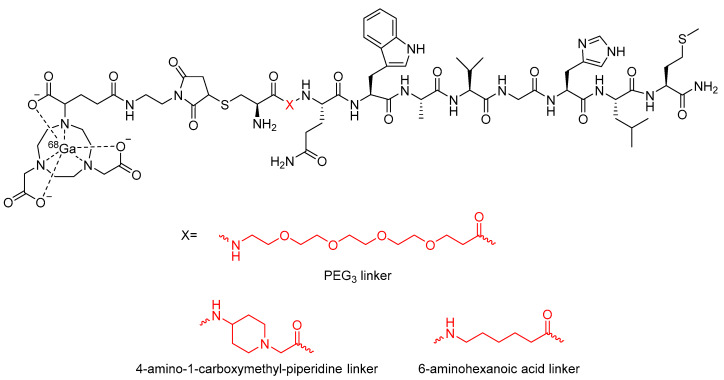
Bombesin-based peptide radiopharmaceutical investigated by the Maecke group, with PEG4 chain linker and alternative PEG chain lengths highlighted in red [111,112].
Figure 20
Figure 20
Bombesin-based radiopharmaceuticals investigated by Bacher et al., with the linker location and linkers highlighted in red [113].
Figure 21
Figure 21
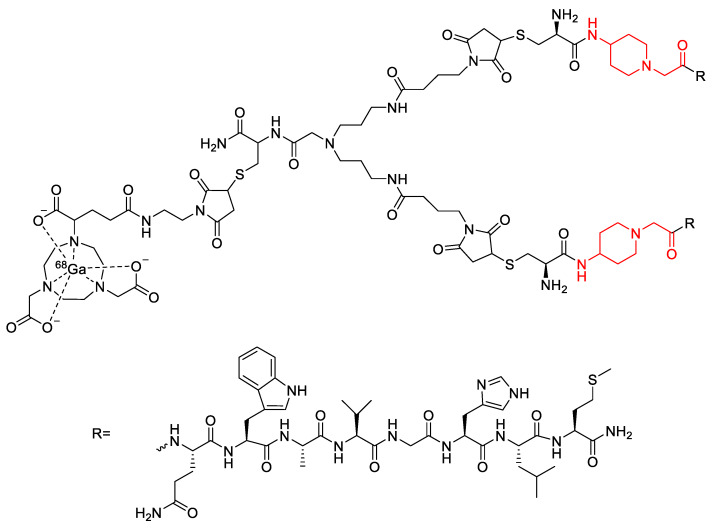
Bombesin-based dimer radiopharmaceutical investigated by Bacher et al., with 4-amino-1-carboxylmethyl-piperidine linkers highlighted in red [113].
Figure 22
Figure 22
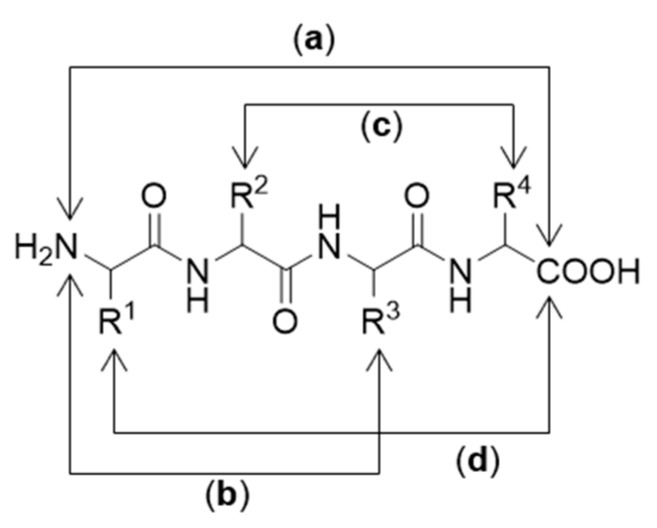
Different cyclization arrangements: (a) head-to-tail chain; (b) head-to-side chain; (c) side chain-to-side chain; (d) tail-to-side chain.
Figure 23
Figure 23
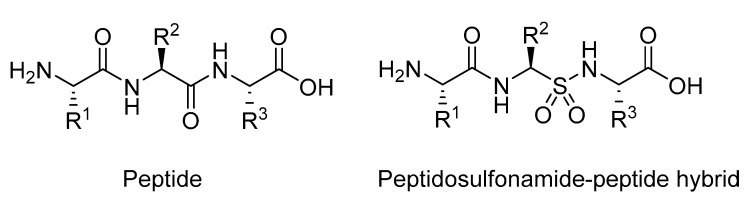
Structure of a regular peptides compared to sulfonamide analogue.
Figure 24
Figure 24
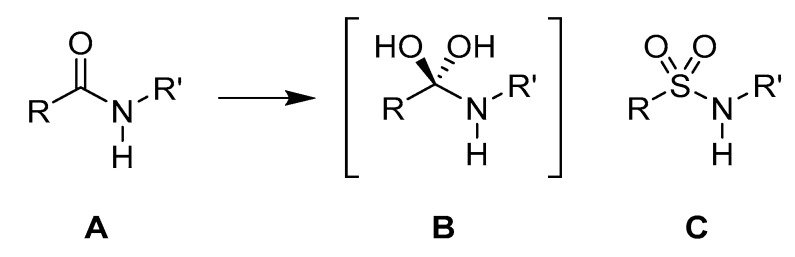
(A) Peptide bond structure. (B) Transition state for the hydrolysis of the peptide bond. (C) Sulfonamide bond as a suggested transition state isostere.
Figure 25
Figure 25
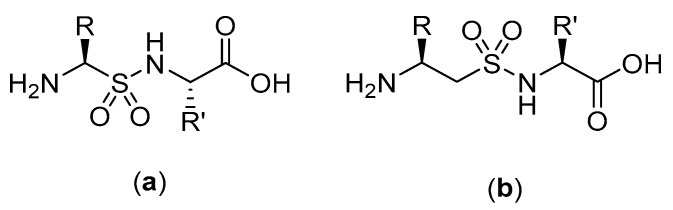
(a) Structure of α-peptidosulfonamide-α-peptide hybrid. (b) Structure of β-aminosulfonamide-α-peptide hybrid.
Figure 26
Figure 26
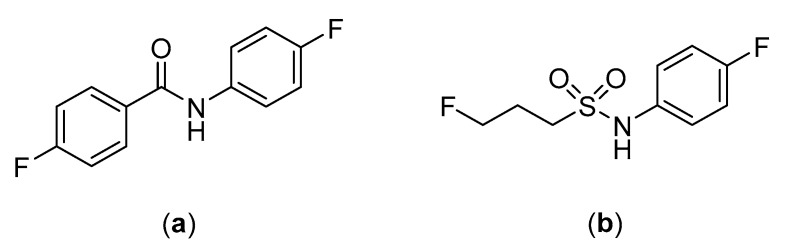
Structures of (a) N-(4-fluorophenyl)-fluoroacetanilide and (b) N-(4-fluorophenyl)-3-fluoropropane-1-sulfonamide [36].

References

    1. Paans A.M.J., van Waarde A., Elsinga P.H., Willemsen A.T.M., Vaalburg W. Positron emission tomography: The conceptual idea using a multidisciplinary approach. Methods. 2002;27:195–207. doi: 10.1016/S1046-2023(02)00075-0. - DOI - PubMed
    1. Wood K.A., Hoskin P.J., Saunders M.I. Positron emission tomography in oncology: A review. Clin. Oncol. 2007;19:237–255. doi: 10.1016/j.clon.2007.02.001. - DOI - PubMed
    1. Van de Bittner G.C., Ricq E.L., Hooker J.M. A philosophy for CNS radiotracer design. Acc. Chem. Res. 2014;47:3127–3134. doi: 10.1021/ar500233s. - DOI - PMC - PubMed
    1. Coenen H.H., Elsinga P.H., Iwata R., Kilbourn M.R., Pillai M.R.A., Rajan M.G.R., Wagner H.N., Zaknun J.J. Fluorine-18 radiopharmaceuticals beyond [18F]FDG for use in oncology and neurosciences. Nucl. Med. Biol. 2010;37:727–740. doi: 10.1016/j.nucmedbio.2010.04.185. - DOI - PubMed
    1. Olberg D.E., Hjelstuen O.K. Labeling strategies of peptides with 18F for positron emission tomography. Curr. Top. Med. Chem. 2010;10:1669–1679. doi: 10.2174/156802610793176747. - DOI - PubMed

MeSH terms

LinkOut - more resources