


Polygenic risk scores: from research tools to clinical instruments
- PMID: 32423490
- PMCID: PMC7236300
- DOI: 10.1186/s13073-020-00742-5
Polygenic risk scores: from research tools to clinical instruments
Abstract
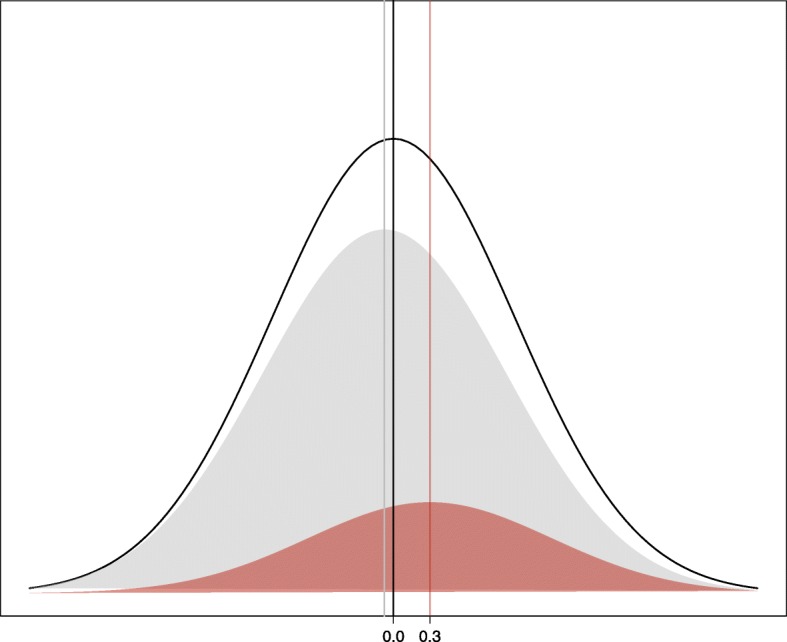
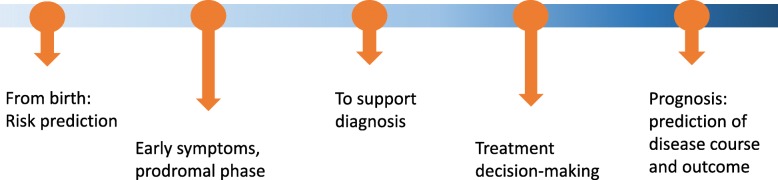
Genome-wide association studies have shown unequivocally that common complex disorders have a polygenic genetic architecture and have enabled researchers to identify genetic variants associated with diseases. These variants can be combined into a polygenic risk score that captures part of an individual's susceptibility to diseases. Polygenic risk scores have been widely applied in research studies, confirming the association between the scores and disease status, but their clinical utility has yet to be established. Polygenic risk scores may be used to estimate an individual's lifetime genetic risk of disease, but the current discriminative ability is low in the general population. Clinical implementation of polygenic risk score (PRS) may be useful in cohorts where there is a higher prior probability of disease, for example, in early stages of diseases to assist in diagnosis or to inform treatment choices. Important considerations are the weaker evidence base in application to non-European ancestry and the challenges in translating an individual's PRS from a percentile of a normal distribution to a lifetime disease risk. In this review, we consider how PRS may be informative at different points in the disease trajectory giving examples of progress in the field and discussing obstacles that need to be addressed before clinical implementation.
Keywords: Common disorders; Genetics; Pharmacogenetics; Polygenic risk scores; Prediction; Risk.
Conflict of interest statement
Cathryn Lewis is a member of the Research and Development SAB at Myriad Neuroscience. The remaining author declares that there are no competing interests.
Figures
References
-
- Musliner KL, Mortensen PB, McGrath JJ, Suppli NP, Hougaard DM, Bybjerg-Grauholm J, Baekvad-Hansen M, Andreassen O, Pedersen CB, Pedersen MG, et al. Association of polygenic liabilities for major depression, bipolar disorder, and schizophrenia with risk for depression in the Danish population. JAMA Psychiatry. 2019;76:516–525. - PMC - PubMed
Publication types
MeSH terms
Grants and funding
LinkOut - more resources
Full Text Sources
Other Literature Sources
