


Asian Hair: A Review of Structures, Properties, and Distinctive Disorders
- PMID: 32425573
- PMCID: PMC7187942
- DOI: 10.2147/CCID.S247390
Asian Hair: A Review of Structures, Properties, and Distinctive Disorders
Abstract
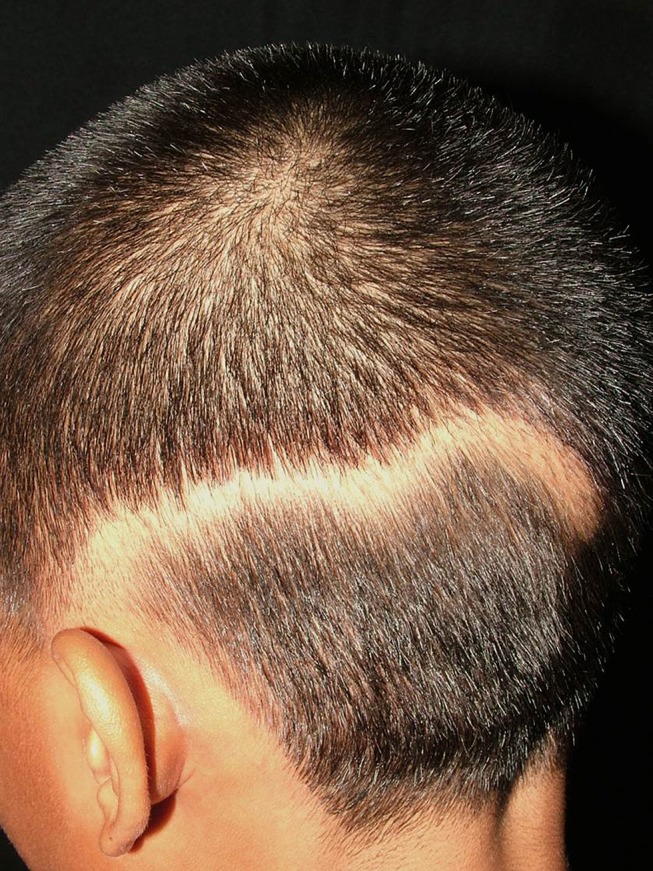
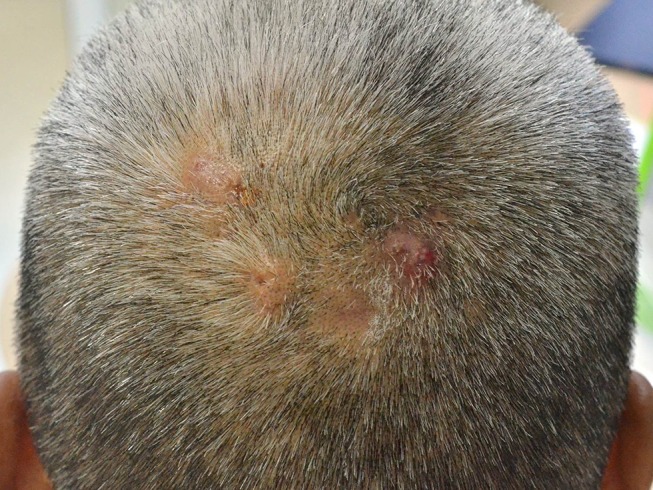
Asian hair is known for its straightness, dark pigmentation, and large diameter. The cuticle layer in Asians is thicker with more compact cuticle cells than that in Caucasians. Asian hair generally exhibits the strongest mechanical properties, and its cross-sectional area is determined greatly by genetic variations, particularly from the ectodysplasin A receptor gene. However, knowledge on Asian hair remains unclear with limited studies. This article aimed to review and summarize the characteristics and properties of Asian hair. It also aimed to discuss hair disorders including linear lupus panniculitis and pseudocyst of the scalp that occur distinctively in Asian populations.
Keywords: alopecia; biogeographic population; ethnicity; hair loss; hair shaft disorders.
© 2020 Leerunyakul and Suchonwanit.
Conflict of interest statement
The authors report no conflicts of interest in this work.
Figures
References
-
- Maronas O, Sochtig J, Ruiz Y, Phillips C, Carracedo A, Lareu MV. The genetics of skin, hair, and eye color variation and its relevance to forensic pigmentation predictive tests. Forensic Sci Rev. 2015;27(1):13–40. - PubMed
Publication types
LinkOut - more resources
Full Text Sources
