


Zinc Finger RNA-Binding Protein Zn72D Regulates ADAR-Mediated RNA Editing in Neurons
- PMID: 32433963
- PMCID: PMC7306179
- DOI: 10.1016/j.celrep.2020.107654
Zinc Finger RNA-Binding Protein Zn72D Regulates ADAR-Mediated RNA Editing in Neurons
Abstract
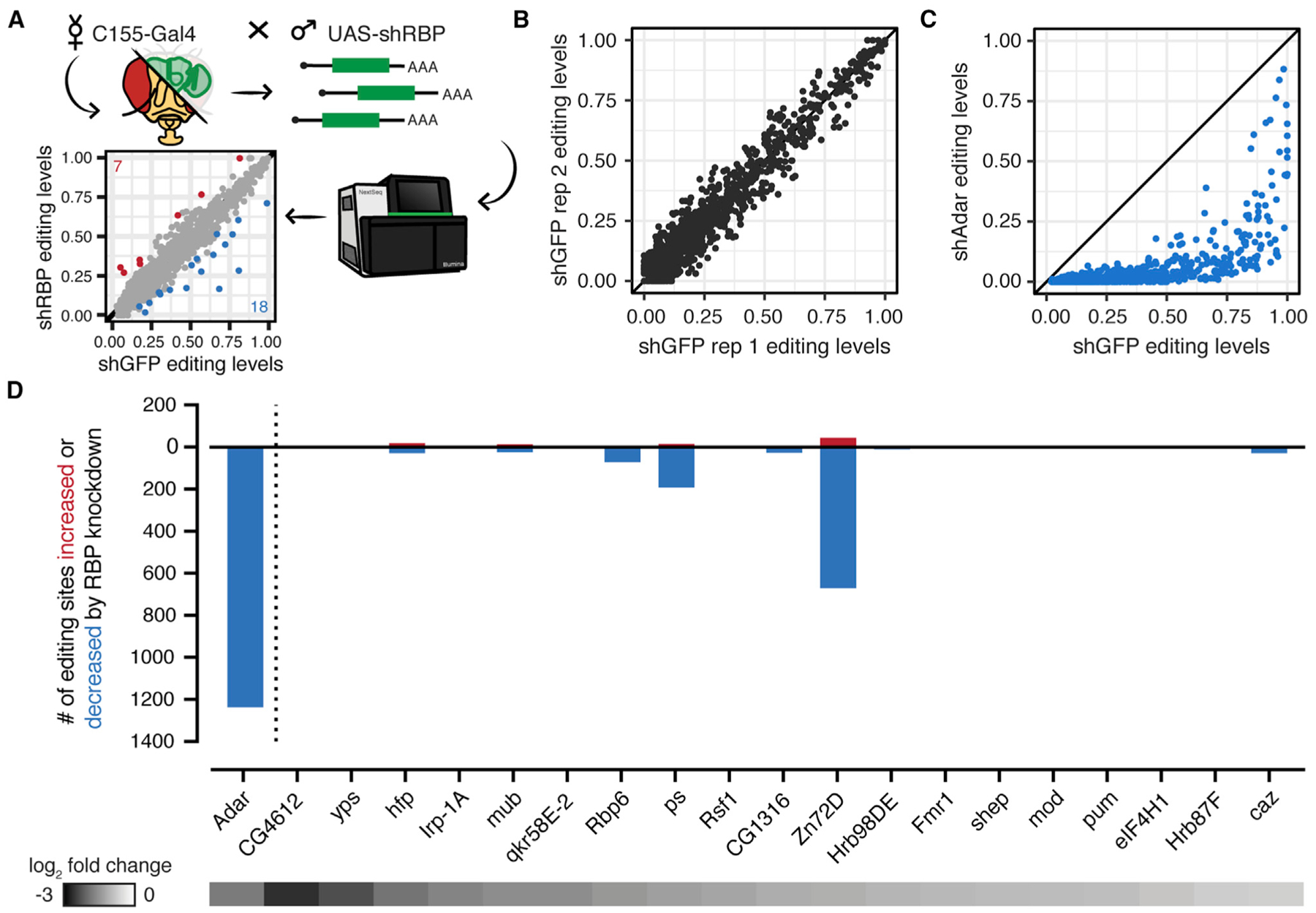
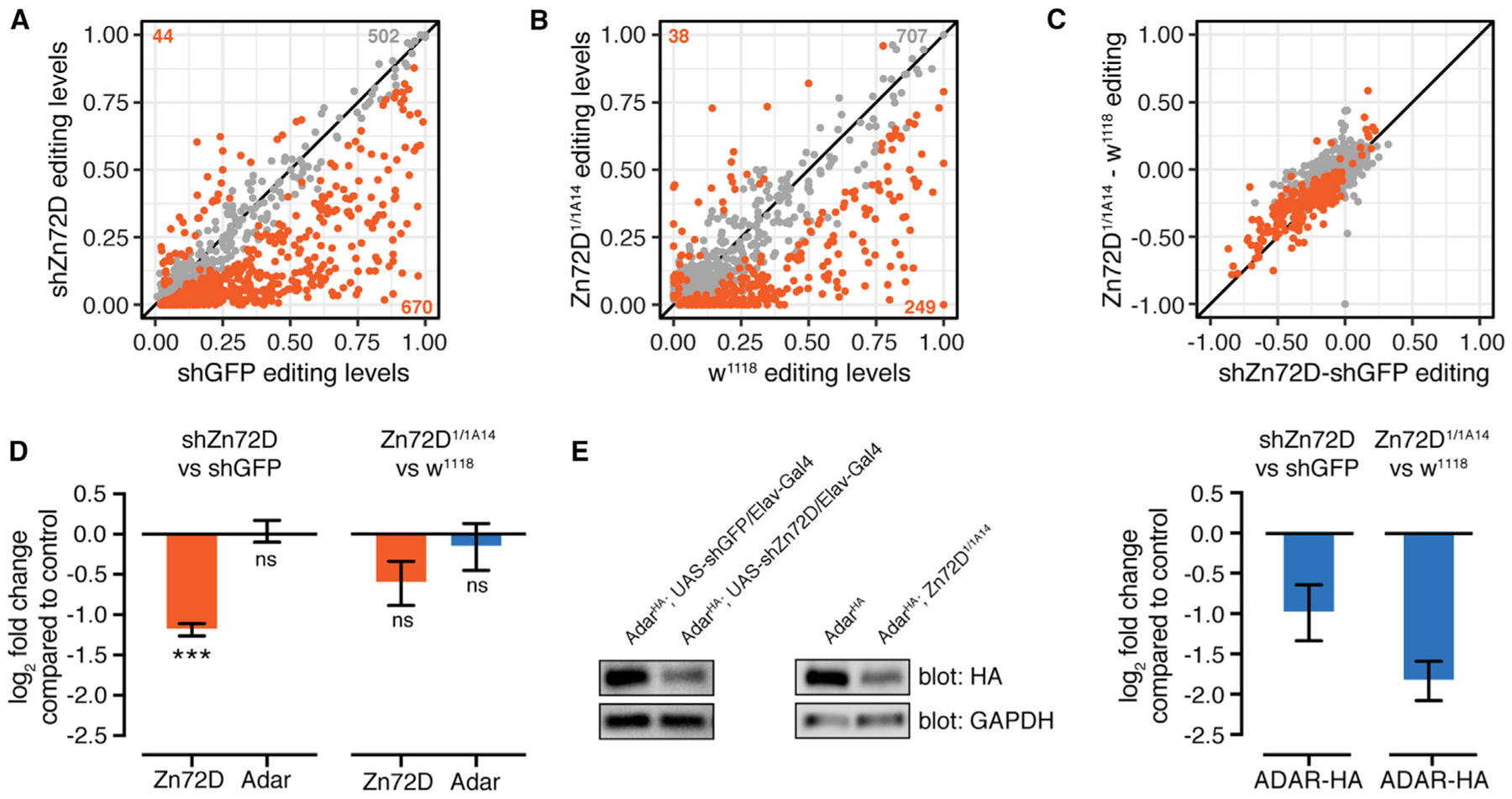
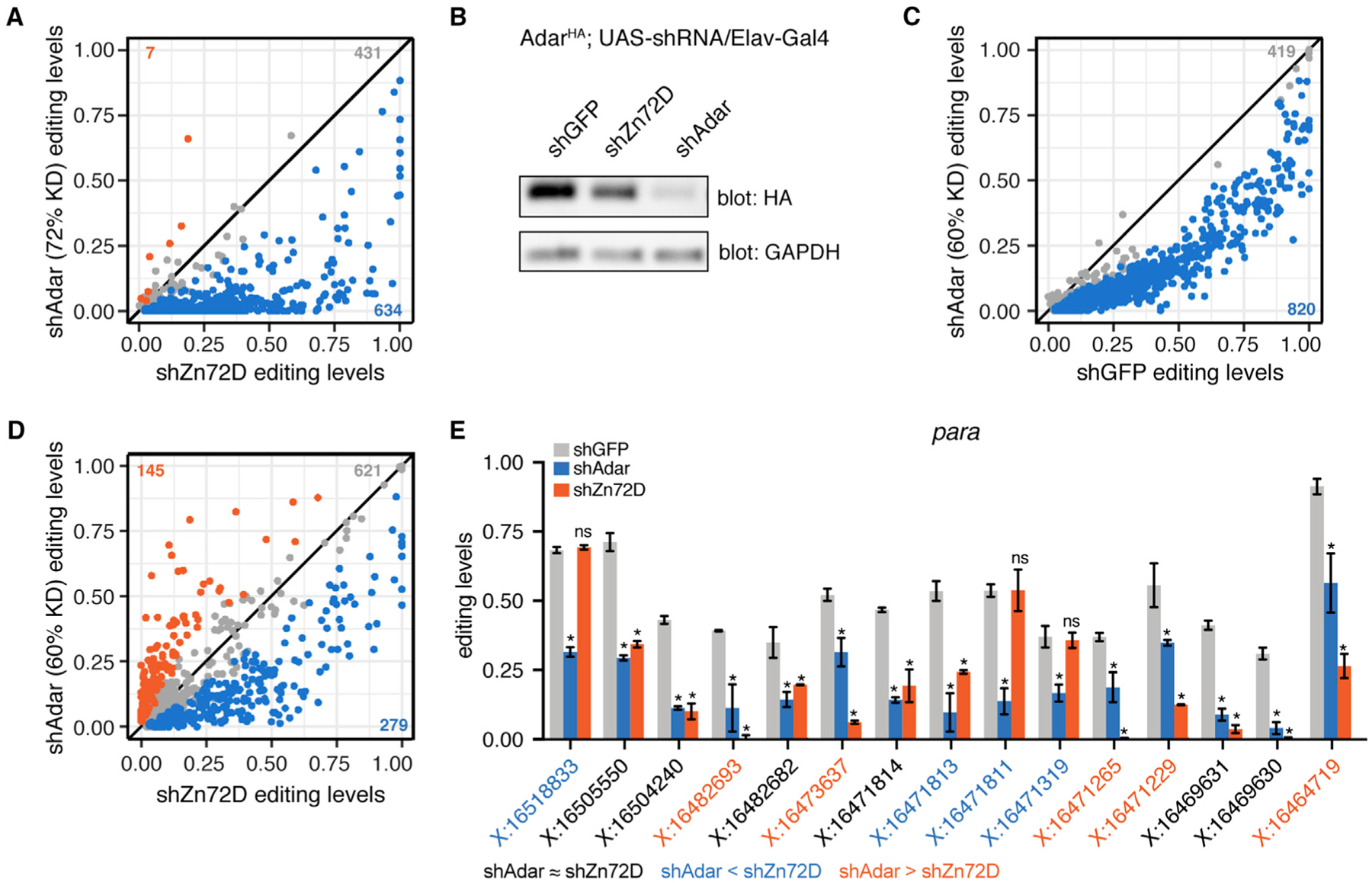
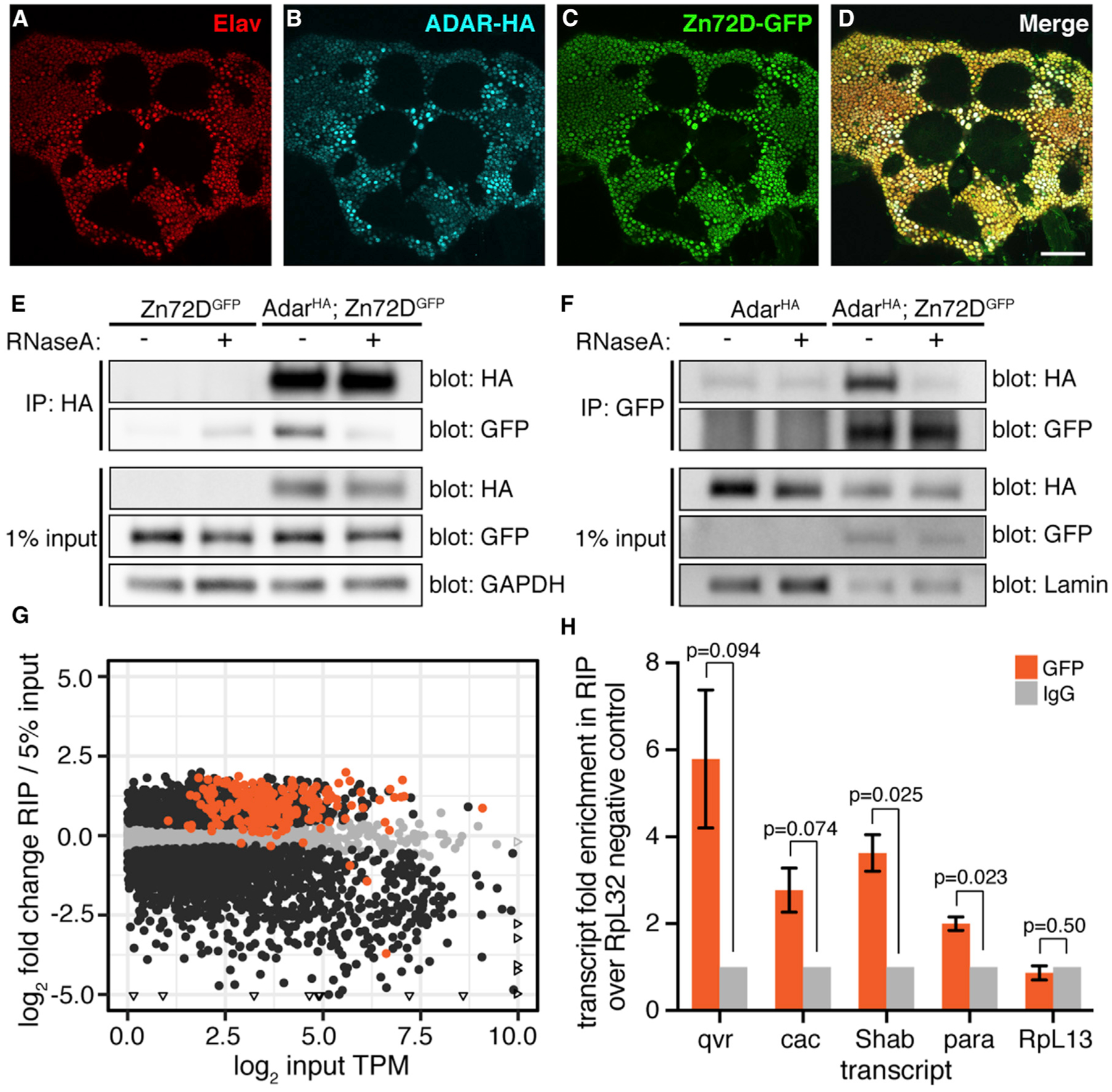
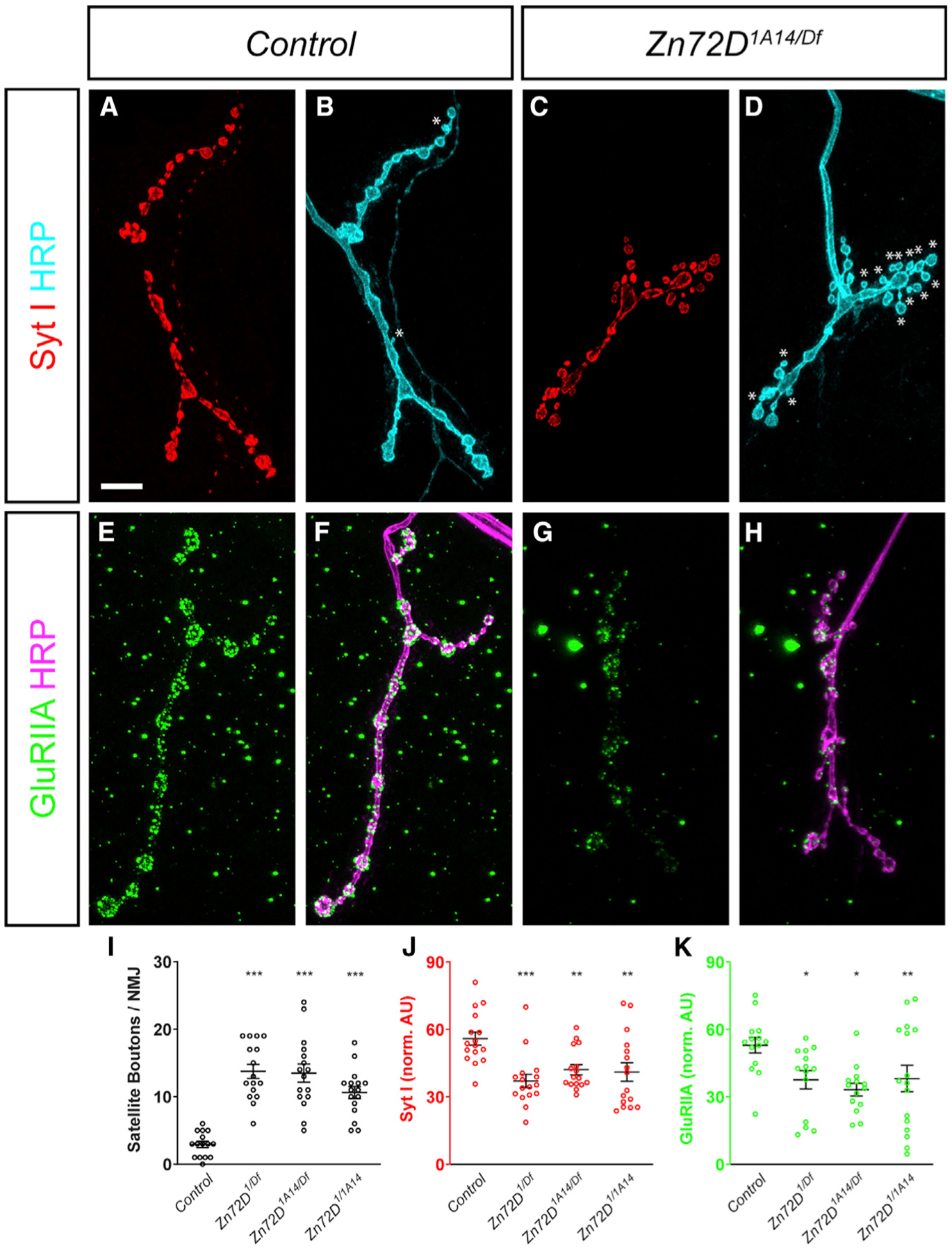
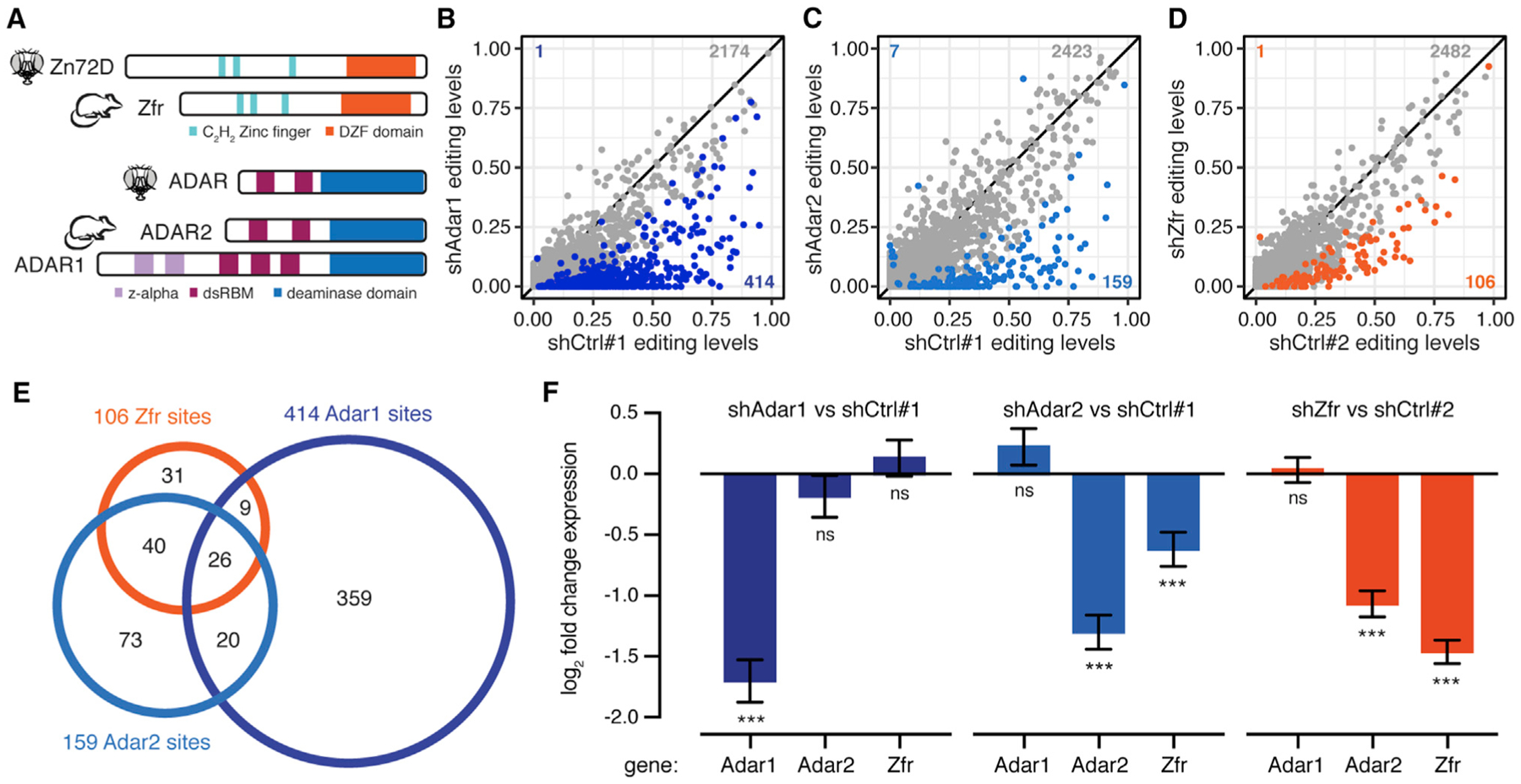
Adenosine-to-inosine RNA editing, catalyzed by adenosine deaminase acting on RNA (ADAR) enzymes, alters RNA sequences from those encoded by DNA. These editing events are dynamically regulated, but few trans regulators of ADARs are known in vivo. Here, we screen RNA-binding proteins for roles in editing regulation with knockdown experiments in the Drosophila brain. We identify zinc-finger protein at 72D (Zn72D) as a regulator of editing levels at a majority of editing sites in the brain. Zn72D both regulates ADAR protein levels and interacts with ADAR in an RNA-dependent fashion, and similar to ADAR, Zn72D is necessary to maintain proper neuromuscular junction architecture and fly mobility. Furthermore, Zn72D's regulatory role in RNA editing is conserved because the mammalian homolog of Zn72D, Zfr, regulates editing in mouse primary neurons. The broad and conserved regulation of ADAR editing by Zn72D in neurons sustains critically important editing events.
Keywords: A-to-I RNA editing; Adar; Zn72D; neuromuscular junction.
Copyright © 2020 The Author(s). Published by Elsevier Inc. All rights reserved.
Conflict of interest statement
Declaration of Interests The authors declare no competing interests.
Figures
References
-
- Behm M, Wahlstedt H, Widmark A, Eriksson M, and Öhman M (2017). Accumulation of nuclear ADAR2 regulates adenosine-to-inosine RNA editing during neuronal development. J. Cell Sci 130, 745–753. - PubMed
-
- Benjamini Y, and Hochberg Y (1995). Controlling the False Discovery Rate: A Practical and Powerful Approach to Multiple Testing. J. R. Stat. Soc. B 57, 289–300.
Publication types
MeSH terms
Substances
Grants and funding
LinkOut - more resources
Full Text Sources
Molecular Biology Databases
Research Materials
