An integrated analysis of the competing endogenous RNA network and co-expression network revealed seven hub long non-coding RNAs in osteoarthritis
- PMID: 32435461
- PMCID: PMC7229307
- DOI: 10.1302/2046-3758.93.BJR-2019-0140.R2
An integrated analysis of the competing endogenous RNA network and co-expression network revealed seven hub long non-coding RNAs in osteoarthritis
Erratum in
-
Corrigenda.Bone Joint Res. 2021 Dec;10(12):844-845. doi: 10.1302/2046-3758.1012.BJR-2021-00001. Bone Joint Res. 2021. PMID: 34928170 Free PMC article. No abstract available.
Abstract
Aims: This study aimed to uncover the hub long non-coding RNAs (lncRNAs) differentially expressed in osteoarthritis (OA) cartilage using an integrated analysis of the competing endogenous RNA (ceRNA) network and co-expression network.
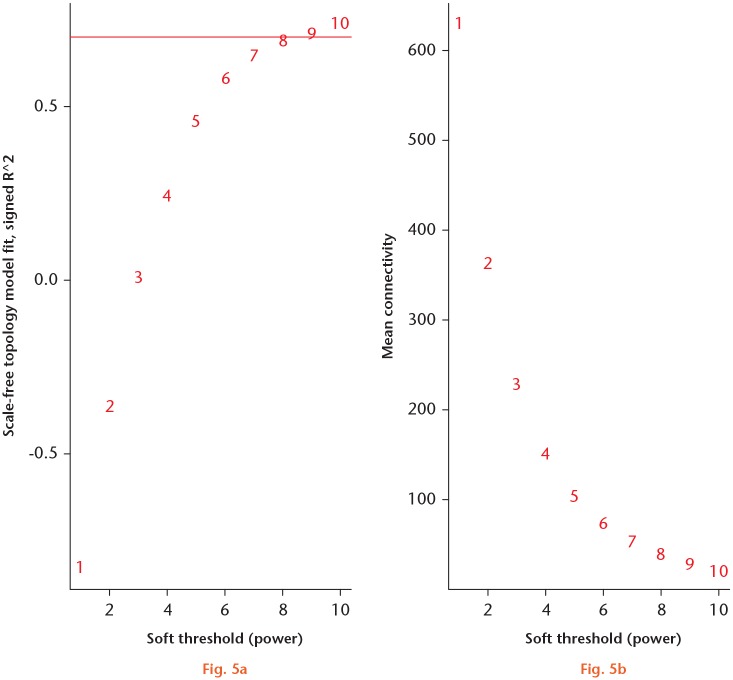
Methods: Expression profiles data of ten OA and ten normal tissues of human knee cartilage were obtained from the Gene Expression Omnibus (GEO) database (GSE114007). The differentially expressed messenger RNAs (DEmRNAs) and lncRNAs (DElncRNAs) were identified using the edgeR package. We integrated human microRNA (miRNA)-lncRNA/mRNA interactions with DElncRNA/DEmRNA expression profiles to construct a ceRNA network. Likewise, lncRNA and mRNA expression profiles were used to build a co-expression network with the WGCNA package. Potential hub lncRNAs were identified based on an integrated analysis of the ceRNA network and co-expression network. StarBase and Multi Experiment Matrix databases were used to verify the lncRNAs.
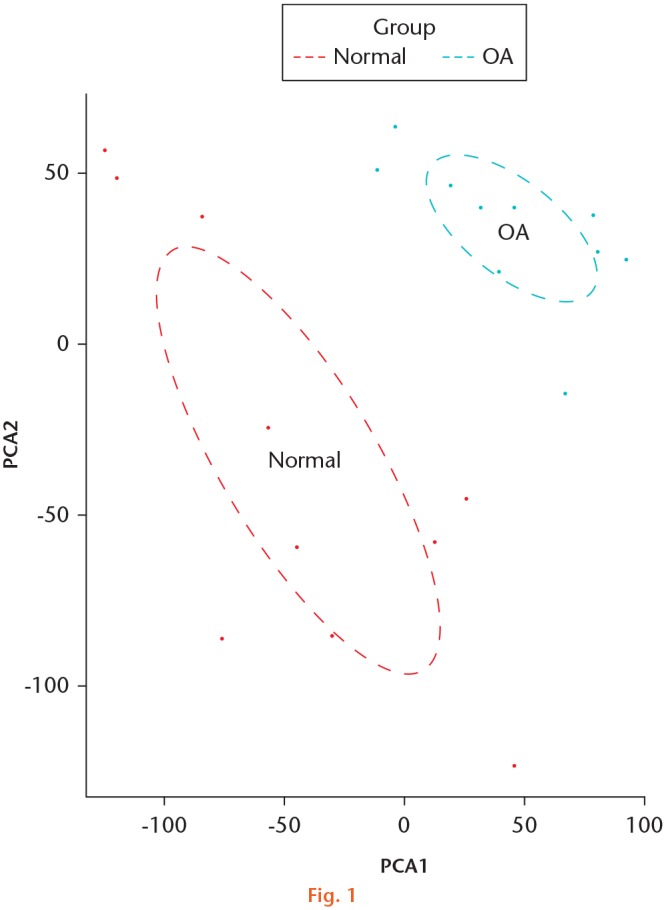
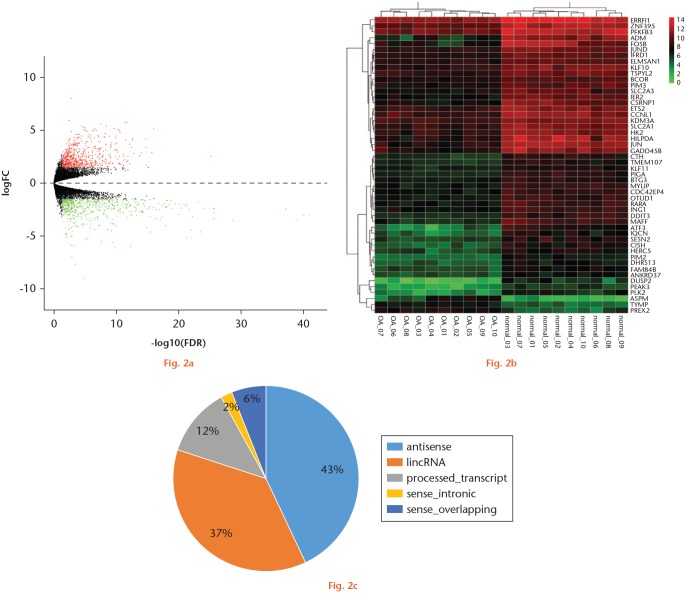
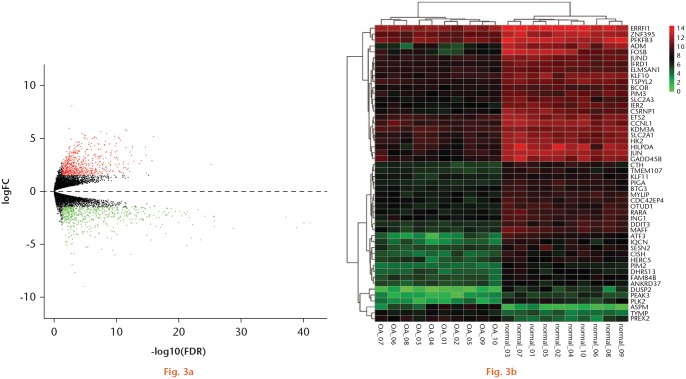
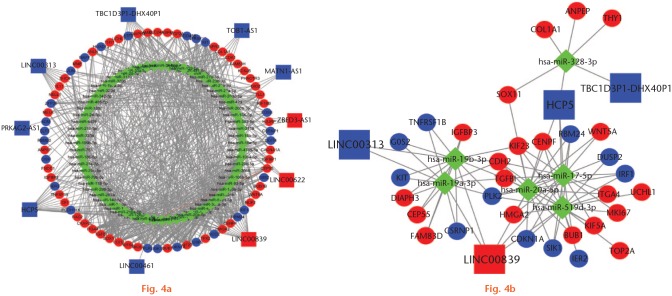
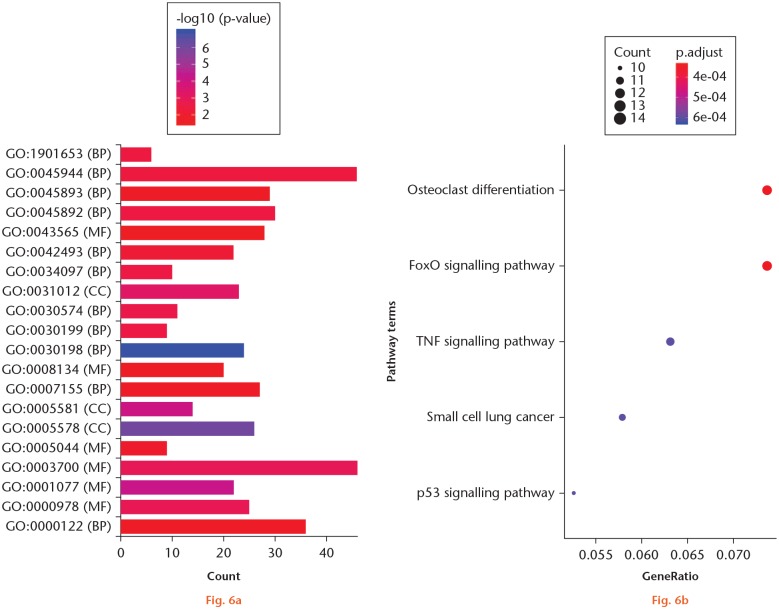
Results: We detected 1,212 DEmRNAs and 49 DElncRNAs in OA and normal knee cartilage. A total of 75 dysregulated lncRNA-miRNA interactions and 711 dysregulated miRNA-mRNA interactions were obtained in the ceRNA network, including ten DElncRNAs, 69 miRNAs, and 72 DEmRNAs. Similarly, 1,330 dysregulated lncRNA-mRNA interactions were used to construct the co-expression network, which included ten lncRNAs and 407 mRNAs. We finally identified seven hub lncRNAs, named MIR210HG, HCP5, LINC00313, LINC00654, LINC00839, TBC1D3P1-DHX40P1, and ISM1-AS1. Subsequent enrichment analysis elucidated that these lncRNAs regulated extracellular matrix organization and enriched in osteoclast differentiation, the FoxO signalling pathway, and the tumour necrosis factor (TNF) signalling pathway in the development of OA.
Conclusion: The integrated analysis of the ceRNA network and co-expression network identified seven hub lncRNAs associated with OA. These lncRNAs may regulate extracellular matrix changes and chondrocyte homeostasis in OA progress.Cite this article: Bone Joint Res. 2020;9(3):90-98.
Keywords: Competing endogenous RNA; Long non-coding RNA; Osteoarthritis.
© 2020 Author(s) et al.
Conflict of interest statement
ICMJE COI statement: None declared
Figures
References
-
- Hunter DJ, Bierma-Zeinstra S. Osteoarthritis. Lancet. 2019;393(10182):1745-1759. - PubMed