


Histone Deacetylase Inhibitors: A Novel Strategy for Neuroprotection and Cardioprotection Following Ischemia/Reperfusion Injury
- PMID: 32441201
- PMCID: PMC7428975
- DOI: 10.1161/JAHA.120.016349
Histone Deacetylase Inhibitors: A Novel Strategy for Neuroprotection and Cardioprotection Following Ischemia/Reperfusion Injury
Abstract
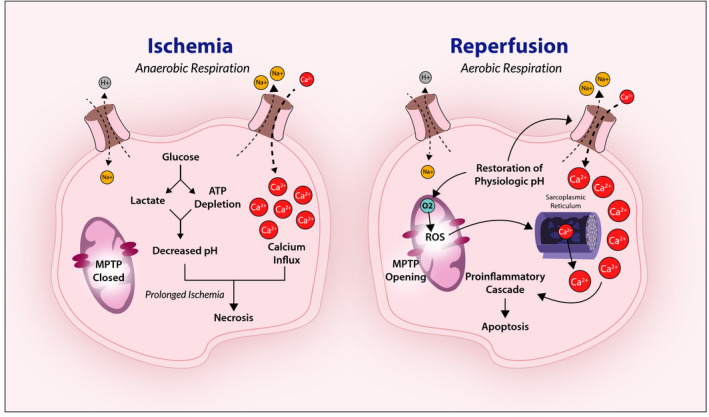
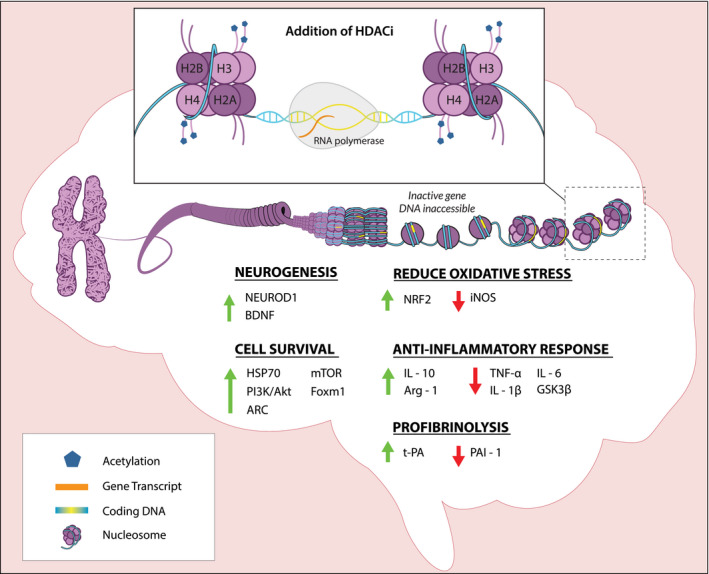
Ischemia/reperfusion injury is a complex molecular cascade that causes deleterious cellular damage and organ dysfunction. Stroke, sudden cardiac arrest, and acute myocardial infarction are the most common causes of ischemia/reperfusion injury without effective pharmacologic therapies. Existing preclinical evidence suggests that histone deacetylase inhibitors may be an efficacious, affordable, and clinically feasible therapy that can improve neurologic and cardiac outcomes following ischemia/reperfusion injury. In this review, we discuss the pathophysiology and epigenetic modulations of ischemia/reperfusion injury and focus on the neuroprotective and cardioprotective effects of histone deacetylase inhibitors. We also summarize the protective effects of histone deacetylase inhibitors for other vital organs and highlight the key research priorities for their successful translation to the bedside.
Keywords: cardiac arrest; epigenetics; histone deacetylase inhibitors; myocardial infarction; stroke.
Figures
References
-
- Ordy JM, Wengenack TM, Bialobok P, Coleman PD, Rodier P, Baggs RB, Dunlap WP, Kates B. Selective vulnerability and early progression of hippocampal CA1 pyramidal cell degeneration and GFAP‐positive astrocyte reactivity in the rat four‐vessel occlusion model of transient global ischemia. Exp Neurol. 1993;119:128–139. - PubMed
-
- Neumar RW. Molecular mechanisms of ischemic neuronal injury. Ann Emerg Med. 2000;36:483–506. - PubMed
Publication types
MeSH terms
Substances
Grants and funding
LinkOut - more resources
Full Text Sources
