


Is continuous catheter adductor canal block better than single-shot canal adductor canal block in primary total knee arthroplasty?: A GRADE analysis of the evidence through a systematic review and meta-analysis
- PMID: 32443383
- PMCID: PMC7254479
- DOI: 10.1097/MD.0000000000020320
Is continuous catheter adductor canal block better than single-shot canal adductor canal block in primary total knee arthroplasty?: A GRADE analysis of the evidence through a systematic review and meta-analysis
Abstract
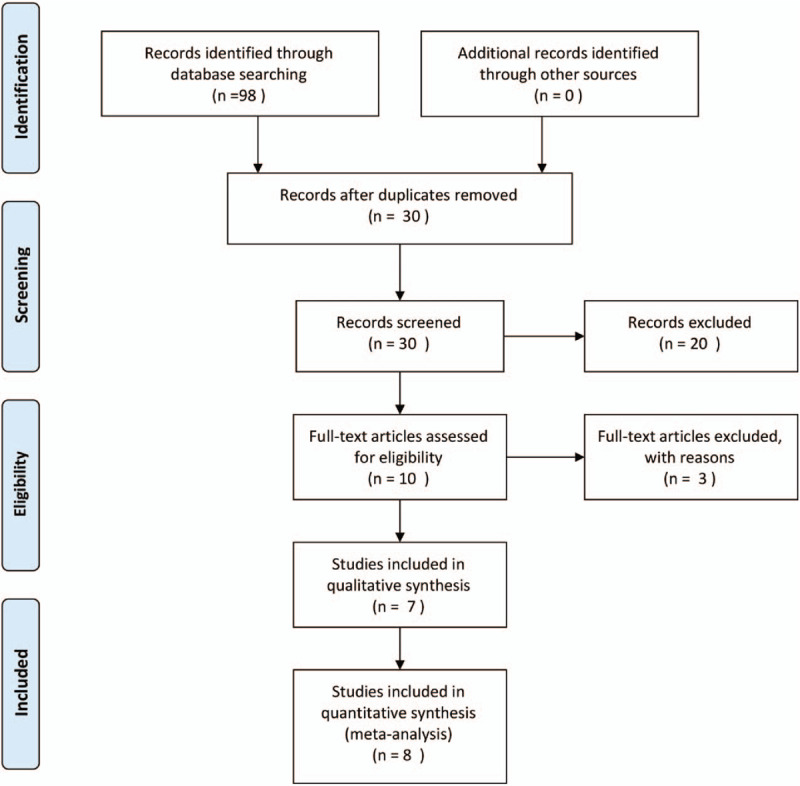
Background: The adductor canal block (ACB) has emerged as an alternative to the femoral nerve block (FNB) after total knee arthroplasty. This meta-analysis was conducted to investigate which ACB method provides better pain relief and functional recovery after total knee arthroplasty METHODS:: We conducted a meta-analysis to identify randomized controlled trials involving single-shot adductor canal block (SACB) and continuous catheter ACB (CACB) after TKA up to December 2019 by searching databases including the PubMed, Web of Science, Embase, Cochrane Controlled Trials Register, Cochrane Library, CBM, CNKI, VIP, and Wanfang databases. Finally, we included 8 randomized controlled trials involving 702 knees in our study. We used Review Manager Software and Grading of Recommendations Assessment, Development, and Evaluation profiler to perform the meta-analysis.
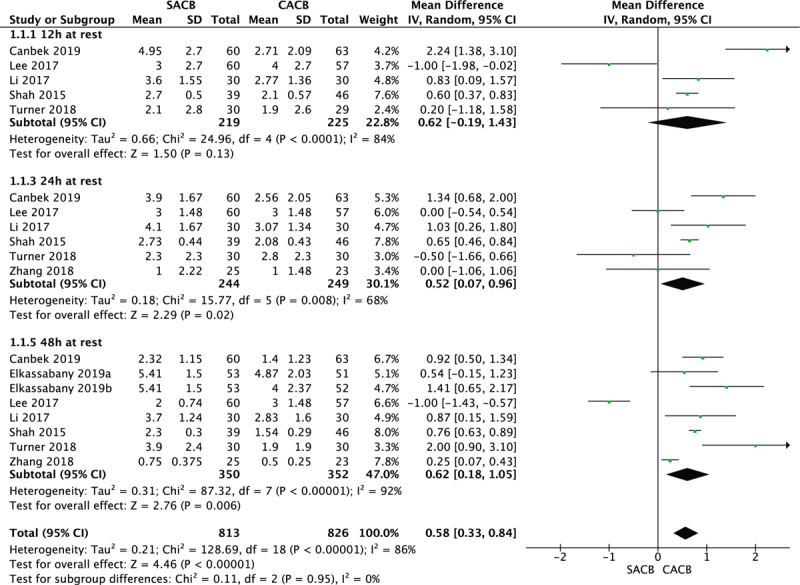
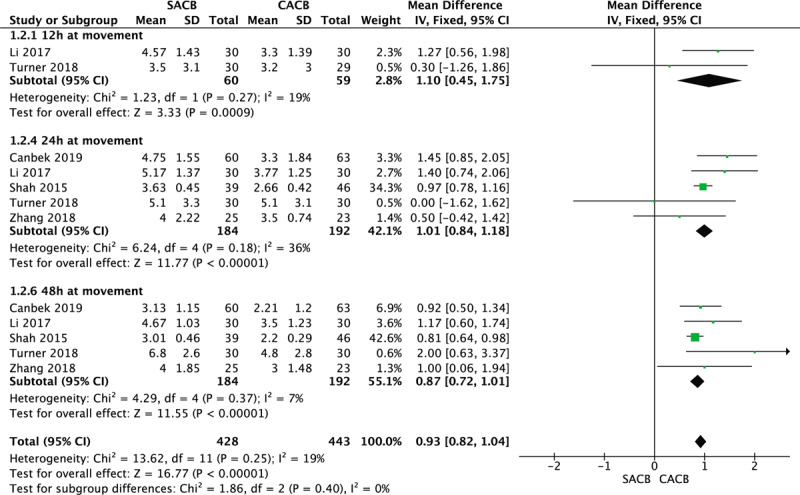
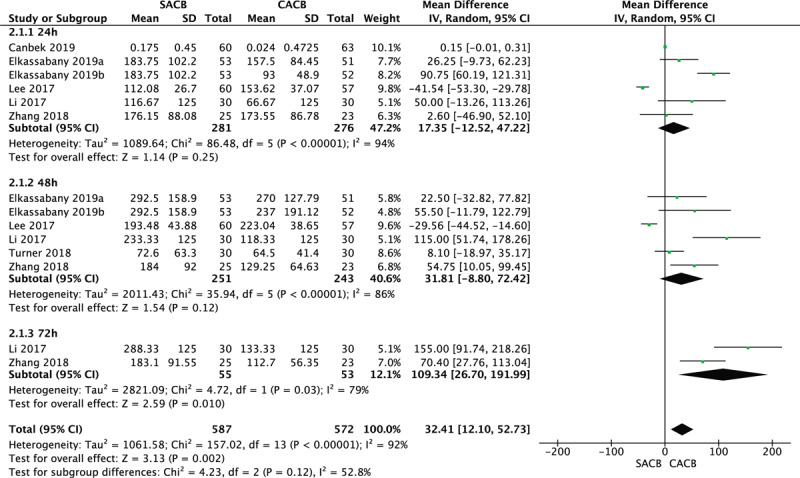
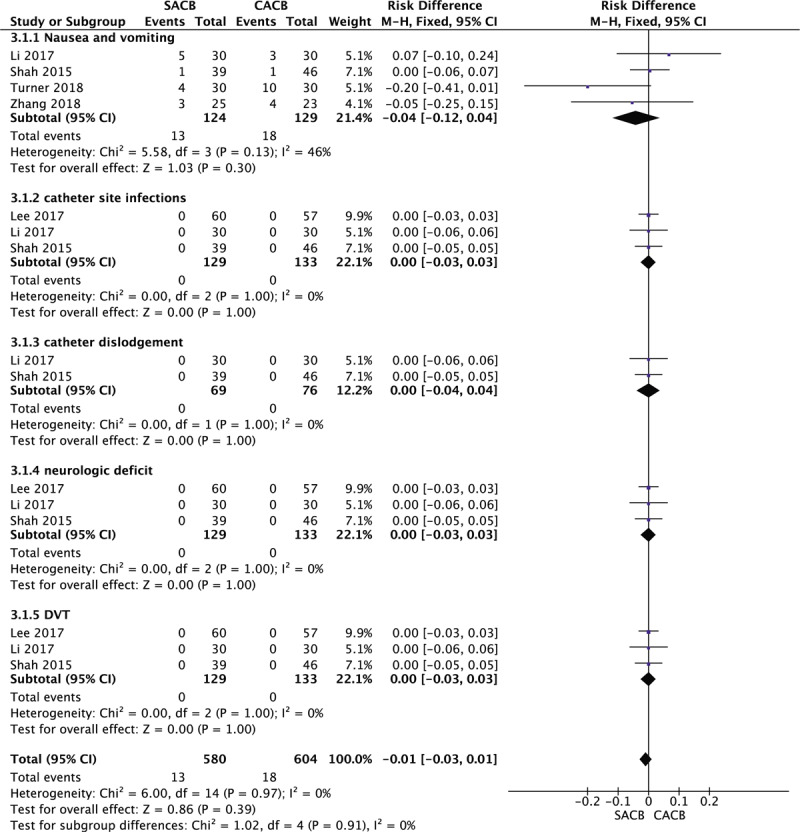
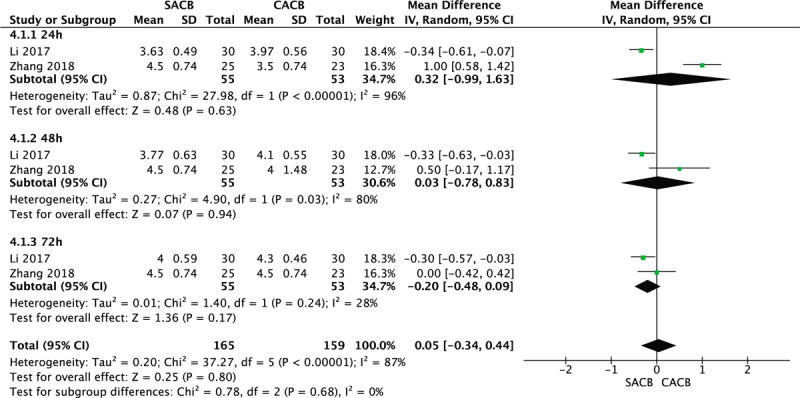
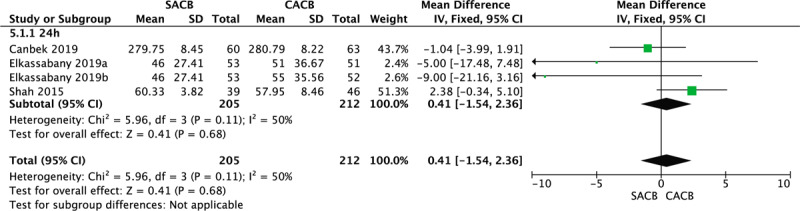
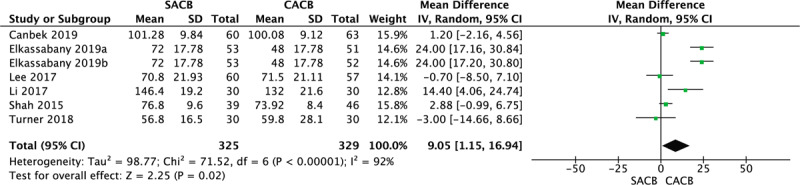
Results: Compared with SACB, CACB can achieve better postoperative pain relief at 24 and 48 h both at rest and after mobilization, lower amount of opioid consumption at 72 h, a shorter length of hospital stay (LOH) and larger range of motion (ROM). In addition, the Timed Up and Go (TUG) test results; quadriceps strength; and incidence of complications, including postoperative nausea and vomiting, DVT, catheter-related infections, catheter dislodgement and neurologic deficits, showed no significant difference between the two ACB methods.
Conclusion: The results of this study demonstrate that CACB is an effective alternative to SACB and can provide better pain relief, a shorter LOH, more degrees of maximum flexion and a lower amount of opioid consumption over time, but it provides a comparable level of recovery of quadriceps strength and mobility with a similar risk of catheter-related complications. Thus, CACB may be a better analgesia strategy than SACB after TKA at present.
Conflict of interest statement
The authors have no conflicts of interest to disclose.
Figures

References
-
- Gao F, Ma J, Sun W, et al. Adductor canal block versus femoral nerve block for analgesia after total knee arthroplasty: a systematic review and meta-analysis. Clin J Pain 2017;33:356–68. - PubMed
-
- Jæger P, Zaric D, Fomsgaard JS, et al. Adductor canal block versus femoral nerve block for analgesia after total knee arthroplasty: a randomized, double-blind study. Reg Anesth Pain Med 2013;38:526–32. - PubMed
-
- Hanson NA, Allen CJ, Hostetter LS, et al. Continuous ultrasound-guided adductor canal block for total knee arthroplasty: a randomized, double-blind trial. Anesth Analg 2014;118:1370–7. - PubMed
-
- Li D, Yang Z, Xie X, et al. Adductor canal block provides better performance after total knee arthroplasty compared with femoral nerve block: a systematic review and meta-analysis. Int Orthop 2016;40:925–33. - PubMed
-
- Zhao XQ, Jiang N, Yuan FF, et al. The comparison of adductor canal block with femoral nerve block following total knee arthroplasty: a systematic review with meta-analysis. J Anesth 2016;30:745–54. - PubMed
Publication types
MeSH terms
Substances
LinkOut - more resources
Full Text Sources
Medical
