


A Design of Experiment Approach for Surface Roughness Comparisons of Foam Injection-Moulding Methods
- PMID: 32443909
- PMCID: PMC7287706
- DOI: 10.3390/ma13102358
A Design of Experiment Approach for Surface Roughness Comparisons of Foam Injection-Moulding Methods
Abstract
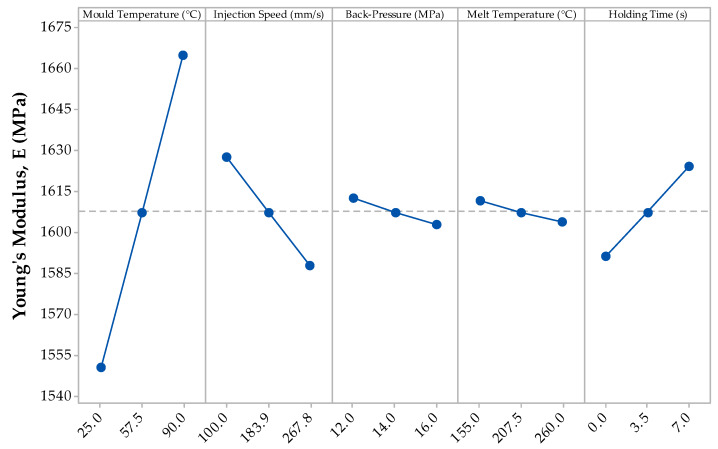
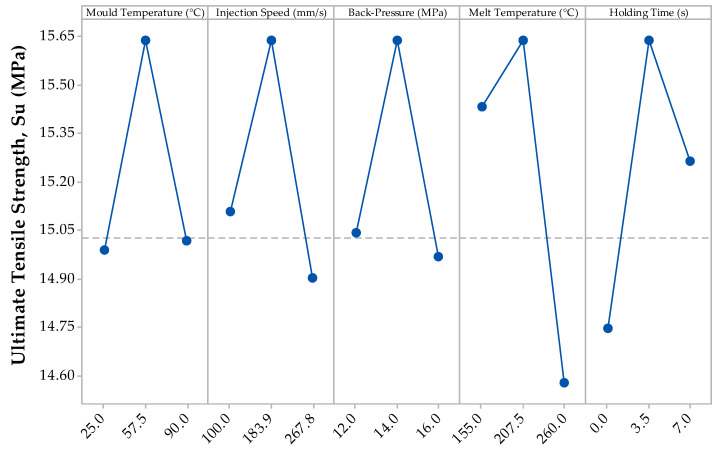
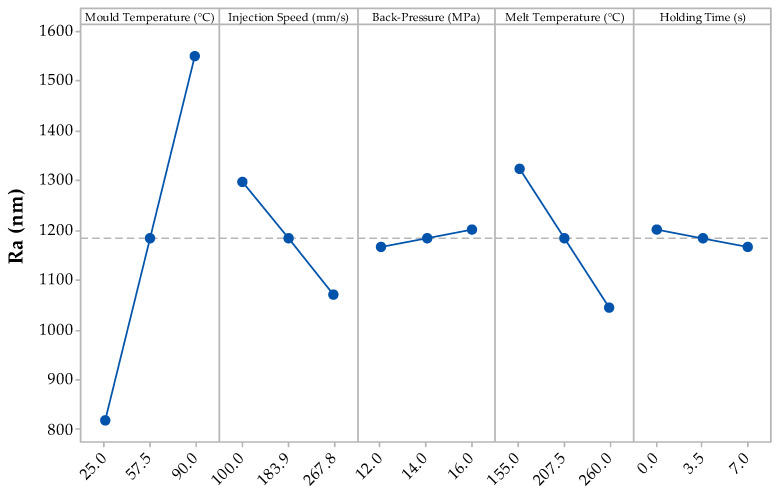
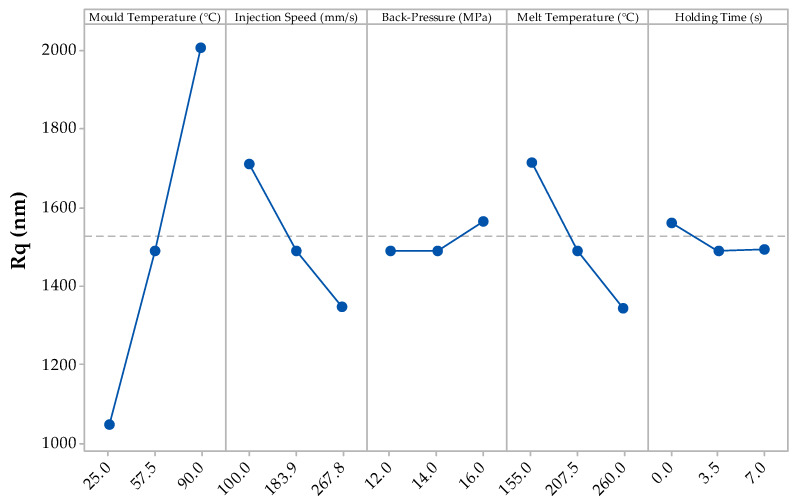
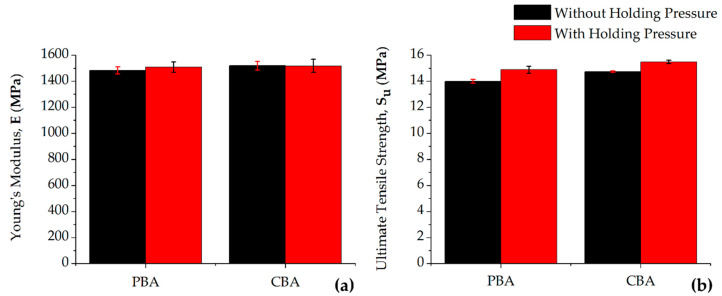
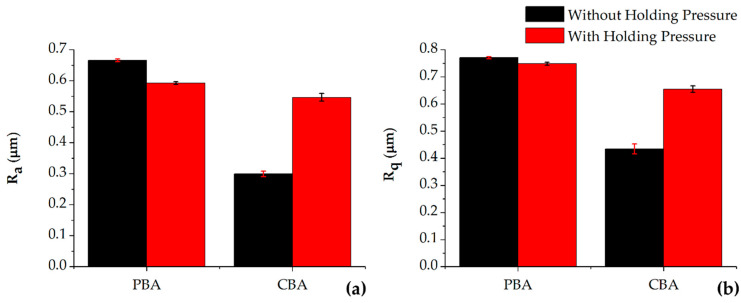
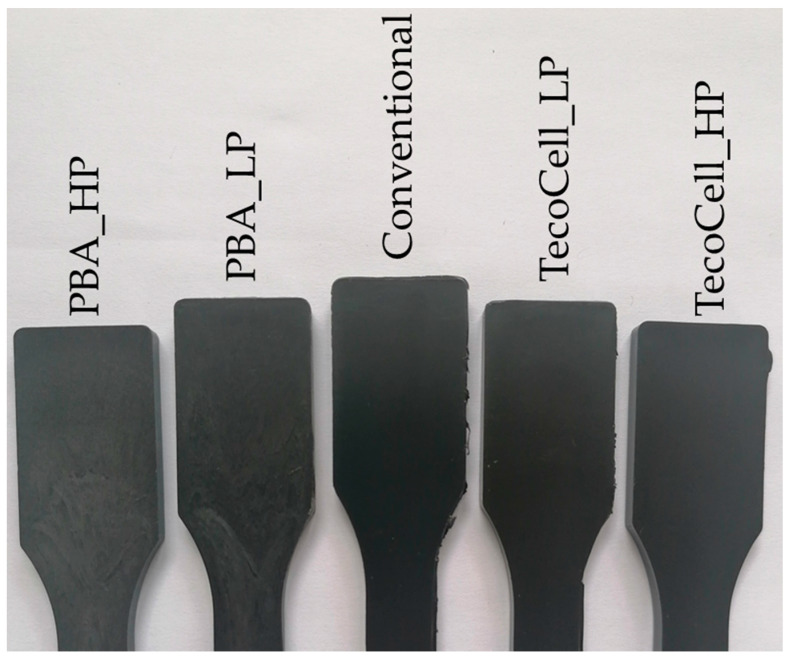
The pursuit of polymer parts produced through foam injection moulding (FIM) that have a comparable surface roughness to conventionally processed components are of major relevance to expand the application of FIM. Within this study, 22% talc-filled copolymer polypropylene (PP) parts were produced through FIM using both a physical and chemical blowing agent. A design of experiments (DoE) was performed whereby the processing parameters of mould temperatures, injection speeds, back-pressure, melt temperature and holding time were varied to determine their effect on surface roughness, Young's modulus and tensile strength. The results showed that mechanical performance can be improved when processing with higher mould temperatures and longer holding times. Also, it was observed that when utilising chemical foaming agents (CBA) at low-pressure, surface roughness comparable to that obtained from conventionally processed components can be achieved. This research demonstrates the potential of FIM to expand to applications whereby weight saving can be achieved without introducing surface defects, which has previously been witnessed within FIM.
Keywords: Foam Injection Moulding; MuCell®; Polypropylene; Talc; TecoCell®.
Conflict of interest statement
The authors declare no conflict of interest.
Figures
References
-
- Yusa A., Yamamoto S., Goto H., Uezono H., Asaoka F., Wang L., Ando M., Ishihara S., Ohshima M. A new microcellular foam injection-molding technology using non-supercritical fluid physical blowing agents. Polym. Eng. Sci. 2016;57:105–113. doi: 10.1002/pen.24391. - DOI
-
- Gómez-Monterde J., Hain J., Sánchez-Soto M., Maspoch M.L. Microcellular injection moulding: A comparison between MuCell process and the novel micro-foaming technology IQ Foam. J. Mater. Process. Technol. 2019;268:162–170. doi: 10.1016/j.jmatprotec.2019.01.015. - DOI
-
- Wu H., Zhao G., Wang G., Zhang W., Li Y. A new core-back foam injection molding method with chemical blowing agents. Mater. Des. 2018;144:331–342. doi: 10.1016/j.matdes.2018.02.043. - DOI
Grants and funding
LinkOut - more resources
Full Text Sources
Miscellaneous
