


Human adipose-derived mesenchymal stem cells for acute and sub-acute TBI
- PMID: 32453741
- PMCID: PMC7250455
- DOI: 10.1371/journal.pone.0233263
Human adipose-derived mesenchymal stem cells for acute and sub-acute TBI
Erratum in
-
Correction: Human adipose-derived mesenchymal stem cells for acute and sub-acute TBI.PLoS One. 2021 Dec 14;16(12):e0261599. doi: 10.1371/journal.pone.0261599. eCollection 2021. PLoS One. 2021. PMID: 34905584 Free PMC article.
Abstract
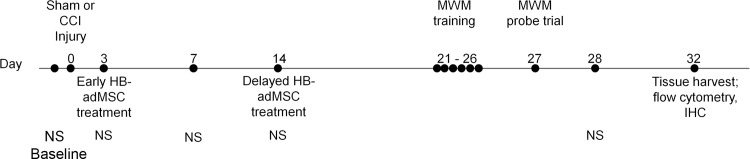
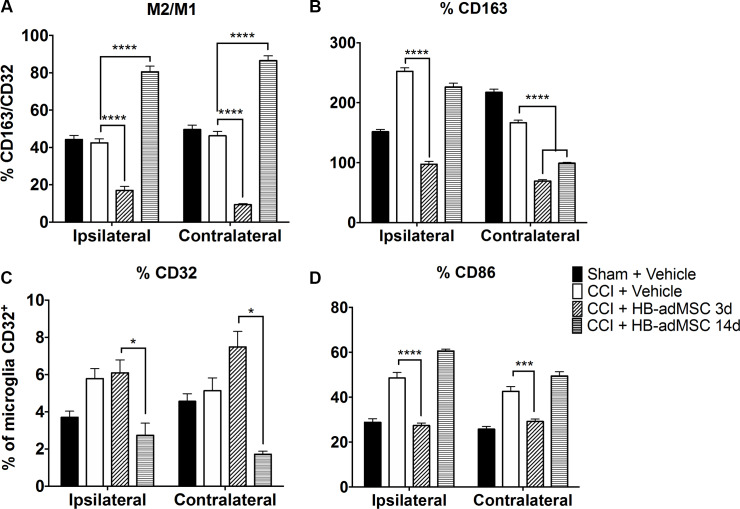
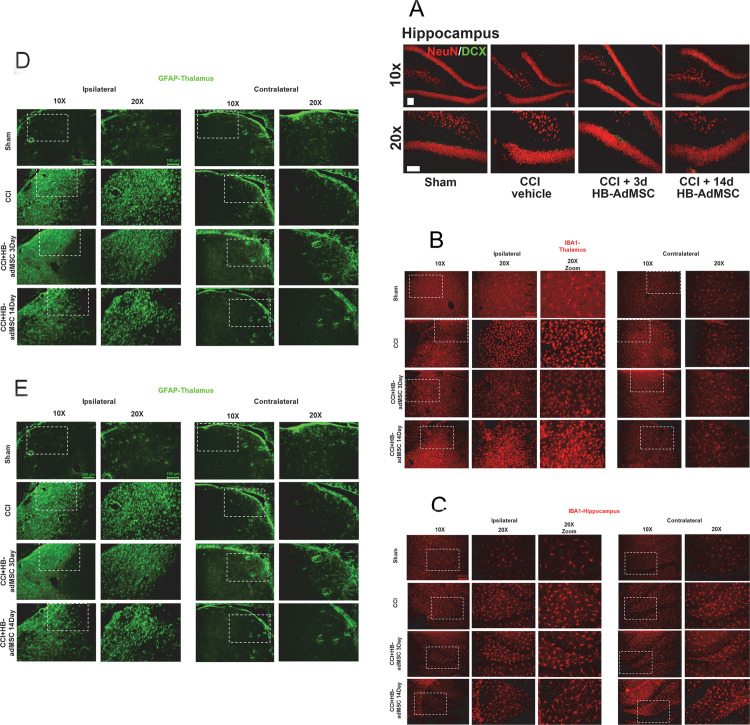
In the U.S., approximately 1.7 million people suffer traumatic brain injury each year, with many enduring long-term consequences and significant medical and rehabilitation costs. The primary injury causes physical damage to neurons, glia, fiber tracts and microvasculature, which is then followed by secondary injury, consisting of pathophysiological mechanisms including an immune response, inflammation, edema, excitotoxicity, oxidative damage, and cell death. Most attempts at intervention focus on protection, repair or regeneration, with regenerative medicine becoming an intensively studied area over the past decade. The use of stem cells has been studied in many disease and injury models, using stem cells from a variety of sources and applications. In this study, human adipose-derived mesenchymal stromal cells (MSCs) were administered at early (3 days) and delayed (14 days) time points after controlled cortical impact (CCI) injury in rats. Animals were routinely assessed for neurological and vestibulomotor deficits, and at 32 days post-injury, brain tissue was processed by flow cytometry and immunohistochemistry to analyze neuroinflammation. Treatment with HB-adMSC at either 3d or 14d after injury resulted in significant improvements in neurocognitive outcome and a change in neuroinflammation one month after injury.
Conflict of interest statement
The authors have read the journal's policy and the authors of this manuscript have the following competing interests: KAR, HP, and AD are paid employees of Hope Bio and have received salary support for their role in this study. SDO and CSC have both received research support from sponsored research agreements between the University of Texas Health Science Center at Houston and Hope Bio. SDO is a Guest Editor on the “Stem Cell Plasticity in Tissue Repair and Regeneration” Call for Papers for PLoS ONE. Hope Bio produces and markets HB-AdMSCs and HB-AdMSC-related products. There are no other patents, products in development or marketed products associated with this research to declare. This does not alter our adherence to PLOS ONE policies on sharing data and materials.
Figures


References
-
- Finkelstein E, Corso P, Miller T, associates. The Incidence and Economic Burden of Injuries in the United States. New York (NY): Oxford University Press; 2006.
Publication types
MeSH terms
LinkOut - more resources
Full Text Sources
Medical
Miscellaneous
