


Burnout and Stress Measurement in Police Officers: Literature Review and a Study With the Operational Police Stress Questionnaire
- PMID: 32457673
- PMCID: PMC7221164
- DOI: 10.3389/fpsyg.2020.00587
Burnout and Stress Measurement in Police Officers: Literature Review and a Study With the Operational Police Stress Questionnaire
Abstract
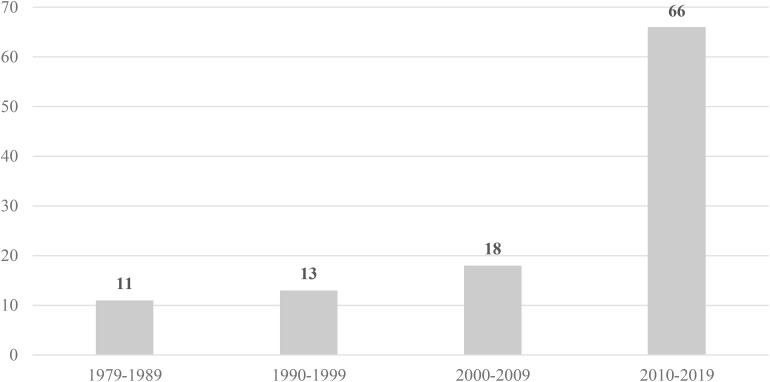
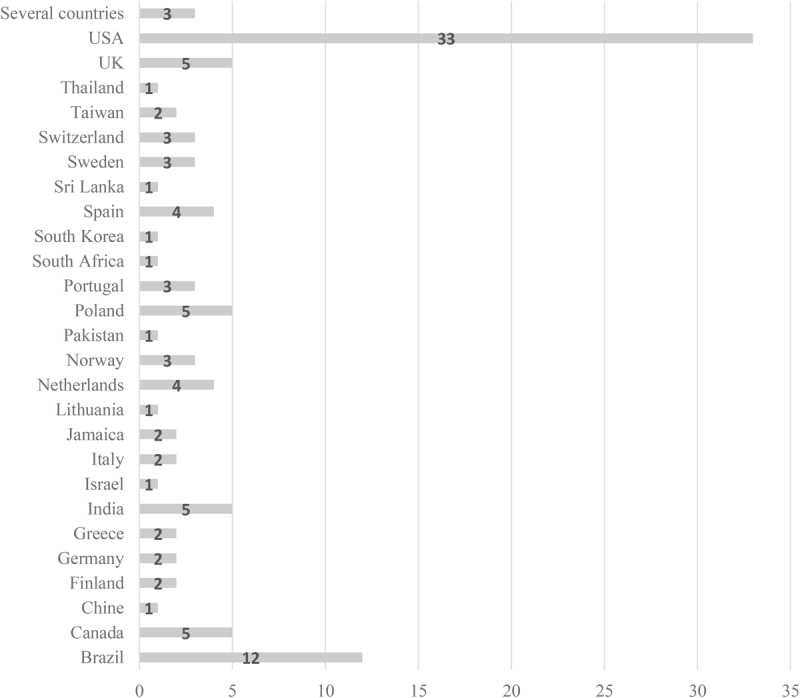
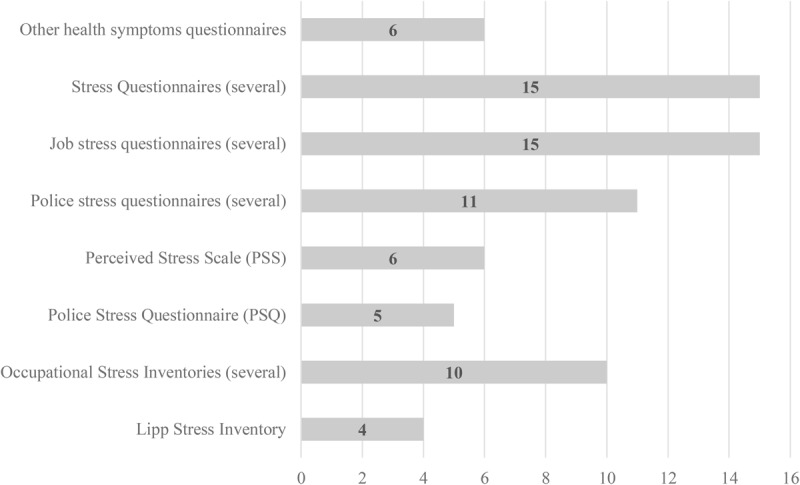
Research has demonstrated that policing is a stressful occupation and that this stress has a negative impact on police officers' mental and physical health, performance, and interactions with citizens. Mental health at the workplace has become a concern due to the costs of depression, anxiety, burnout, and even suicide, which is high among police officers. To ameliorate occupational health, it is therefore crucial to identify stress and burnout levels on a regular basis. However, the instruments frequently used to measure stress have not valorized the specificity of policing tasks. This study aims to: (i) conduct a literature review to identify questionnaires used to assess occupational stress and burnout among police officers; (ii) analyze the psychometric characteristics of a Portuguese version of Operational Police Stress Questionnaire (PSQ-Op); and, using the PSQ-Op and other questionnaires, (iii) to identify operational stress, burnout, and distress levels among Portuguese police officers. The literature review identified 108 studies which use a multiplicity of questionnaires to measure burnout or occupational stress among police officers, but few studies use specific police stress questionnaires. Sample sizes were mostly below 500 participants and studies were mainly developed in the last decade in the USA and Brazil, but also in another 24 countries, showing the extent of the interest in this topic. This study applied to 2057 police officers from the National Portuguese Police, a force policing urban centers, and used the PSQ-Op, as well the Spanish Burnout Inventory and the Kessler Psychological Distress Scale. The results show that the psychometric properties of the Portuguese version of PSQ-Op are adequate. Factorial analysis revealed two dimensions defined as social and work issues, which were associated with measures of distress and burnout. Fit indices suggested a second-order solution called operational police stress. Overall, and considering the scale range of each questionnaire, the results showed moderate values of operational stress, distress, and burnout. However, considering their cut-off points, 85% of the sample presented high operational stress levels, 11% critical values for burnout, and 28% high distress levels, with 55% of the sample at risk of a psychological disorder. These results reinforce the need to prevent stress and to invest in police officers' occupational health.
Keywords: burnout; distress; operational stress; police officers; questionnaire validation.
Copyright © 2020 Queirós, Passos, Bártolo, Marques, da Silva and Pereira.
Figures



References
-
- Adams I., Mastracci S. (2019). Police body-worn cameras: effects on officers’ burnout and perceived organizational support. Police Q. 22 5–30. 10.1177/1098611118783987 - DOI
-
- Agolla J. E. (2009). Occupational stress among police officers: the case of botswana police service. Res. J. Bus. Manag. 3 25–35. 10.3923/rjbm.2009.25.35 - DOI
-
- Aguayo R., Vargas C., Cañadas G. R., Fuente E. I. (2017). Are socio-demographic factors associated to burnout syndrome in police officers? A correlational meta-analysis. An. Psicol. 33 383–392. 10.6018/analesps.33.2.260391 - DOI
-
- Alberti J. M., Niñerola J., Figueras A., Higueras E., Gutiérrez M., Melero A., et al. (2016). Burnout symptoms can be predicted by personality traits and psychopathology in a sample of Catalan police officers. Pers. Individ. Diff. 101:516 10.1016/j.paid.2016.05.302 - DOI
-
- Albuerne M., Nieto M., Moreno L. (2015). Turnos y estrés psicosocial en los policías locales de Madrid. Ansiedad Estres 21 57–70.
LinkOut - more resources
Full Text Sources
Miscellaneous
