


Potential Food Application of a Biosurfactant Produced by Saccharomyces cerevisiae URM 6670
- PMID: 32457894
- PMCID: PMC7221129
- DOI: 10.3389/fbioe.2020.00434
Potential Food Application of a Biosurfactant Produced by Saccharomyces cerevisiae URM 6670
Abstract
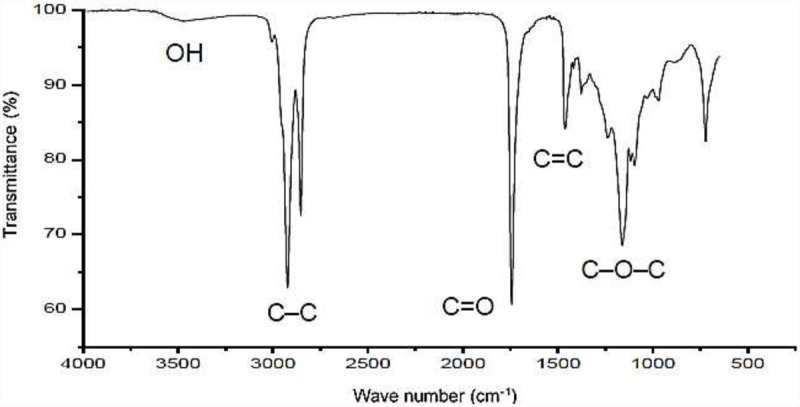
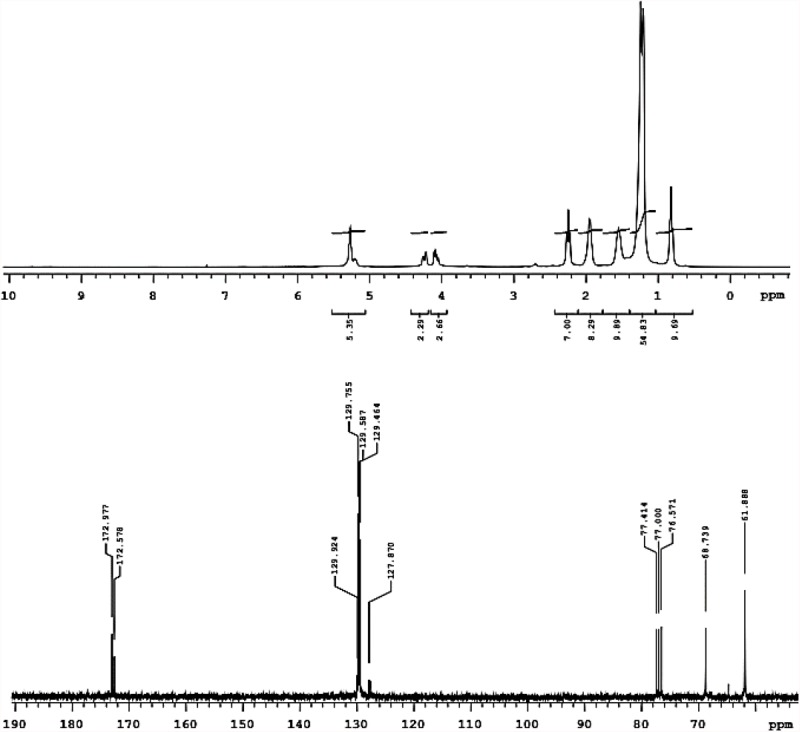
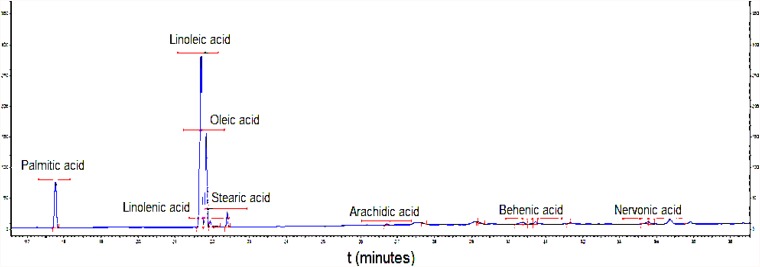
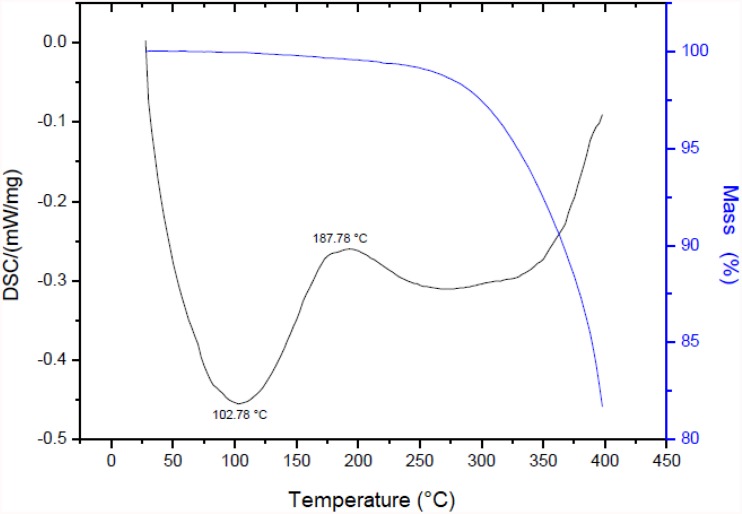
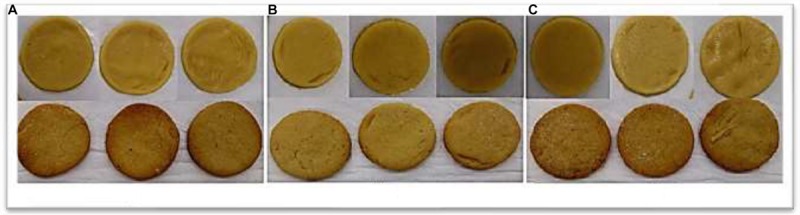
Biosurfactants have aroused considerable interest due to the possibility of acquiring useful products that are tolerant to processing techniques used in industries. Some yeasts synthesize biosurfactants that offer antioxidant activity and thermal resistance and have no risk of toxicity or pathogenicity, demonstrating potential use in food formulations. The aim of the present study was to assess the use of a biosurfactant produced by Saccharomyces cerevisiae URM 6670 to replace egg yolk in a cookie formulation. The yeast was grown in a medium containing 1% waste soybean oil and 1% corn steep liquor. The biosurfactant was isolated using a novel method and was structurally characterized using FT-IR, NMR, and GC/FID. Thermal stability was determined using thermogravimetry (TG)/differential scanning calorimetry (DSC) and antioxidant activity was investigated using three methods. Cytotoxicity tests were performed using the MTT assay with mouse fibroblast and macrophage lines. In the final step, the biosurfactant was incorporated into the formulation of a cookie dough replacing egg yolk. The physical properties and texture profile were analyzed before and after baking. The surface and interfacial tensions of the culture medium after the production process were 26.64 ± 0.06 and 9.12 ± 0.04 mN/m, respectively, and the biosurfactant concentration was 5.84 ± 0.17 g/L after isolation. In the structural characterization by NMR and FT-IR, the biosurfactant from S. cerevisiae exhibited a glycolipid structure, with the fatty acid profile revealing a high percentage of linoleic acid (50.58%). The thermal analysis demonstrated stability at the industrial application temperature, with the negligible loss of mass at temperatures of up to 200°C. The biosurfactant was non-toxic to the fibroblast and macrophage cell lines, with cell inhibition less than 15%. The incorporation of the biosurfactant into the cookie dough did not alter the physical or physicochemical properties of the product after baking. In the analysis of the texture profile before baking, the substitution of egg yolk with the biosurfactant did not alter the properties of firmness, cohesiveness, or elasticity compared to the standard formulation. Therefore, the biosurfactant produced by S. cerevisiae URM 6670 has potential applications in the food industry as a replacement for egg yolk.
Keywords: agro-industrial waste; antioxidant activity; biosurfactant; food; thermal analysis; yeast.
Copyright © 2020 Ribeiro, Guerra and Sarubbo.
Figures
References
-
- Akbari S., Abdurahman N. H., Yunus R. M., Fayaz F., Alara O. R. (2018). Biosurfactants—a new frontier for social and environmental safety: a mini review. Biotechnol. Res. Innov. 2 81–90. 10.1016/j.biori.2018.09.001 - DOI
-
- Alley M. C., Scudiero D. A., Monks A., Hursey M. L., Czerwinski M. J., Fine D. L., et al. (1988). Feasibility of drug screening with panels of human tumor cell lines using a microculture tetrazolium assay. Cancer Res. 48 589–601. - PubMed
-
- AOAC (2002). Association of Official Analytical Chemists, 17 Edn Washington, DC: AOAC.
-
- Atamalekia A., Sadani M., Raoofi A., Miri A., Bajestanie G. S., Fakhri Y., et al. (2020). The concentration of potentially toxic elements (PTEs) in eggs: a global systematic review, meta-analysis and probabilistic health risk assessment. Trends in Food Sci.Technol. 95 1–9. 10.1016/j.tifs.2019.11.003 - DOI
LinkOut - more resources
Full Text Sources
Molecular Biology Databases
Miscellaneous
