


Obesity and COVID-19: immune and metabolic derangement as a possible link to adverse clinical outcomes
- PMID: 32459524
- PMCID: PMC7322508
- DOI: 10.1152/ajpendo.00198.2020
Obesity and COVID-19: immune and metabolic derangement as a possible link to adverse clinical outcomes
Abstract
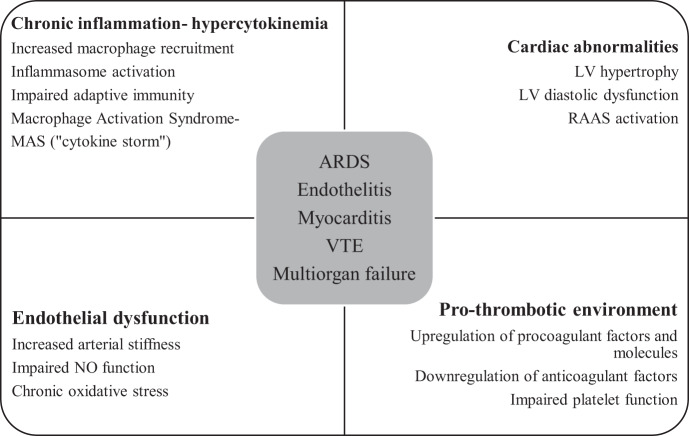
Recent reports have shown a strong association between obesity and the severity of COVID-19 infection, even in the absence of other comorbidities. After infecting the host cells, severe acute respiratory syndrome coronavirus 2 (SARS-CoV-2) may cause a hyperinflammatory reaction through the excessive release of cytokines, a condition known as "cytokine storm," while inducing lymphopenia and a disrupted immune response. Obesity is associated with chronic low-grade inflammation and immune dysregulation, but the exact mechanisms through which it exacerbates COVID-19 infection are not fully clarified. The production of increased amounts of cytokines such as TNFα, IL-1, IL-6, and monocyte chemoattractant protein (MCP-1) lead to oxidative stress and defective function of innate and adaptive immunity, whereas the activation of NOD-like receptor family pyrin domain containing 3 (NLRP3) inflammasome seems to play a crucial role in the pathogenesis of the infection. Endothelial dysfunction and arterial stiffness could favor the recently discovered infection of the endothelium by SARS-CoV-2, whereas alterations in cardiac structure and function and the prothrombotic microenvironment in obesity could provide a link for the increased cardiovascular events in these patients. The successful use of anti-inflammatory agents such as IL-1 and IL-6 blockers in similar hyperinflammatory settings, like that of rheumatoid arthritis, has triggered the discussion of whether such agents could be administrated in selected patients with COVID-19 disease.
Keywords: COVID-19; arterial stiffness; cytokines; immune system; obesity.
Conflict of interest statement
No conflicts of interest, financial or otherwise, are declared by the authors.
Figures
References
Publication types
MeSH terms
Substances
LinkOut - more resources
Full Text Sources
Medical
Miscellaneous
