. 2020 May 26;31(8):107687.
doi: 10.1016/j.celrep.2020.107687.

SIX2 Regulates Human β Cell Differentiation from Stem Cells and Functional Maturation In Vitro

Affiliations

SIX2 Regulates Human β Cell Differentiation from Stem Cells and Functional Maturation In Vitro

Leonardo Velazco-Cruz et al. Cell Rep. .

Abstract

Generation of insulin-secreting β cells in vitro is a promising approach for diabetes cell therapy. Human embryonic stem cells (hESCs) and human induced pluripotent stem cells (hiPSCs) are differentiated to β cells (SC-β cells) and mature to undergo glucose-stimulated insulin secretion, but molecular regulation of this defining β cell phenotype is unknown. Here, we show that maturation of SC-β cells is regulated by the transcription factor SIX2. Knockdown (KD) or knockout (KO) of SIX2 in SC-β cells drastically limits glucose-stimulated insulin secretion in both static and dynamic assays, along with the upstream processes of cytoplasmic calcium flux and mitochondrial respiration. Furthermore, SIX2 regulates the expression of genes associated with these key β cell processes, and its expression is restricted to endocrine cells. Our results demonstrate that expression of SIX2 influences the generation of human SC-β cells in vitro.

Keywords: SIX2; beta cells; diabetes; differentiation; insulin; islets; pluripotent stem cells; stem cells.


Conflict of interest statement

Declaration of Interests L.V.-C., N.J.H., and J.R.M. are inventors on patent applications relating to the differentiation procedure.

Figures
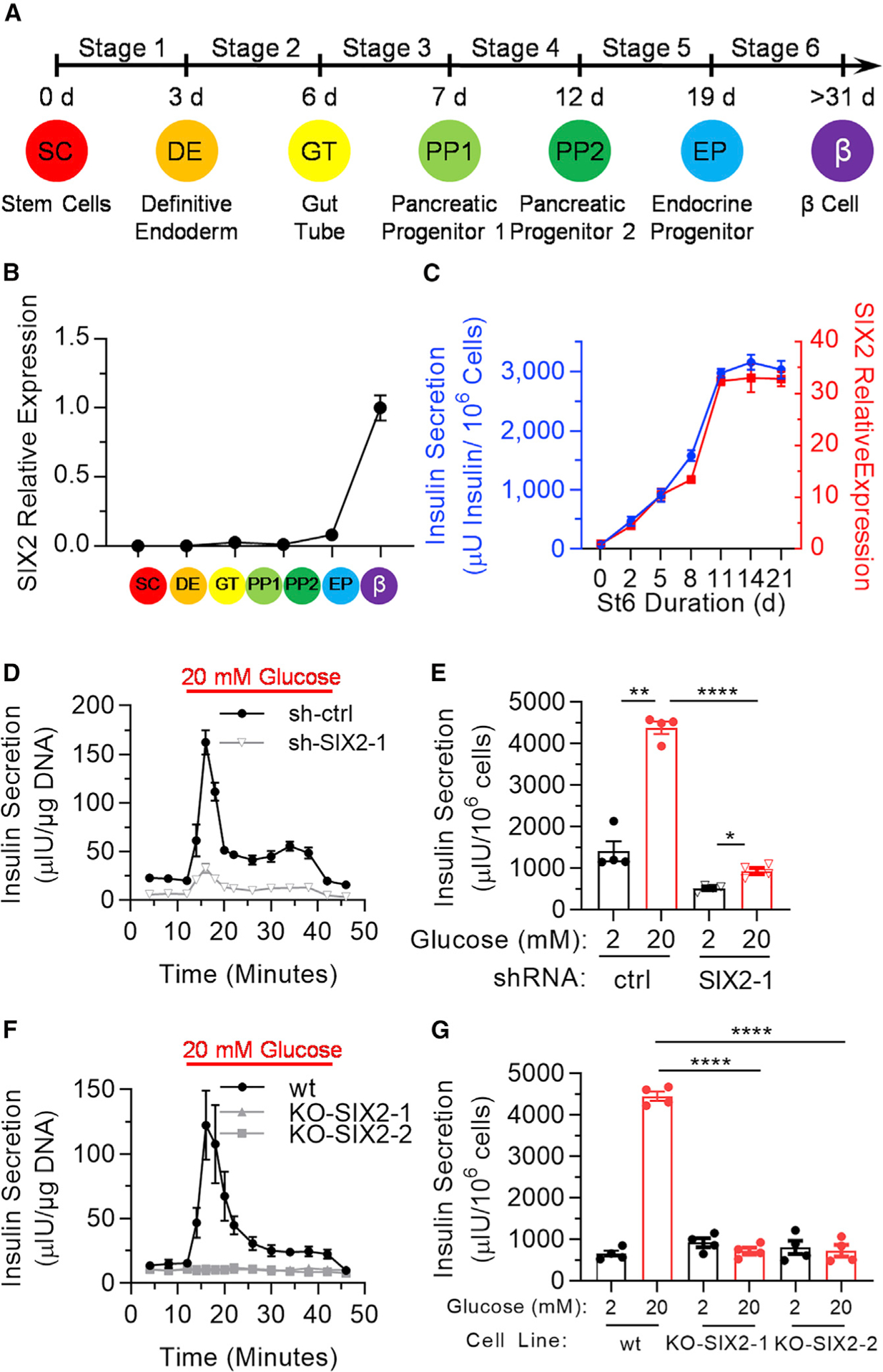
Figure 1.
Figure 1.. SIX2 Controls Glucose-Stimulated Insulin Secretion in Human SC-β Cells
(A) Schematic of hESC differentiation process. (B) Real-time PCR measurements of SIX2 in undifferentiated hESCs and at the end of each stage of the differentiation. Data are presented as the fold change relative to stage 6 cells. n = 3. (C) Real-time PCR measurements of SIX2 as a function of time in stage 6 plotted against insulin secretion of sampled cells placed in 20 mM glucose for 1 h. n = 4. (D) Dynamic glucose-stimulated insulin secretion of stage 6 cells transfected with control shRNA (shctrl; n = 3) or shRNA targeting SIX2 (sh-SIX2–1; n =4). Cells are perfused with 2 mM glucose, except when indicated, in a perifusion chamber. (E) Static glucose-stimulated insulin secretion of sh-ctrl or sh-SIX2–1 transduced stage 6 cells. n = 4. (F) Dynamic glucose-stimulated insulin secretion of wild-type (WT) (n = 4), KO-SIX2–1 (n = 3 technical replicates), or KO-SIX2–2 (n = 3 technical replicates) stage 6 cells. (G) Static glucose-stimulated insulin secretion of WT, KO-SIX2–1, or KO-SIX2–2 stage 6 cells. n = 4. All data in (B)–(E) were generated with cells from protocol 1 and all data in (F) and (G) were generated with cells from protocol 2. *p < 0.05, **p < 0.01, ****p < 0.0001 by 2-way paired (for low-high glucose comparison) or unpaired (for high-high glucose comparison) t test. Error bars represent s.e.m. See also Figure S1.
Figure 2.
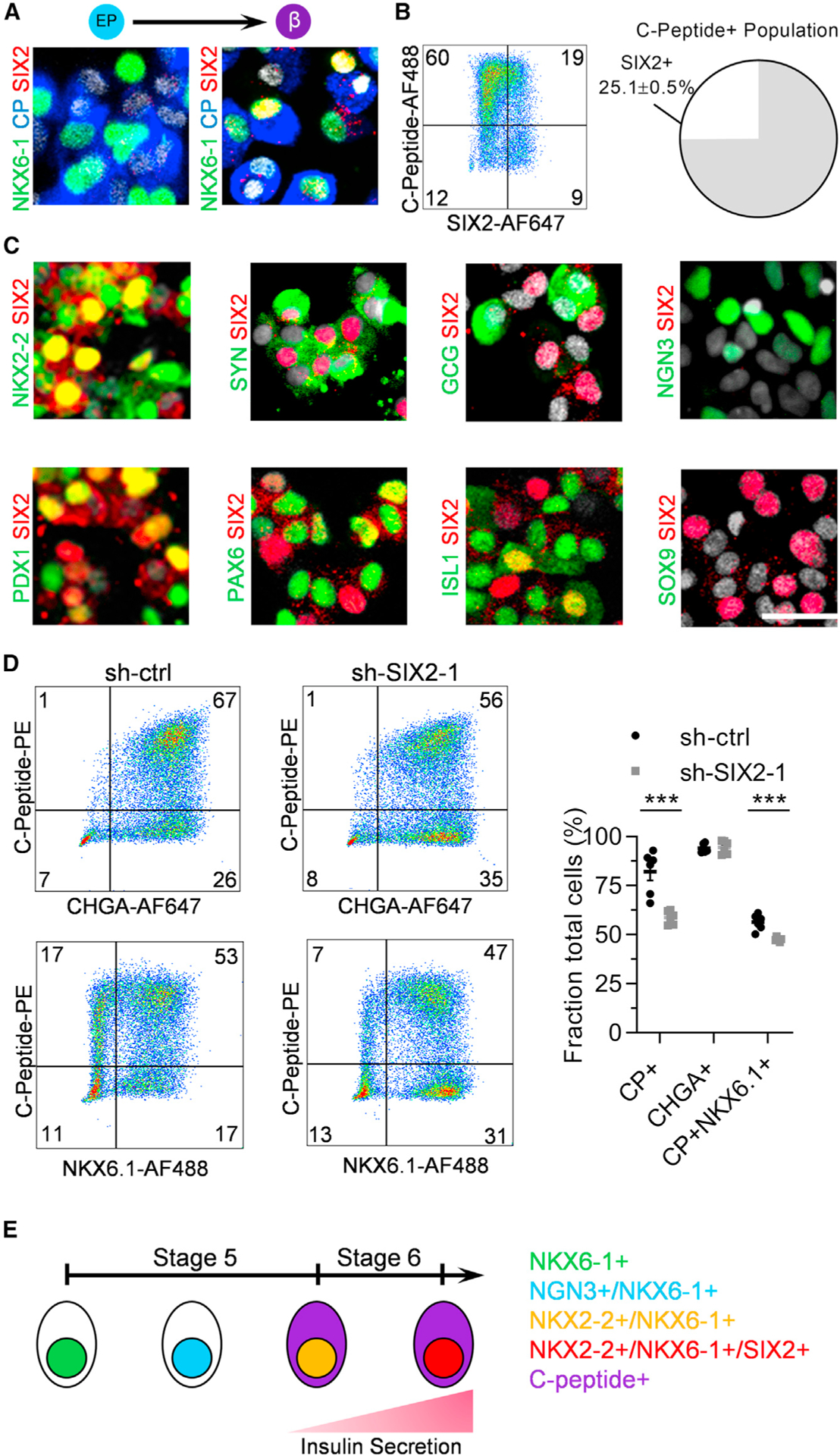
Figure 2.. Subtypes of Differentiated Stage 6 Cells Express SIX2
(A) Immunostaining of SIX2 with the β cell markers NKX6–1 and C-peptide at the end of stages 5 (left) and 6 (right). (B) Flow cytometric quantification of co-expression of C-peptide with SIX2. n = 4. (C) Immunostaining of SIX2 with a panel of pancreatic markers at the end of stage 6 with the exception of NGN3/SIX2, which was stained 3 days into stage 5. (D) Flow cytometric quantification of stage 6 cells staining for C-peptide, NKX6.1, and chromogranin A using sh-ctrl and sh-SIX2–1 transduced cells. n =6. ***p < 0.001 by 2-way unpaired t test. (E) Schematic summary of marker progression in stages 5 and 6. Scale bar, 25 mm. Error bars represent s.e.m. See also Figure S2.
Figure 3.
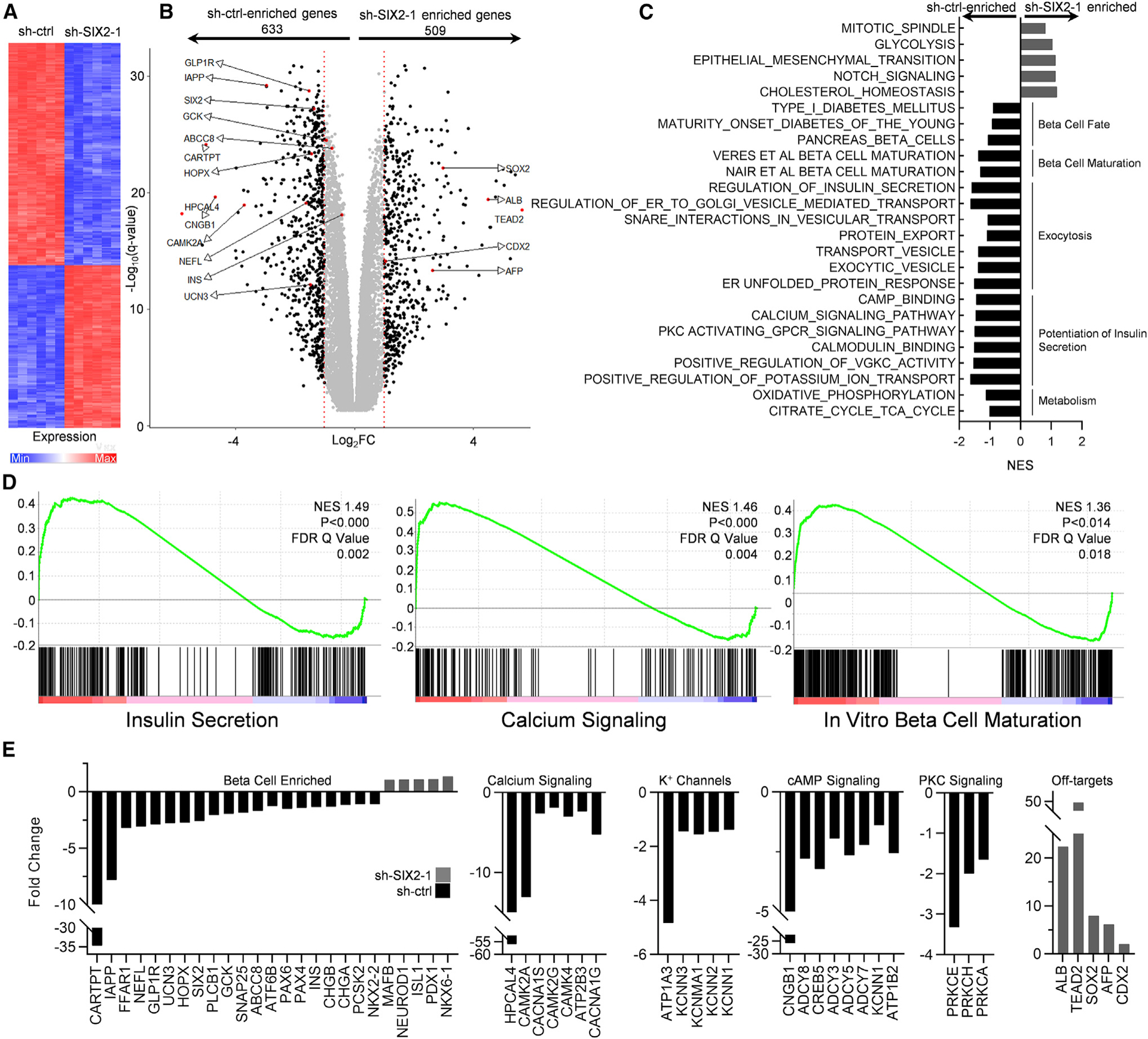
Figure 3.. SIX2 Regulates Important b Cell Genes and Gene Sets
(A) Heatmap of 1,000 most differentially expressed genes between stage 6 cells transduced with sh-ctrl and sh-SIX2–1 by p value. n = 6. (B) Volcano plot showing all differentially expressed genes. Genes with at least a 2-fold change (FC) are in black. Genes of particular interest are highlighted. (C) Selected enriched gene sets for important β cell processes from the Molecular Signatures Database. Also included 2 custom gene sets comprising 76 genes identified in Veres et al. (2019) and the top 424 genes identified in Nair et al. (2019) positively correlating with time and maturation in vitro. NES, normalized enrichment score. (D) Enrichment plots from the shown gene sets. (E) FCs from genes within enriched b cell-related gene sets. See also Figure S3 and Tables S1–S3.
Figure 4.
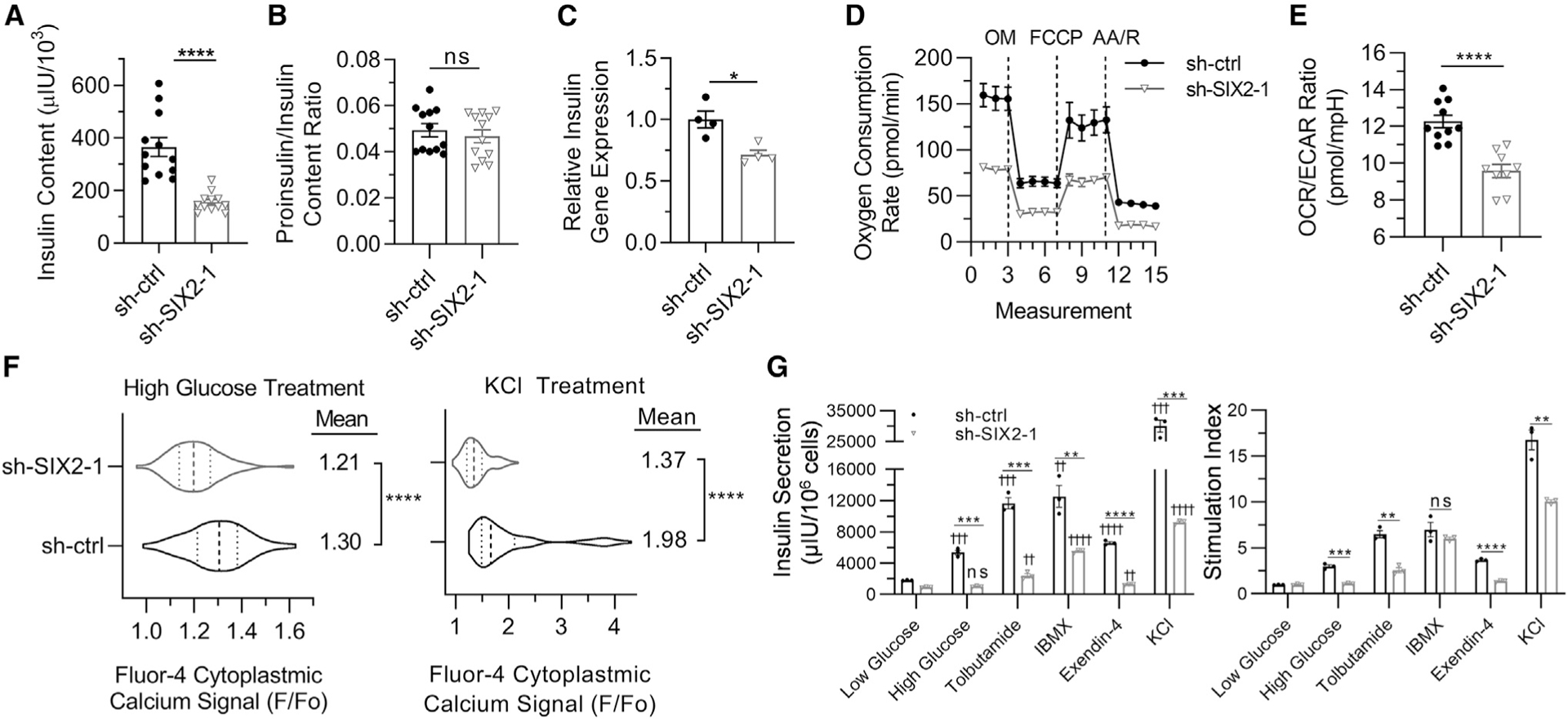
Figure 4.. SIX2 Affects Insulin Content, Mitochondrial Respiration, Cytoplasmic Calcium Flux, and Response to Secretagogues in SC-β cells
(A) Insulin content for stage 6 cells. n = 12. ****p < 0.0001 by 2-way unpaired t test. (B) Proinsulin:insulin content ratio for stage 6 cells. n = 12. ns (non-significant) by 2-way unpaired t test. (C) Real-time PCR measurements of INS gene expression for stage 6 cells. n = 4. *p < 0.05 by 2-way unpaired t test. (D) OCR measurements under basal conditions and after sequential injections of oligomycin (OM), carbonyl cyanide-4-(trifluoromethoxy)phenylhydrazone (FCCP), and antimycin A with rotenone (AA/R). n = 10 for sh-ctrl and n = 9 for sh-SIX2–1. (E) Calculated OCR:ECAR ratio under basal conditions. n = 10 for sh-ctrl and n = 9 for sh-SIX2–1. ****p < 0.0001 by 2-way unpaired t test. (F) Cytosolic calcium signaling in response to high glucose (20 mM) and high KCl (30 mM) treatment relative to low glucose (2 mM, Fo) for Fluo-4 AM. Violin plots show distribution of cellular responses for sh-ctrl (n = 232) and sh-SIX2–1 (n = 276) transduced cells with median and quartiles marked with dashed lines. ****p <0.0001 by 2-way unpaired t test. (G) Static glucose-stimulated insulin secretion with cells with 2 mM glucose, 20 mM glucose, or 20 mM glucose with the indicated compound. n = 3. ns, ** or ††p < 0.01, *** or †††p < 0.001, **** or ††††p < 0.0001 by 2-way unpaired t test. * indicates comparison within same compound treatment. † indicates comparison with low glucose with same shRNA treatment. Error bars represent s.e.m. See also Figure S4.

References

    1. Arda HEE, Li L, Tsai J, Torre EAA, Rosli Y, Peiris H, Spitale RCC, Dai C, Gu X, Qu K, et al. (2016). Age-Dependent Pancreatic Gene Regulation Reveals Mechanisms Governing Human β Cell Function. Cell Metab. 23, 909–920. - PMC - PubMed
    1. Balboa D, Saarimäki-Vire J, Borshagovski D, Survila M, Lindholm P, Galli E, Eurola S, Ustinov J, Grym H, Huopio H, et al. (2018). Insulin mutations impair beta-cell development in a patient-derived iPSC model of neonatal diabetes. eLife 7, e38519. - PMC - PubMed
    1. Bellin MD, Barton FB, Heitman A, Harmon JV, Kandaswamy R, Balamurugan AN, Sutherland DER, Alejandro R, and Hering BJ (2012). Potent induction immunotherapy promotes long-term insulin independence after islet transplantation in type 1 diabetes. Am. J. Transplant 12, 1576–1583. - PMC - PubMed
    1. Benner C, van der Meulen T, Cacéres E, Tigyi K, Donaldson CJ, and Huising MO (2014). The transcriptional landscape of mouse beta cells compared to human beta cells reveals notable species differences in long non-coding RNA and protein-coding gene expression. BMC Genomics 15, 620. - PMC - PubMed
    1. Cardenas-Diaz FL, Osorio-Quintero C, Diaz-Miranda MA, Kishore S, Leavens K, Jobaliya C, Stanescu D, Ortiz-Gonzalez X, Yoon C, Chen CS, et al. (2019). Modeling Monogenic Diabetes using Human ESCs Reveals Developmental and Metabolic Deficiencies Caused by Mutations in HNF1A. Cell Stem Cell 25, 273–289.e5. - PMC - PubMed

Publication types

MeSH terms