MicroRNA-98-5p Inhibits Tumorigenesis of Hepatitis B Virus-Related Hepatocellular Carcinoma by Targeting NF-κB-Inducing Kinase
- PMID: 32469170
- PMCID: PMC7256008
- DOI: 10.3349/ymj.2020.61.6.460
MicroRNA-98-5p Inhibits Tumorigenesis of Hepatitis B Virus-Related Hepatocellular Carcinoma by Targeting NF-κB-Inducing Kinase
Abstract
Purpose: MicroRNAs play key regulatory roles in the tumorigenesis of hepatitis B virus-related hepatocellular carcinoma (HBV-HCC). This study aimed to explore the regulatory effects of microRNA-98-5p (miR-98-5p) on the proliferation, migration, invasion, and apoptosis of HBV-HCC cells, as well as the underlying mechanisms involving nuclear factor-κB-inducing kinase (NIK).
Materials and methods: The expressions of miR-98-5p and NIK in HBV-HCC tissues and cells, and the level of HBV DNA in HBV-HCC cells were measured by quantitative real-time polymerase chain reaction (qRT-PCR). The proliferation, migration, invasion, and apoptosis of HBV-HCC cells were analyzed by cell counting kit-8, wound healing, transwell, and flow cytometry assay, respectively. The targeting relationship between miR-98-5p and NIK was predicted by StarBase3.0 and verified by dual-luciferase reporter assay. HBV-HCC xenograft tumor model was constructed in mice to observe the tumor growth in vivo.
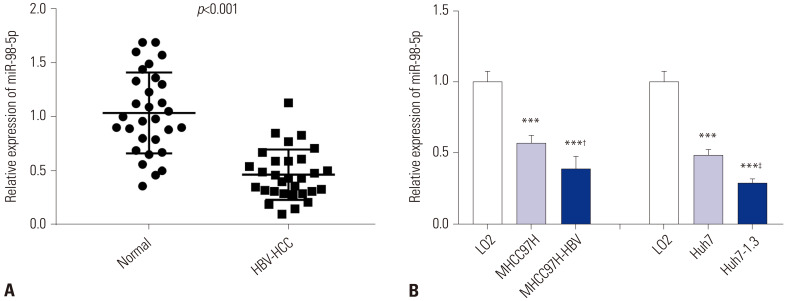
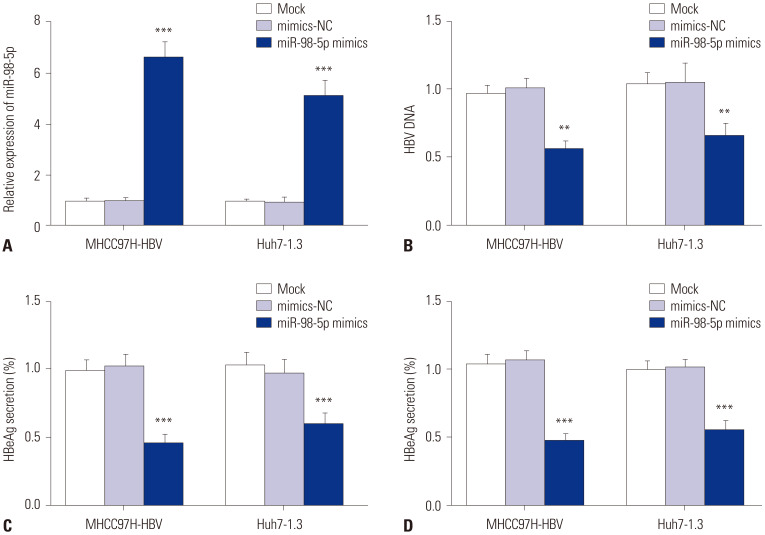
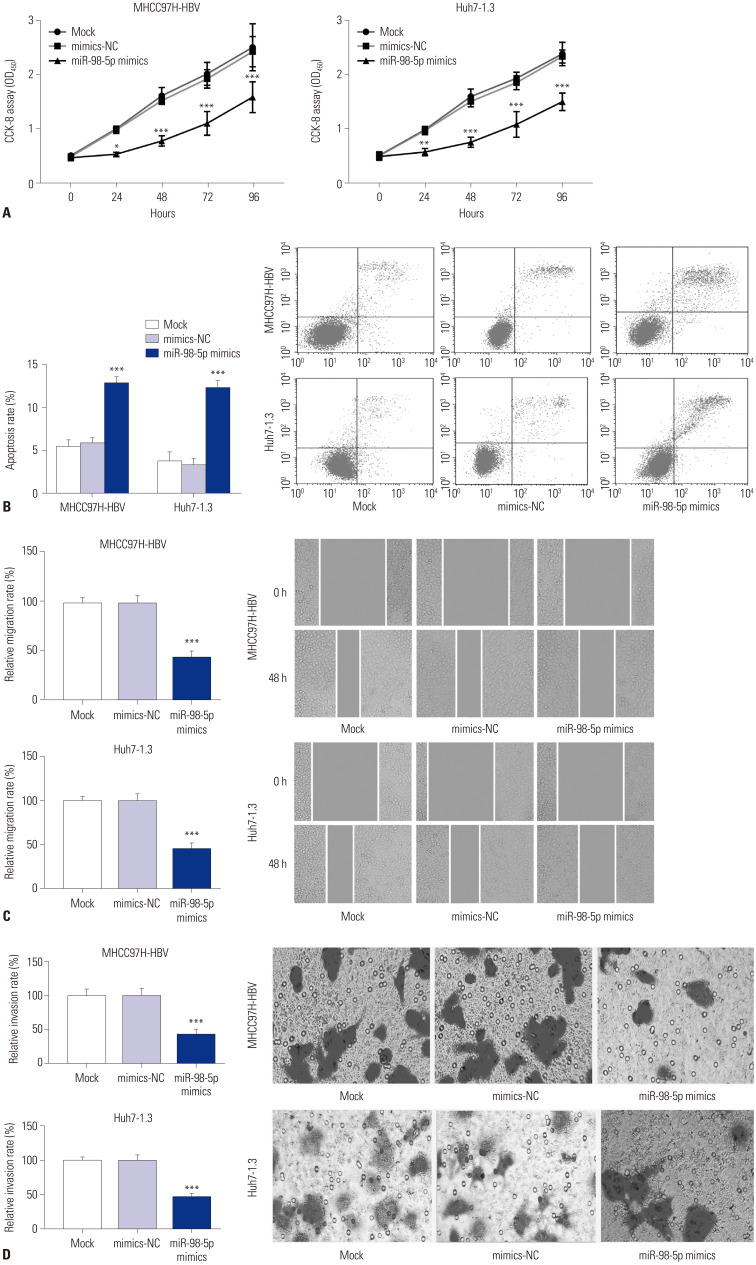
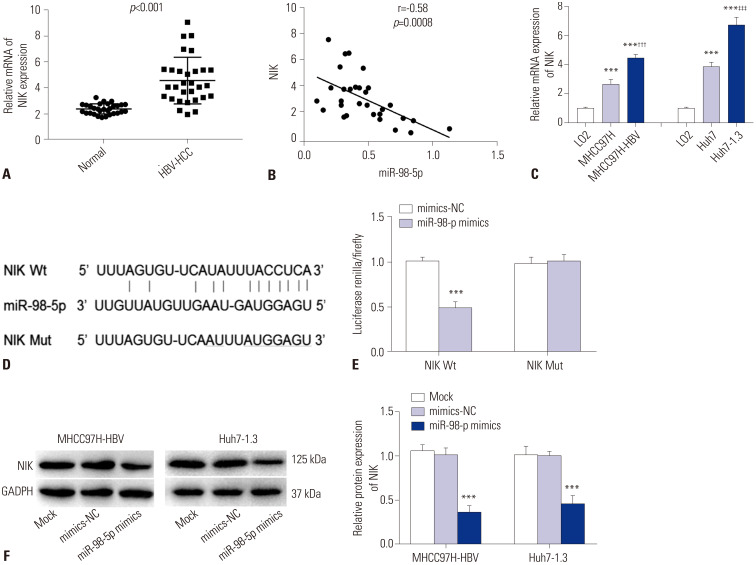
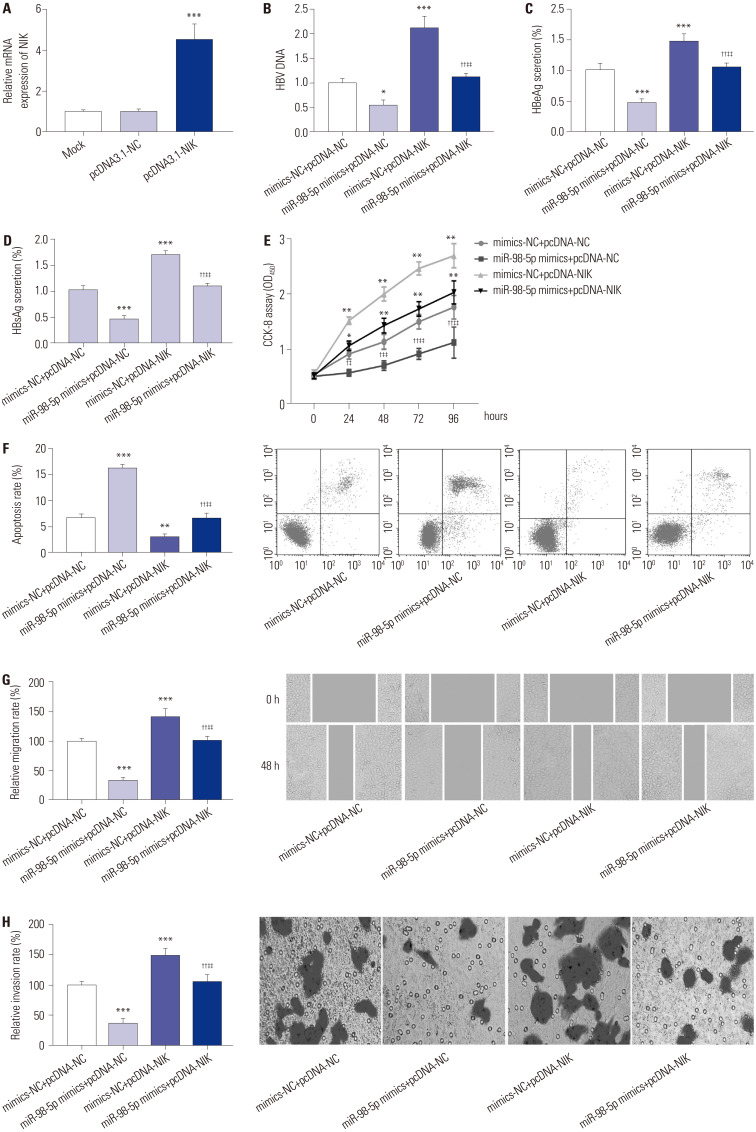
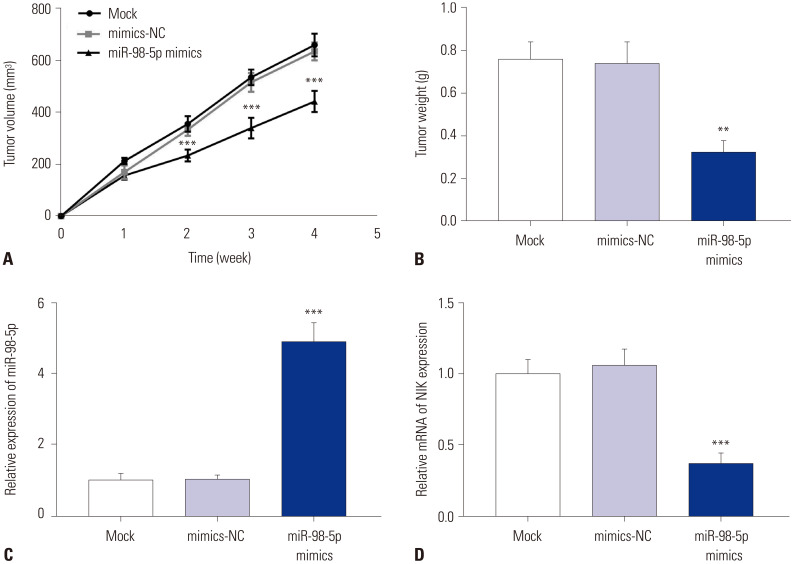
Results: The expression of miR-98-5p was declined in HBV-HCC tissues and cells. Overexpression of miR-98-5p markedly reduced the level of HBV DNA; inhibited the proliferation, migration, and invasion; and promoted the apoptosis of HBV-HCC cells. NIK was a target of miR-98-5p. Overexpression of miR-98-5p markedly decreased the protein expression of NIK in MHCC97H-HBV cells. NIK reversed the tumor-suppressing effect of miR-98-5p on HBV-HCC cells. Furthermore, overexpression of miR-98-5p significantly inhibited the xenograft tumor growth and decreased the expression of NIK in mice.
Conclusion: MiR-98-5p inhibits the secretion of HBV, proliferation, migration, and invasion of HBV-HCC cells by targeting NIK.
Keywords: MicroRNA-98-5p; hepatitis B virus-related hepatocellular carcinoma; invasion; nuclear factor-κB-inducing kinase; proliferation.
© Copyright: Yonsei University College of Medicine 2020.
Conflict of interest statement
The authors have no potential conflicts of interest to disclose.
Figures
References
-
- Bravi F, Bosetti C, Tavani A, Gallus S, La Vecchia C. Coffee reduces risk for hepatocellular carcinoma: an updated meta-analysis. Clin Gastroenterol Hepatol. 2013;11:1413–1421.e1. - PubMed
-
- Torre LA, Bray F, Siegel RL, Ferlay J, Lortet-Tieulent J, Jemal A. Global cancer statistics, 2012. CA Cancer J Clin. 2015;65:87–108. - PubMed
MeSH terms
Substances
LinkOut - more resources
Full Text Sources
Medical
Miscellaneous