


Withanone and Withaferin-A are predicted to interact with transmembrane protease serine 2 (TMPRSS2) and block entry of SARS-CoV-2 into cells
- PMID: 32469279
- PMCID: PMC7309304
- DOI: 10.1080/07391102.2020.1775704
Withanone and Withaferin-A are predicted to interact with transmembrane protease serine 2 (TMPRSS2) and block entry of SARS-CoV-2 into cells
Abstract
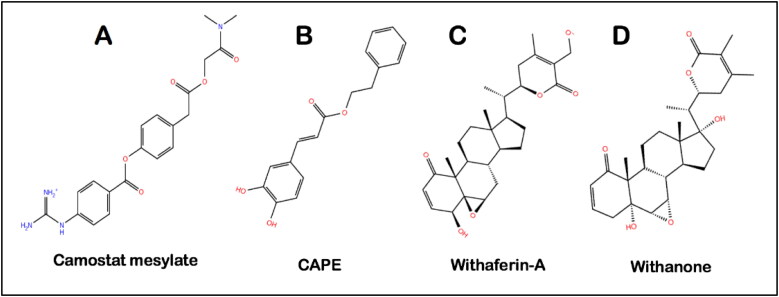
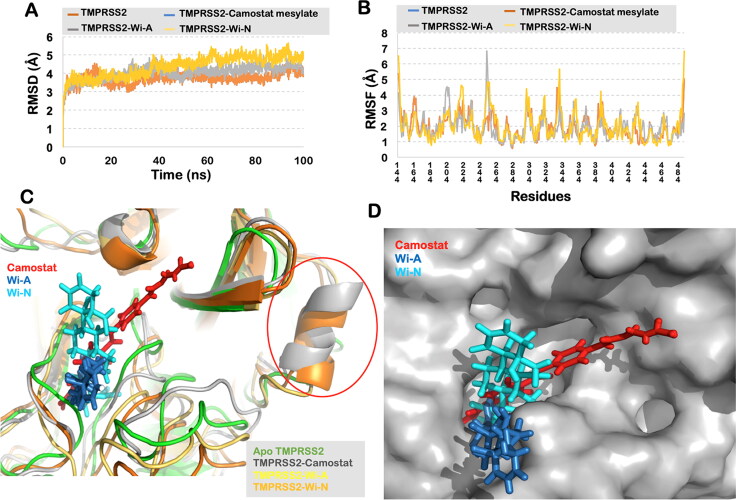
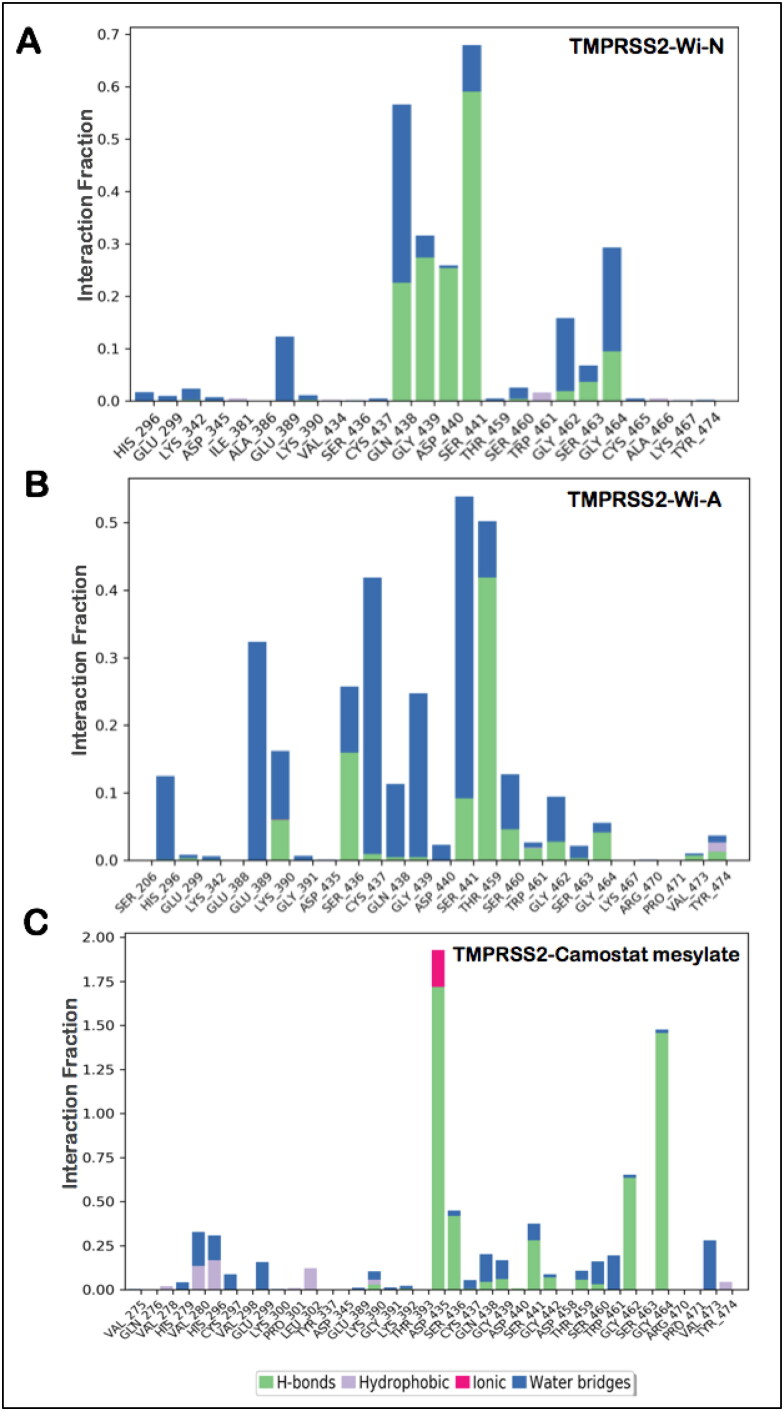
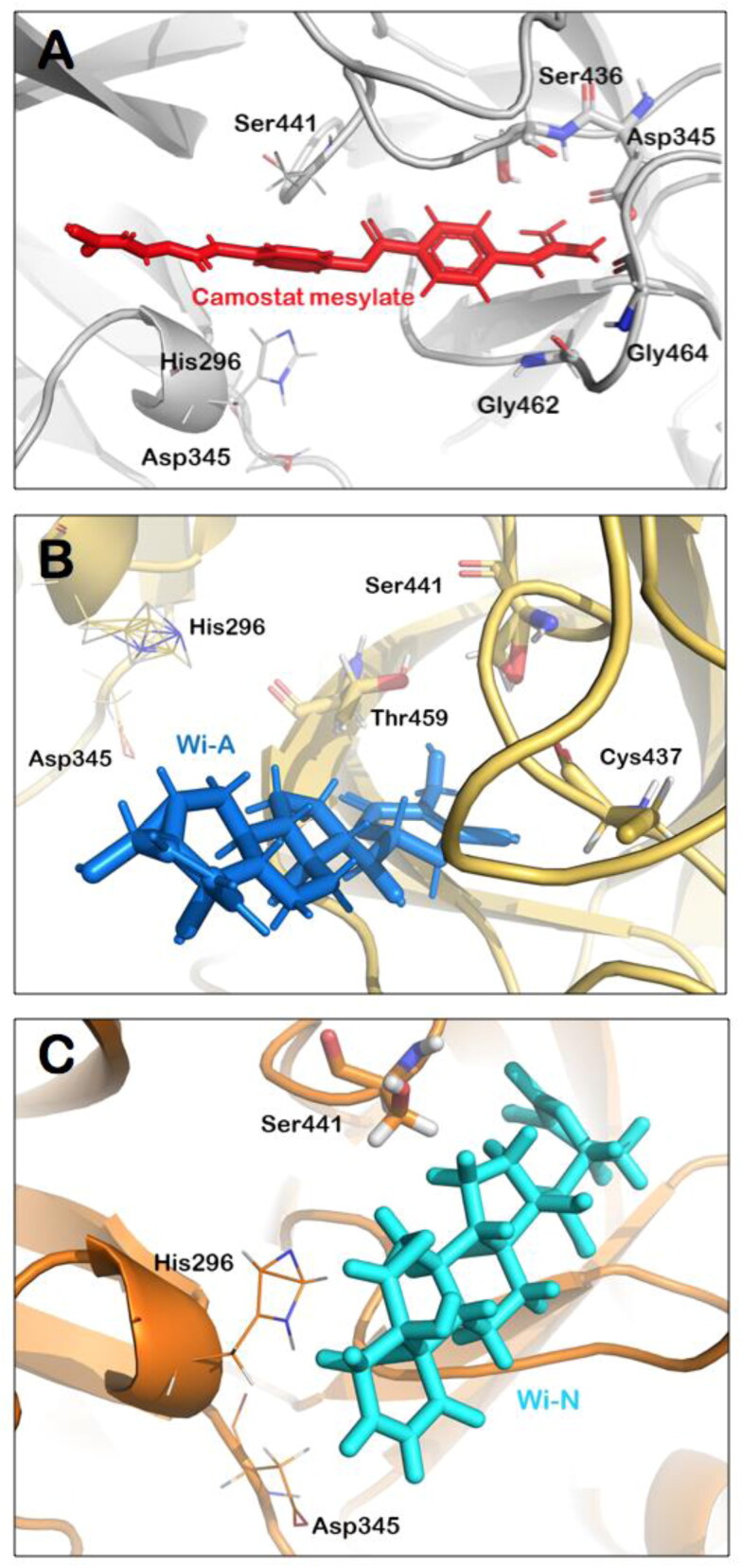
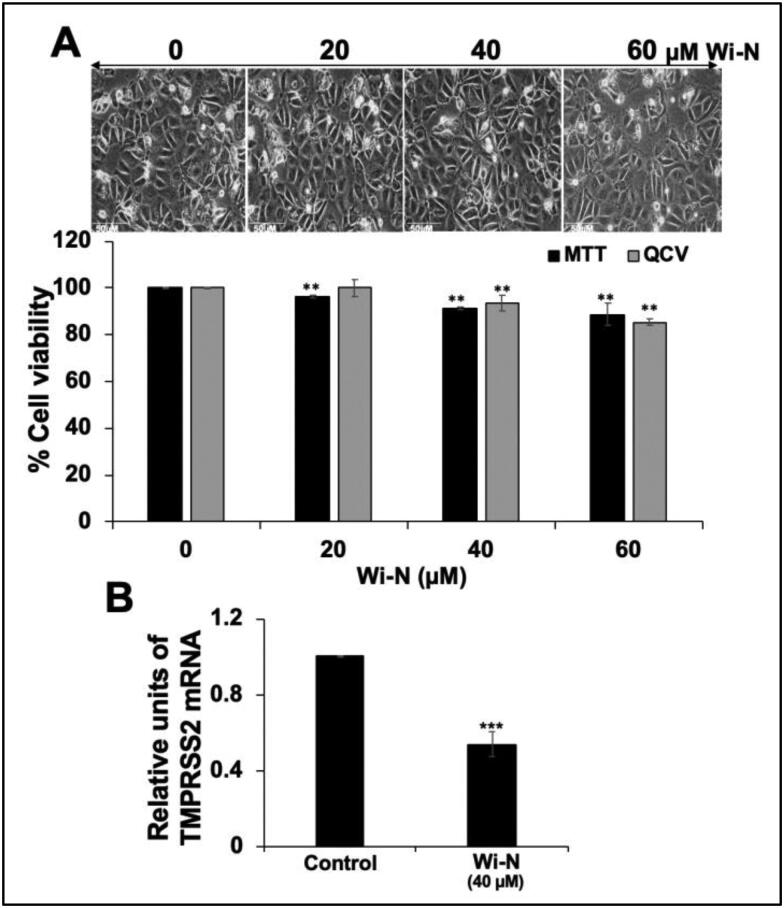
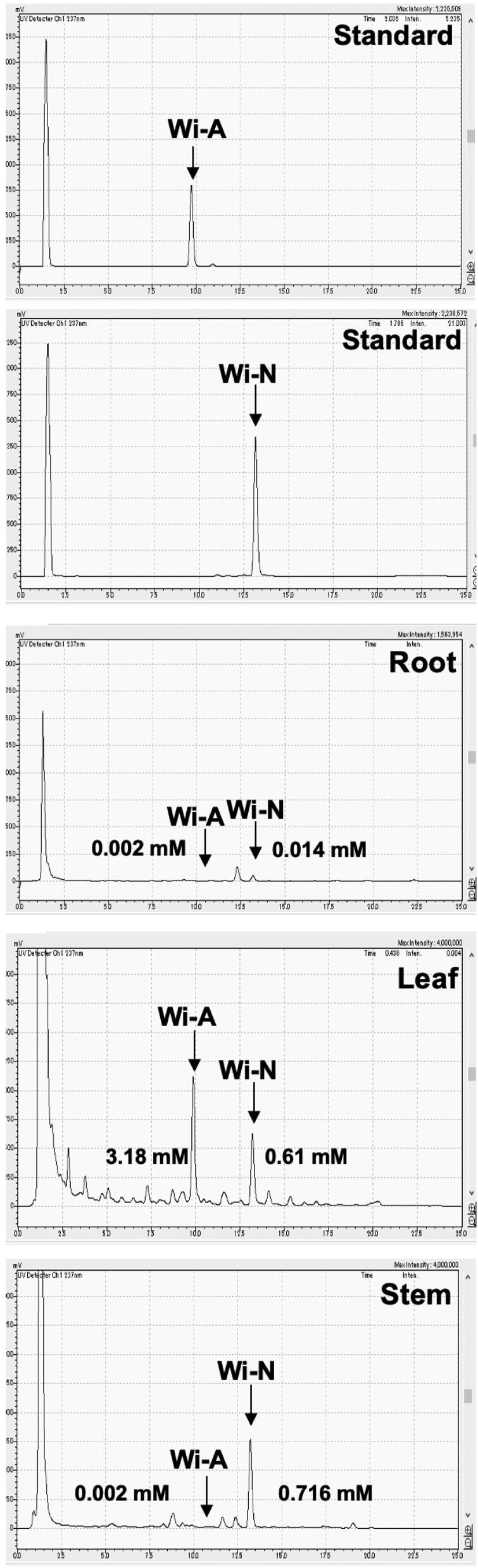
Coronavirus disease 2019 (COVID-19) initiated in December 2019 in Wuhan, China and became pandemic causing high fatality and disrupted normal life calling world almost to a halt. Causative agent is a novel coronavirus called Severe Acute Respiratory Syndrome Coronavirus 2 (SARS-CoV-2/2019-nCoV). While new line of drug/vaccine development has been initiated world-wide, in the current scenario of high infected numbers, severity of the disease and high morbidity, repurposing of the existing drugs is heavily explored. Here, we used a homology-based structural model of transmembrane protease serine 2 (TMPRSS2), a cell surface receptor, required for entry of virus to the target host cell. Using the strengths of molecular docking and molecular dynamics simulations, we examined the binding potential of Withaferin-A (Wi-A), Withanone (Wi-N) and caffeic acid phenethyl ester to TPMRSS2 in comparison to its known inhibitor, Camostat mesylate. We found that both Wi-A and Wi-N could bind and stably interact at the catalytic site of TMPRSS2. Wi-N showed stronger interactions with TMPRSS2 catalytic residues than Wi-A and was also able to induce changes in its allosteric site. Furthermore, we investigated the effect of Wi-N on TMPRSS2 expression in MCF7 cells and found remarkable downregulation of TMPRSS2 mRNA in treated cells predicting dual action of Wi-N to block SARS-CoV-2 entry into the host cells. Since the natural compounds are easily available/affordable, they may even offer a timely therapeutic/preventive value for the management of SARS-CoV-2 pandemic. We also report that Wi-A/Wi-N content varies in different parts of Ashwagandha and warrants careful attention for their use.Communicated by Ramaswamy H. Sarma.
Keywords: Ashwagandha; COVID-19; Withaferin-A; Withanone; binding; caffeic acid phenethyl ester; honey bee; inhibition; molecular docking; propolis; transmembrane protease serine 2 (TMPRSS2).
Figures
References
-
- Abdelli I., Hassani F., Bekkel Brikci S., & Ghalem S. (2020). In silico study the inhibition of Angiotensin converting enzyme 2 receptor of COVID-19 by Ammoides verticillata components harvested from western Algeria. Journal of Biomolecular Structure and Dynamics, 1–17. 10.1080/07391102.2020.1763199 - DOI - PMC - PubMed
-
- Afar D. E., Vivanco I., Hubert R. S., Kuo J., Chen E., Saffran D. C., Raitano A. B., & Jakobovits A. (2001). Catalytic cleavage of the androgen-regulated TMPRSS2 protease results in its secretion by prostate and prostate cancer epithelia. Cancer Research, 61(4), 1686–1692. - PubMed
Publication types
MeSH terms
Substances
LinkOut - more resources
Full Text Sources
Miscellaneous