


Using Virtual Reality to Improve Apathy in Residential Aged Care: Mixed Methods Study
- PMID: 32469314
- PMCID: PMC7380990
- DOI: 10.2196/17632
Using Virtual Reality to Improve Apathy in Residential Aged Care: Mixed Methods Study
Abstract
Background: Apathy is a common symptom in neurological disorders, including dementia, and is associated with a faster rate of cognitive decline, reduced quality of life, and high caregiver burden. There is a lack of effective pharmacological treatments for apathy, and nonpharmacological interventions are a preferred first-line approach to treatment. Virtual reality (VR) using head-mounted displays (HMDs) is being successfully used in exposure- and distraction-based therapies; however, there is limited research on using HMDs for symptoms of neurological disorders.
Objective: This feasibility study aimed to assess whether VR using HMDs could be used to deliver tailored reminiscence therapy and examine the willingness to participate, response rates to measures, time taken to create tailored content, and technical problems. In addition, this study aimed to explore the immediate effects between verbal fluency and apathy after exposure to VR.
Methods: A mixed methods study was conducted in a sample of older adults residing in aged care, and 17 participants were recruited. Apathy was measured using the Apathy Evaluation Scale (AES), and verbal fluency was used as a proxy measure of improvements in apathy and debriefing interviews to assess feedback from participants. Side effects that can occur from using HMDs were also measured.
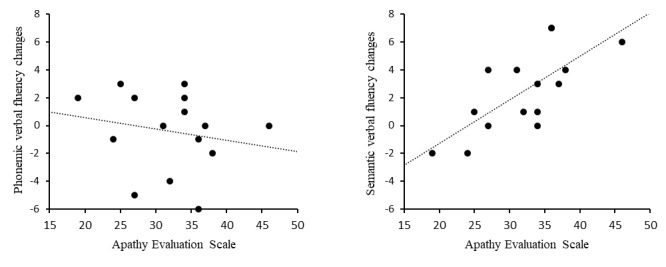
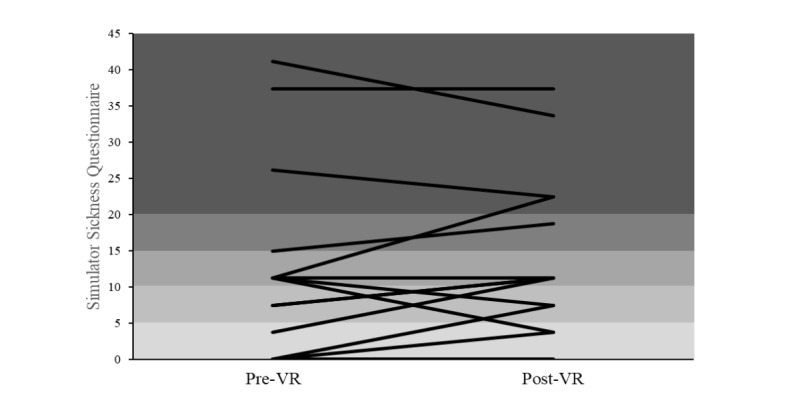
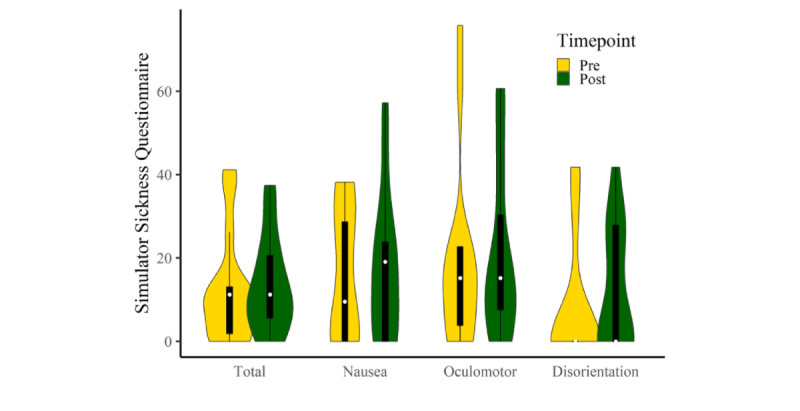
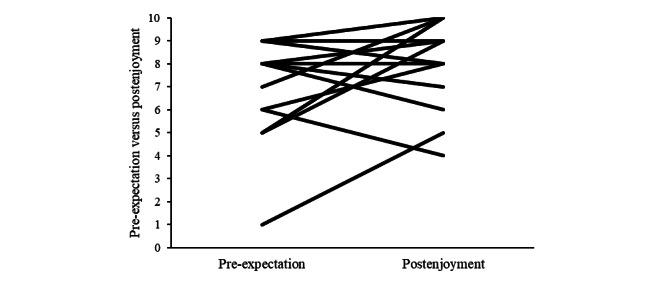
Results: We recruited participants from a high socioeconomic status setting with a high education level, and the participation rate was 85% (17/20); most responses to measures were positive. Access to a wide range of freely available content and the absence of technical difficulties made the delivery of a VR reminiscence intervention highly feasible. Participants had improved semantic scores (t14=-3.27; P=.006) but not phonemic fluency scores (t14=0.55; P=.59) immediately after the intervention. Those with higher levels of apathy demonstrated the greatest cognitive improvements after a VR reminiscence experience, which was indicated by a strong positive relationship between the AES and semantic verbal fluency change scores postminus pre-VR (r=0.719; 95% CI 0.327 to 0.900; P=.003). All participants enjoyed the experience despite 35% (6/17) of participants experiencing temporary side effects.
Conclusions: This study provides initial evidence that it is feasible to use VR with HMDs for therapy to treat symptoms of apathy in older adults in residential aged care. However, there is a need to closely monitor the side effects of HMD use in older adults. Further research is needed using an active control group to compare the use of VR with traditional forms of reminiscence therapy.
Keywords: apathy; cognitive aging; dementia; head-mounted display; reminiscence; residential facilities; virtual reality.
©Dimitrios Saredakis, Hannah AD Keage, Megan Corlis, Tobias Loetscher. Originally published in the Journal of Medical Internet Research (http://www.jmir.org), 26.06.2020.
Conflict of interest statement
Conflicts of Interest: None declared.
Figures
References
-
- Skorvanek M, Rosenberger J, Gdovinova Z, Nagyova I, Saeedian RG, Groothoff JW, Dijk JP. Apathy in elderly nondemented patients with Parkinson's disease: clinical determinants and relationship to quality of life. J Geriatr Psychiatry Neurol. 2013 Dec;26(4):237–43. doi: 10.1177/0891988713500587. - DOI - PubMed
-
- Lanctôt KL, Agüera-Ortiz L, Brodaty H, Francis P, Geda Y, Ismail Z, Marshall GA, Mortby ME, Onyike CU, Padala PR, Politis AM, Rosenberg PB, Siegel E, Sultzer DL, Abraham EH. Apathy associated with neurocognitive disorders: recent progress and future directions. Alzheimers Dement. 2017 Jan;13(1):84–100. doi: 10.1016/j.jalz.2016.05.008. - DOI - PubMed
-
- Geda YE, Roberts RO, Mielke MM, Knopman DS, Christianson TJ, Pankratz VS, Boeve BF, Sochor O, Tangalos EG, Petersen RC, Rocca WA. Baseline neuropsychiatric symptoms and the risk of incident mild cognitive impairment: a population-based study. Am J Psychiatry. 2014 May;171(5):572–81. doi: 10.1176/appi.ajp.2014.13060821. http://europepmc.org/abstract/MED/24700290 - DOI - PMC - PubMed
Publication types
MeSH terms
LinkOut - more resources
Full Text Sources
Medical
Research Materials
