


The first seven years of nationally organized helicopter emergency medical services in Finland - the data from quality registry
- PMID: 32471467
- PMCID: PMC7260827
- DOI: 10.1186/s13049-020-00739-4
The first seven years of nationally organized helicopter emergency medical services in Finland - the data from quality registry
Abstract
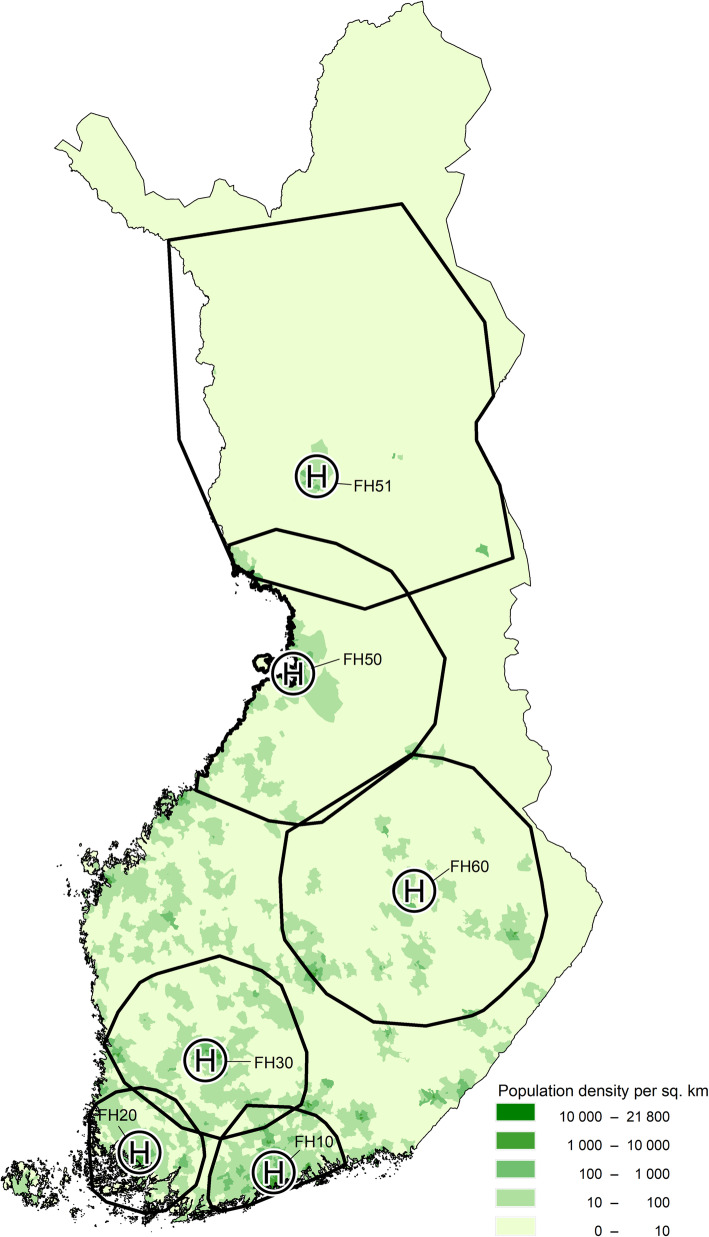
Background: Helicopter Emergency Medical Services (HEMS) play an important role in prehospital care of the critically ill. Differences in funding, crew composition, dispatch criteria and mission profile make comparison between systems challenging. Several systems incorporate databases for quality control, performance evaluation and scientific purposes. FinnHEMS database was incorporated for such purposes following the national organization of HEMS in Finland 2012. The aims of this study are to describe information recorded in the database, data collection, and operational characteristics of Finnish HEMS during 2012-2018.
Methods: All dispatches of the six Finnish HEMS units recorded in the national database from 2012 to 2018 were included in this observational registry study. Five of the units are physician staffed, and all are on call 24/7. The database follows a template for uniform reporting in physician staffed pre-hospital services, exceeding the recommended variables of relevant guidelines.
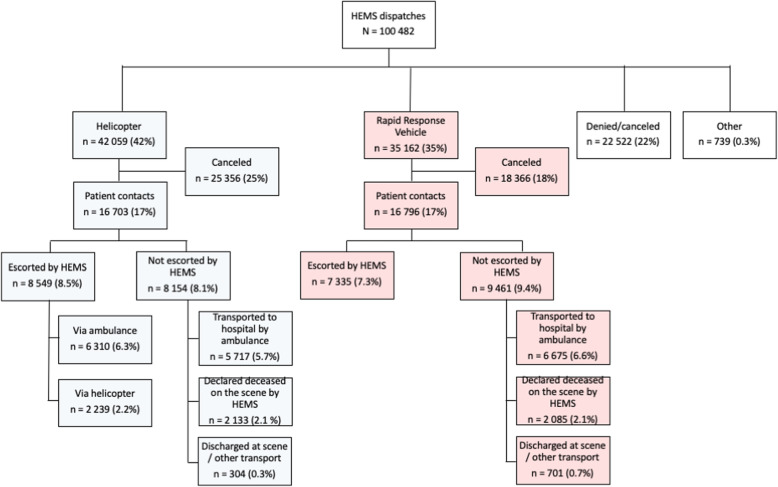
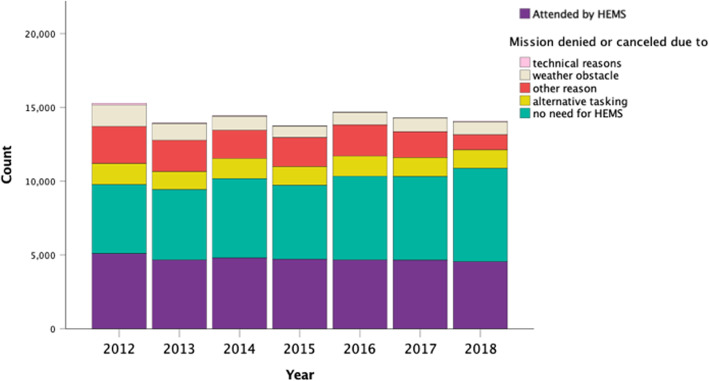
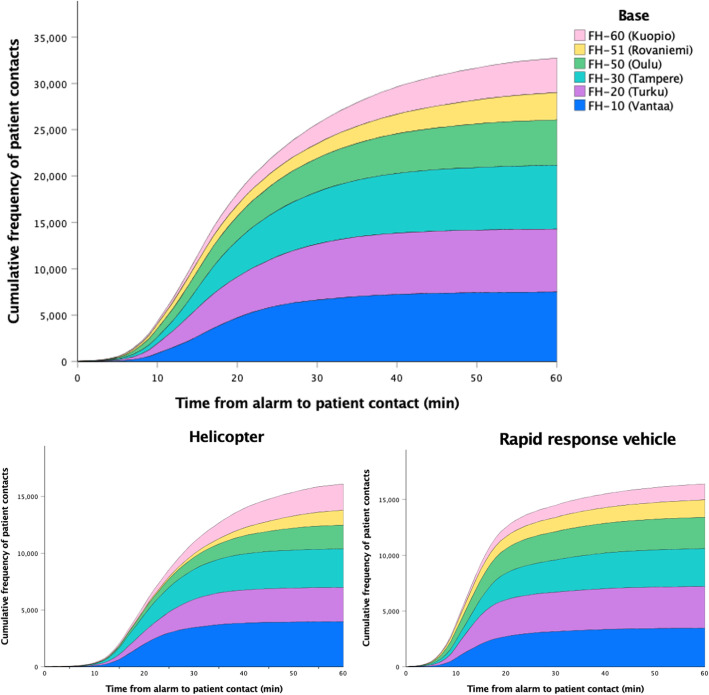
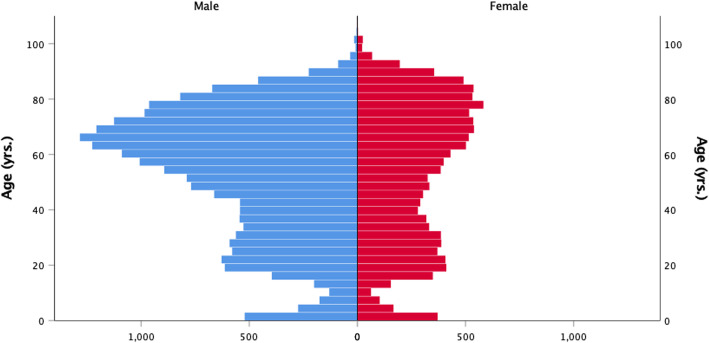
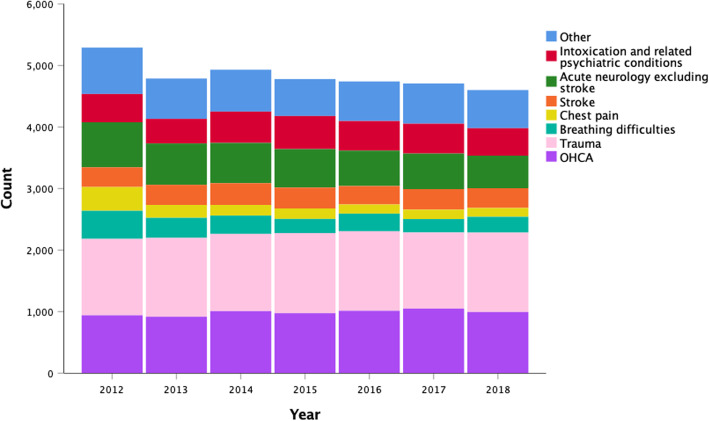
Results: The study included 100,482 dispatches, resulting in 33,844 (34%) patient contacts. Variables were recorded with little or no missing data. A total of 16,045 patients (16%) were escorted by HEMS to hospital, of which 2239 (2%) by helicopter. Of encountered patients 4195 (4%) were declared deceased on scene. The number of denied or cancelled dispatches was 66,638 (66%). The majority of patients were male (21,185, 63%), and the median age was 57.7 years. The median American Society of Anesthesiologists Physical Scale classification was 2 and Eastern Cooperative Oncology Group performance class 0. The most common reason for response was trauma representing 26% (8897) of the patients, followed by out-of-hospital cardiac arrest 20% (6900), acute neurological reason excluding stroke 13% (4366) and intoxication and related psychiatric conditions 10% (3318). Blunt trauma (86%, 7653) predominated in the trauma classification.
Conclusions: Gathering detailed and comprehensive data nationally on all HEMS missions is feasible. A national database provides valuable insights into where the operation of HEMS could be improved. We observed a high number of cancelled or denied missions and a low percentage of patients transported by helicopter. The medical problem of encountered patients also differs from comparable systems.
Keywords: Air ambulances; Critical care; Emergency medical services; Quality indicators; Registries; Trends.
Conflict of interest statement
The authors declare that they have no competing interests.
Figures
References
Publication types
MeSH terms
Grants and funding
LinkOut - more resources
Full Text Sources
Medical
Miscellaneous
