


Silent hypoxia: A harbinger of clinical deterioration in patients with COVID-19
- PMID: 32471783
- PMCID: PMC7243756
- DOI: 10.1016/j.ajem.2020.05.044
Silent hypoxia: A harbinger of clinical deterioration in patients with COVID-19
Abstract
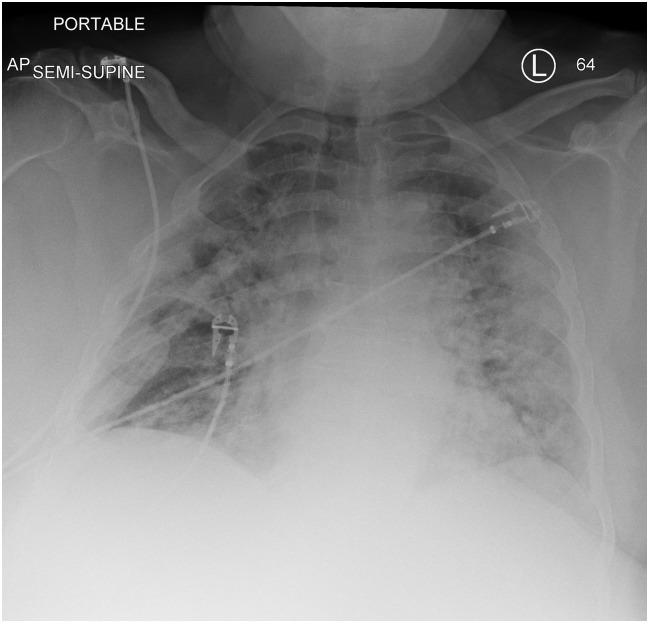
Patients infected with the SARS-CoV-2 virus can present with a wide variety of symptoms including being entirely asymptomatic. Despite having no or minimal symptoms, some patients may have markedly reduced pulse oximetry readings. This has been referred to as "silent" or "apathetic" hypoxia (Ottestad et al., 2020 [1]). We present a case of a 72-year-old male with COVID-19 syndrome who presented to the emergency department with minimal symptoms but low peripheral oxygen saturation readings. The patient deteriorated over the following days and eventually died as a result of overwhelming multi-organ system failure. This case highlights the utility of peripheral oxygen measurements in the evaluation of patients with SARS-CoV-2 infection. Self-monitoring of pulse oximetry by patients discharged from the emergency department is a potential way to identify patients needing to return for further evaluation.
Keywords: COVID-19; SARS-CoV-2; Silent hypoxia.
Copyright © 2020 Elsevier Inc. All rights reserved.
Figures
References
Publication types
MeSH terms
LinkOut - more resources
Full Text Sources
Other Literature Sources
Medical
Miscellaneous
