. 2020 May 28;17(11):3819.
doi: 10.3390/ijerph17113819.

Robotics Utilization for Healthcare Digitization in Global COVID-19 Management

Affiliations

Robotics Utilization for Healthcare Digitization in Global COVID-19 Management

Zeashan Hameed Khan et al. Int J Environ Res Public Health. .

Abstract

This paper describes the evolving role of robotics in healthcare and allied areas with special concerns relating to the management and control of the spread of the novel coronavirus disease 2019 (COVID-19). The prime utilization of such robots is to minimize person-to-person contact and to ensure cleaning, sterilization and support in hospitals and similar facilities such as quarantine. This will result in minimizing the life threat to medical staff and doctors taking an active role in the management of theCOVID-19 pandemic. The intention of the present research is to highlight the importance of medical robotics in general and then to connect its utilization with the perspective of COVID-19 management so that the hospital management can direct themselves to maximize the use of medical robots for various medical procedures. This is despite the popularity of telemedicine, which is also effective in similar situations. In essence, the recent achievement of the Korean and Chinese health sectors in obtaining active control of the COVID-19 pandemic was not possible without the use of state of the art medical technology.

Keywords: COVID-19; Coronavirus pandemic; Healthcare digitization; Medical Robots.


Conflict of interest statement

The authors declare no conflict of interest.

Figures
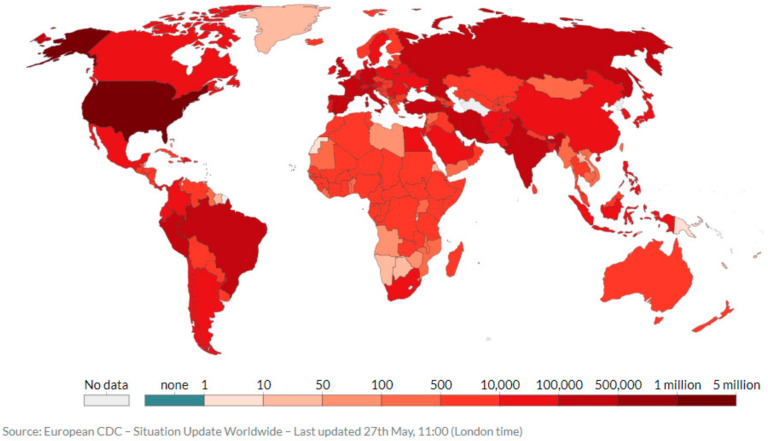
Figure 1
Figure 1
Total worldwide deaths due to COVID-19 per million people (as on May 27, 2020) [4].
Figure 2
Figure 2
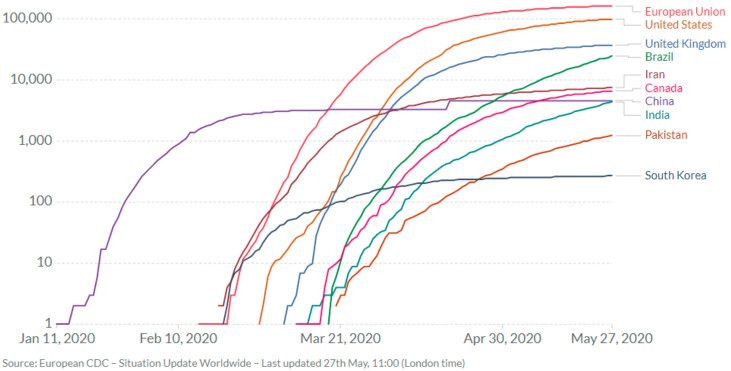
Total confirmed deaths due to COVID-19 on log scale (as on 27 May 2020) [4].
Figure 3
Figure 3
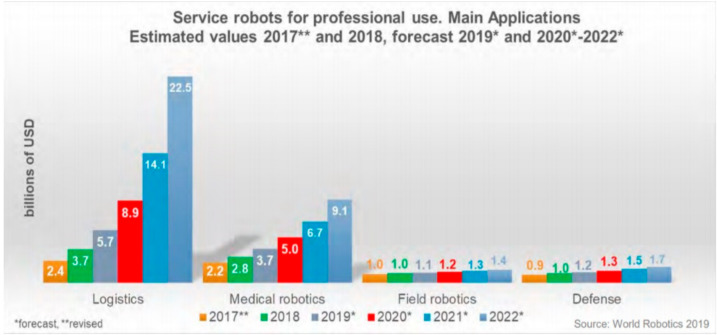
Increasing demand for medical robots in the world market [11].
Figure 4
Figure 4
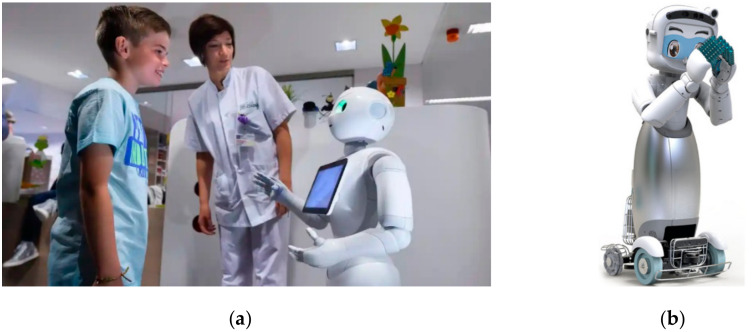
Receptionist robots in hospitals for patient assistance. (a) Pepper robot in a Belgian hospital [29]. (b) Dinsow 4 robot [30].
Figure 5
Figure 5
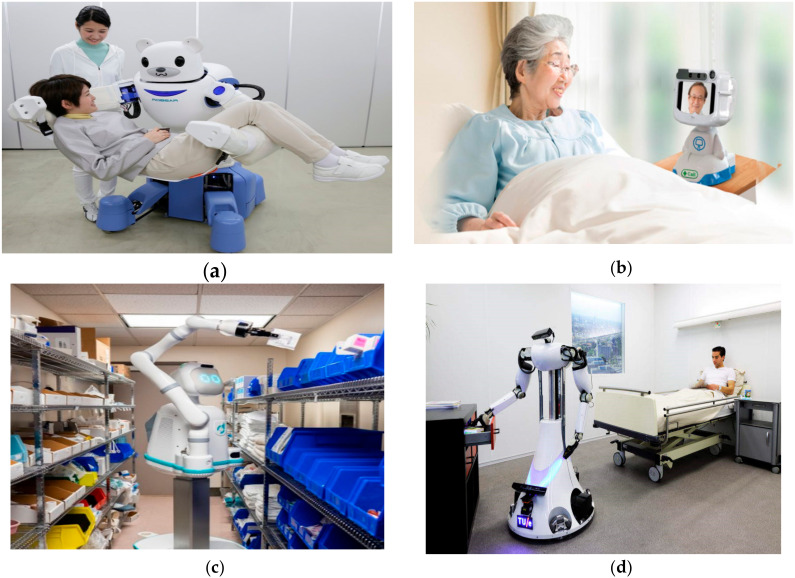
Nursing robots in hospital and at home for elderly care. (a) Robear—a robotic bear nurse to lift patients in Japan [33]. (b) Dinsow robot for elderly entertainment and face-to-face calls [34]. (c) Moxi—Nursing robot placing medicines in bins [35]. (d) Robot attendant for hospital care [36].
Figure 6
Figure 6
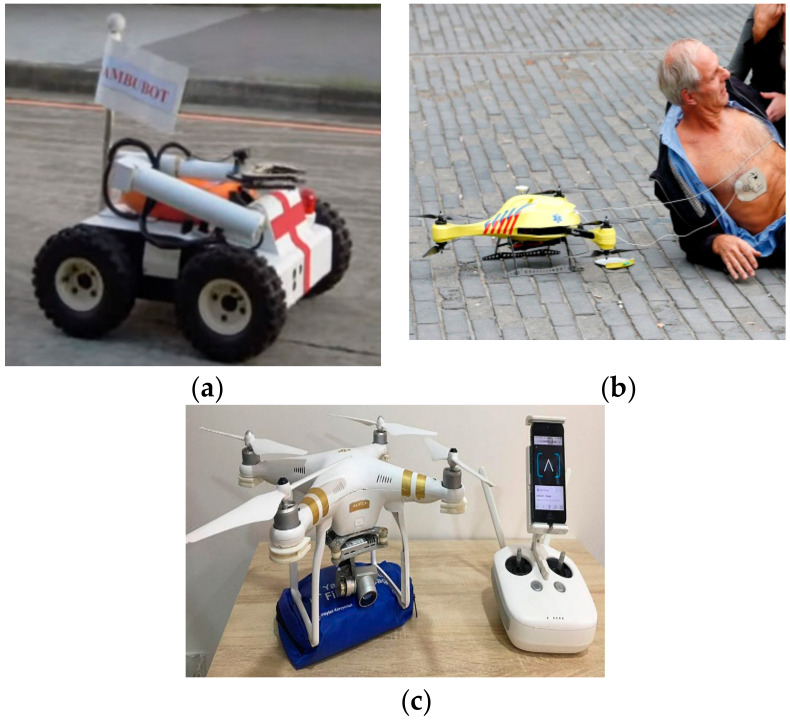
Ambulance robots. (a) Ambubot [39]. (b) Automated External Defibrillator (AED) for patient recovery [40]. (c) Drone carrying a first aid kit (blue) controlled by a smart phone [41].
Figure 7
Figure 7
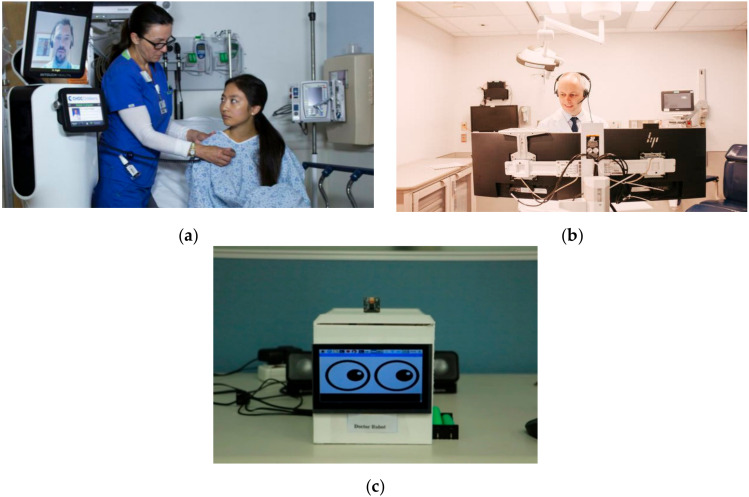
Telemedicine Robots for real-time remote patient assistance. (a) RP-VITA: FDA approved first autonomous telemedicine robot [43]. (b) Dr. Paul Casey, taking video calls at Rush University Medical Center [44]. (c) Doctor Robot for telemedicine [45].
Figure 8
Figure 8
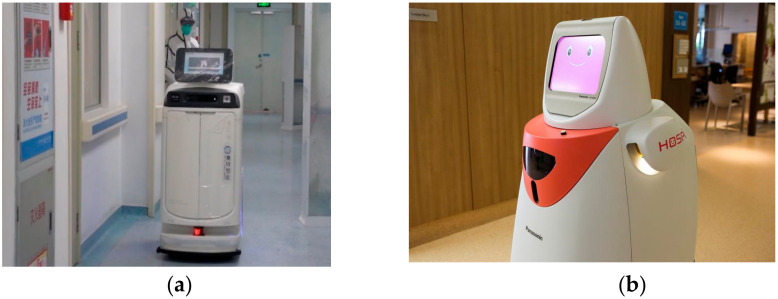
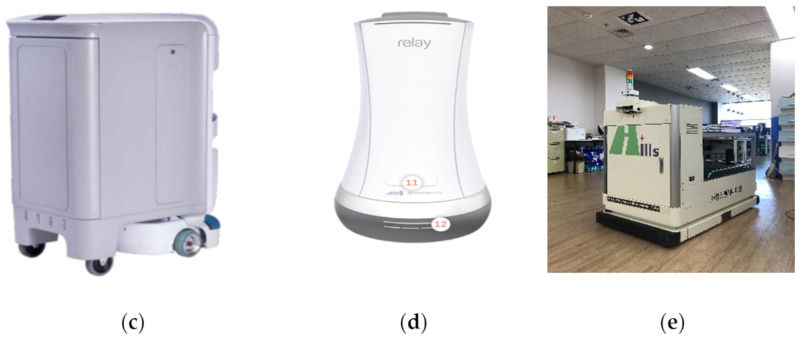
Indoor serving robots in hospitals. (a) Chinese hospitals using robots to deliver medicines in a patient’s room [48]. (b) Panasonic Autonomous Delivery Robots—HOSPI—deployed in a hospital in Singapore [49]. (c) TUG autonomous service robot [50]. (d) RELAY robot to deliver medicine [51]. (e) LoRobot L1 [52].
Figure 8
Figure 8
Indoor serving robots in hospitals. (a) Chinese hospitals using robots to deliver medicines in a patient’s room [48]. (b) Panasonic Autonomous Delivery Robots—HOSPI—deployed in a hospital in Singapore [49]. (c) TUG autonomous service robot [50]. (d) RELAY robot to deliver medicine [51]. (e) LoRobot L1 [52].
Figure 9
Figure 9
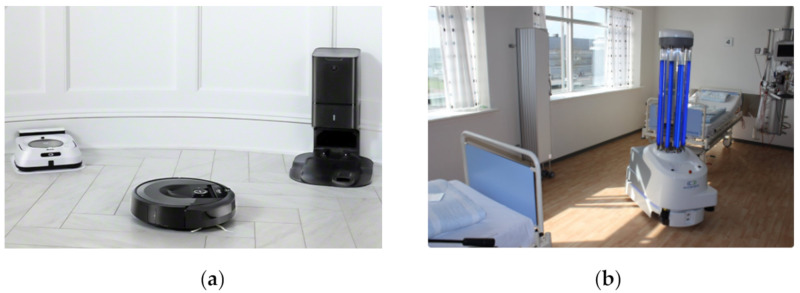
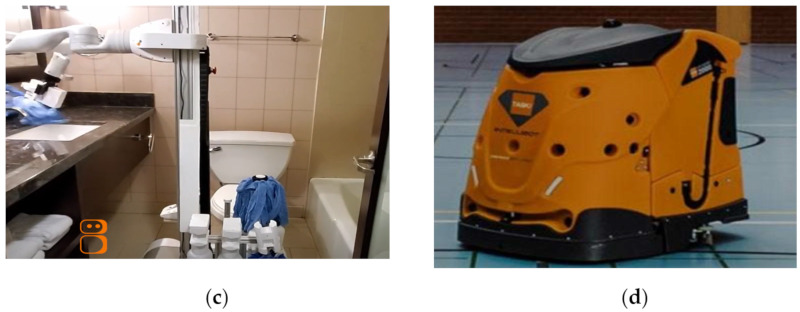
Cleaning and mopping robots in hospitals. (a) Roomba i7 cleaning robot [54]. (b) UVD robot for disinfecting hospital premises [55]. (c) Peanut robot for washroom cleaning [56]. (d) Swingobot 2000 cleaning robot [57].
Figure 9
Figure 9
Cleaning and mopping robots in hospitals. (a) Roomba i7 cleaning robot [54]. (b) UVD robot for disinfecting hospital premises [55]. (c) Peanut robot for washroom cleaning [56]. (d) Swingobot 2000 cleaning robot [57].
Figure 10
Figure 10
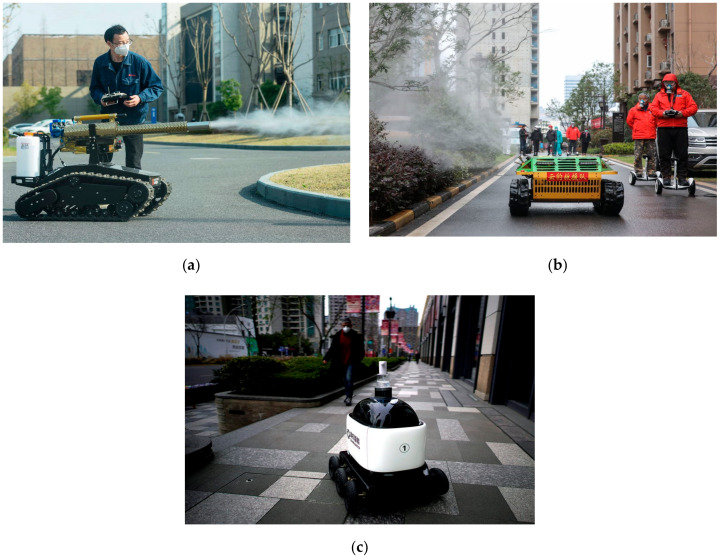
Spraying and sanitizing robots in residential areas of China [58]. (a) Remote control disinfecting mobile robot in Hangzhou, China. (b) Spraying robots to disinfect large residential areas in China. (c) A hand sanitizer-dispensing robot in Shanghai.
Figure 11
Figure 11
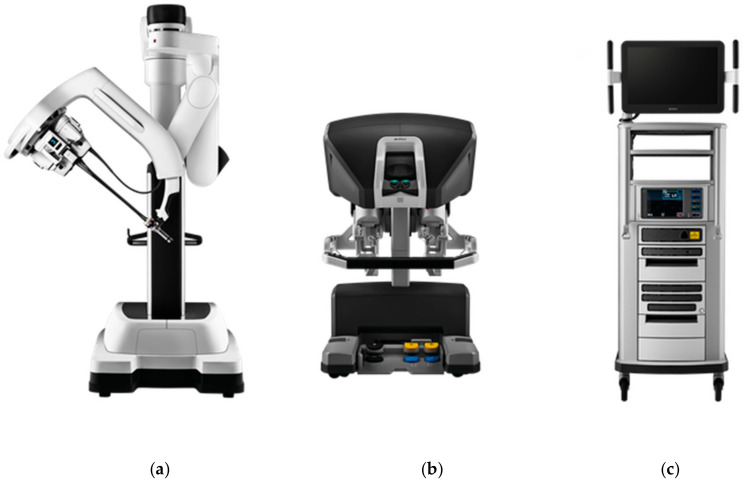
Da Vinci robotic surgical system [60]. (a) Patient cart. (b) Surgeon console. (c) Vision cart.
Figure 12
Figure 12
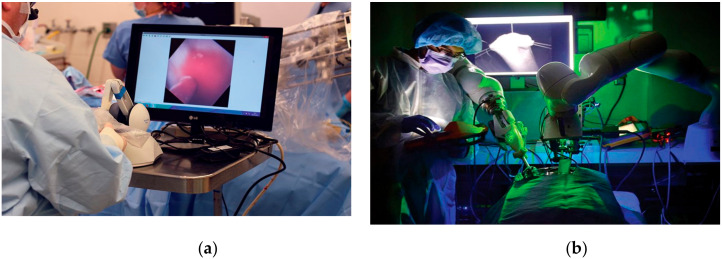
Real time surgery via HD vision using Da Vinci robotic surgical system [61]. (a) Surgeon remote manipulation. (b) Patient being operated by robotic hands.
Figure 13
Figure 13
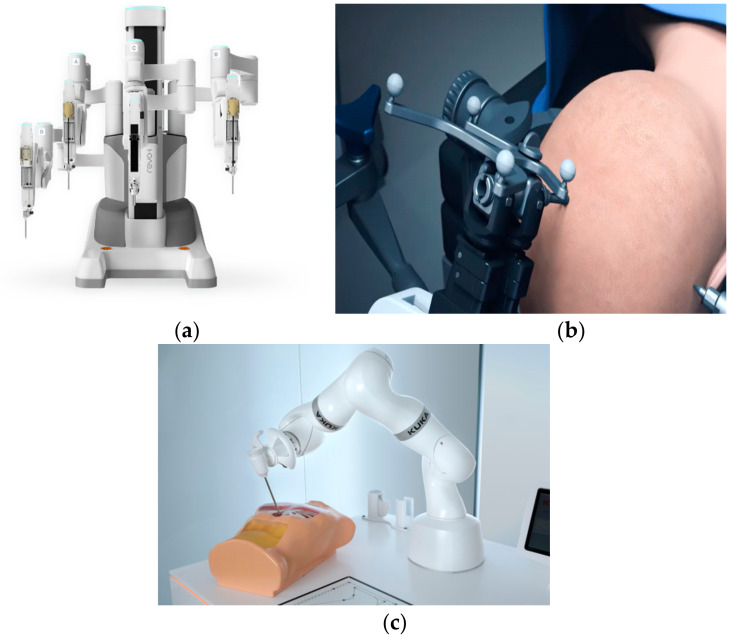
Specialized robots for general, spine and cranial biopsy and surgery. (a) Revo-i surgical robot [62]. (b) STEALTH AUTOGUIDE: Cranial Robotic Guidance Platform [63]. (c) KUKA LBR Med surgical robot [64].
Figure 14
Figure 14
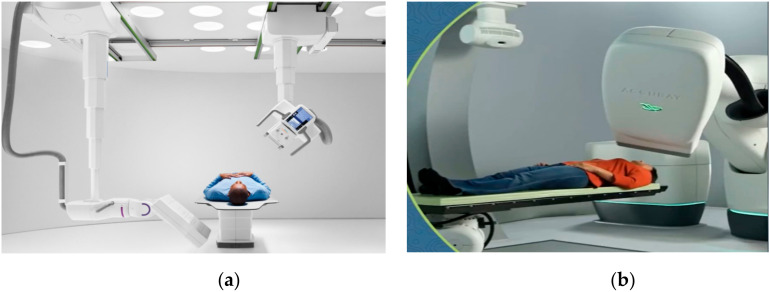
Specialized robots for spine and cranial biopsy and surgery. (a) Multitom Rax: Twin Robotic X-ray from Siemens Healthineers [65]. (b) Cyberknife: Radiology Oncology Surgical robot [66].
Figure 15
Figure 15
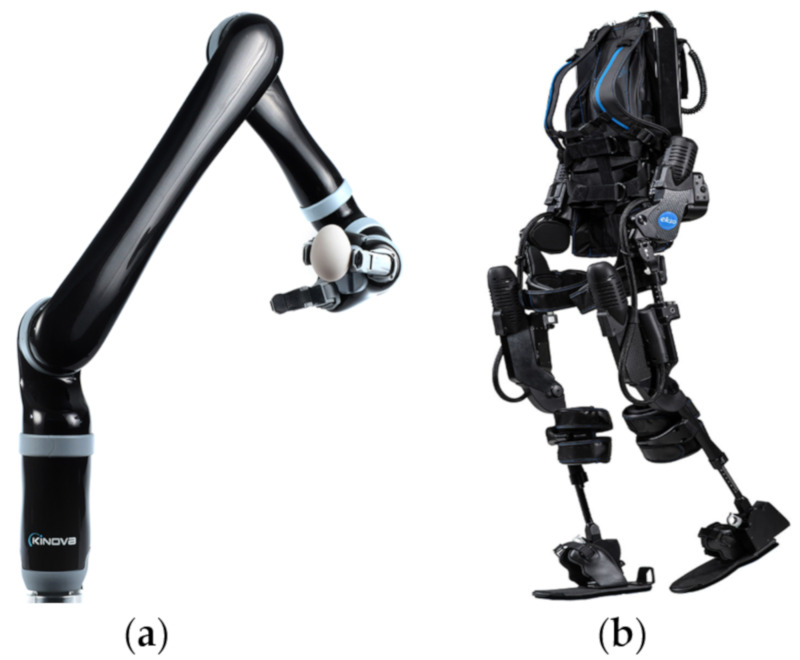
Rehabilitation and assistive robots. (a) Kinova assistive robotic arm [69]. (b) EksoNR exoskeleton [70].
Figure 16
Figure 16
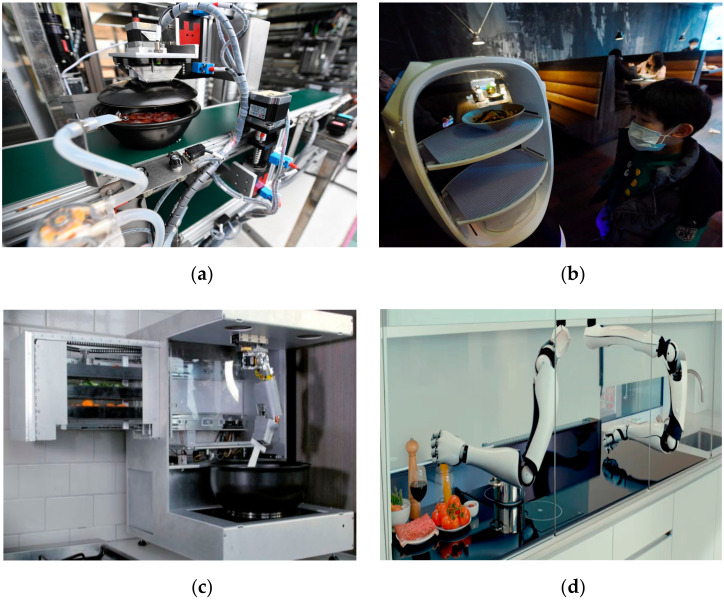
Food robots in a hospital’s kitchen for preparing and delivery. (a) Robot chef in a Chinese hospital [58]. (b) Food delivery robot in hospital [58]. (c) Cooki robot to prepare meals [71]. (d) Moley—World’s first robotic kitchen [72].
Figure 17
Figure 17
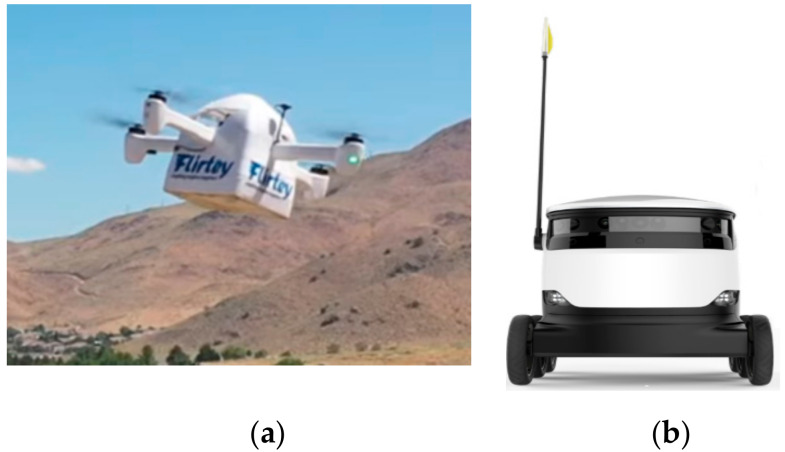
Outdoor delivery robots (ground based and aerial systems). (a) Flirtey drone robot for delivery of medicine/blood sample/food [73]. (b) Starship autonomous delivery robot [74].
Figure 18
Figure 18
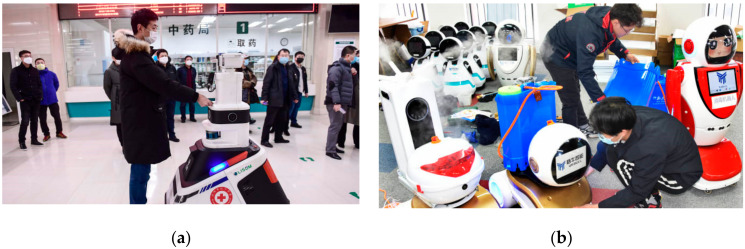
Robots in action during the COVID-19 epidemic in China [82]. (a) A patrol robot at a hospital in Shenyang in China’s northeastern Liaoning province checking temperatures of people. (b) Technicians adjusting disinfection robots in a technological company in Qingdao, east China’s Shandong Province.
Figure 19
Figure 19
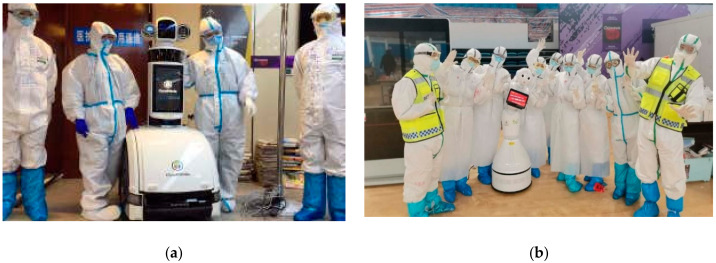
Reception robots in China during the COVID-19 outbreak. (a) Sterilization robot in Wuhan, China [83]. (b) Reception robot at a hospital ward in Wuhan, China [84].
Figure 20
Figure 20
5G Cloud robots deployed in Chinese hospitals [85].

References

    1. WHO . Report of the WHO-China Joint Mission on Coronavirus Disease 2019 (COVID-19) WHO; Geneva, Switzerland: 2020.
    1. Liu Y., Gayle A.A., Wilder-Smith A., Rocklöv J. The reproductive number of COVID-19 is higher compared to SARS coronavirus. J. Travel Med. 2020;27:1–4. doi: 10.1093/jtm/taaa021. - DOI - PMC - PubMed
    1. Bai Y., Yao L., Wei T., Tian F., Jin D.-Y., Chen L., Wang M. Presumed Asymptomatic Carrier Transmission of COVID-19. JAMA. 2020;323:1406. doi: 10.1001/jama.2020.2565. - DOI - PMC - PubMed
    1. Roser M., Ritchie H., Ortiz-Ospina E., Hasell J. Coronavirus (COVID-19) Deaths. [(accessed on 27 May 2020)]; Available online: https://ourworldindata.org/covid-deaths.
    1. World Health Organization Coronavirus Disease 2019 (COVID-19) Situation Report, 127. [(accessed on 27 May 2020)];2020 Available online: https://www.who.int/docs/default-source/coronaviruse/situation-reports/2....