


SIRT1 Activation by Equisetum Arvense L. (Horsetail) Modulates Insulin Sensitivity in Streptozotocin Induced Diabetic Rats
- PMID: 32486051
- PMCID: PMC7321376
- DOI: 10.3390/molecules25112541
SIRT1 Activation by Equisetum Arvense L. (Horsetail) Modulates Insulin Sensitivity in Streptozotocin Induced Diabetic Rats
Abstract
Background: Equisetum arvense L., commonly known as field horsetail is a perennial fern of which extracts are rich sources of phenolic compounds, flavonoids, and phenolic acids. Activation of SIRT1 that was shown to be involved in well-known signal pathways of diabetic cardiomyopathy has a protective effect against oxidative stress, inflammatory processes, and apoptosis that are the basis of diseases such as obesity, diabetes mellitus, or cardiovascular diseases. The aim of our study was to evaluate the antidiabetic and cardioprotective effects of horsetail extract in streptozotocin induced diabetic rats.
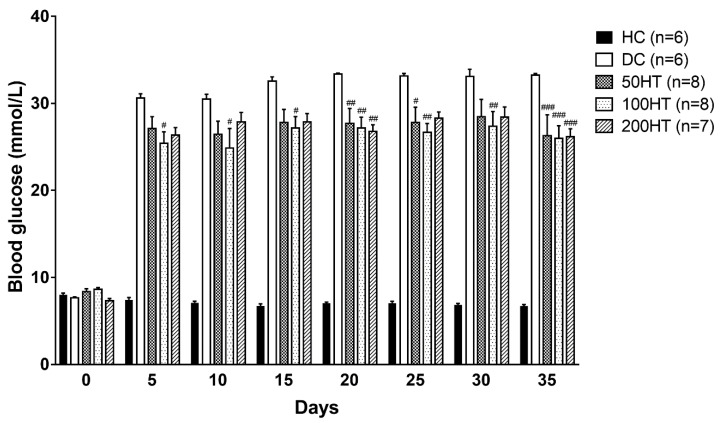
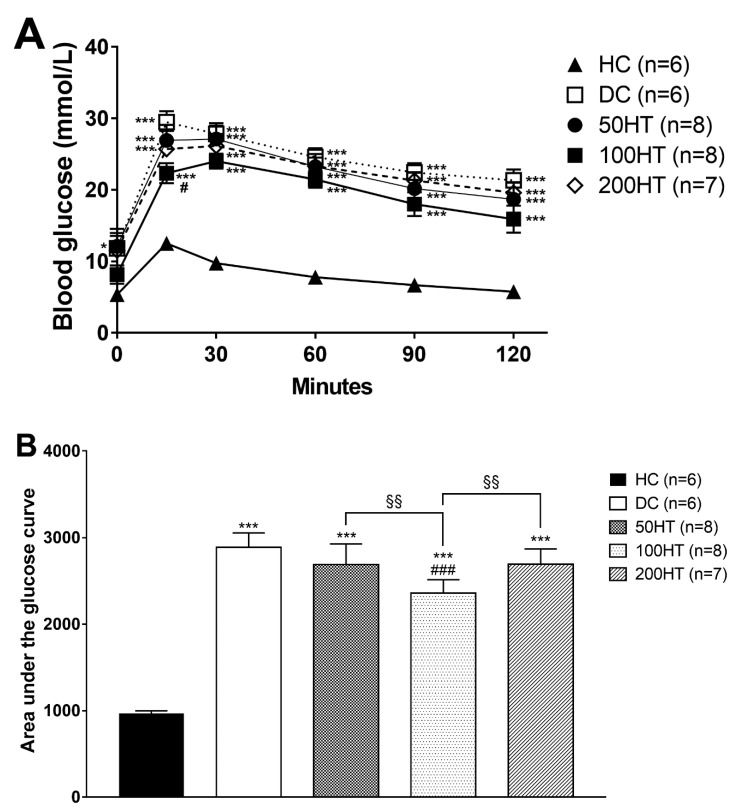
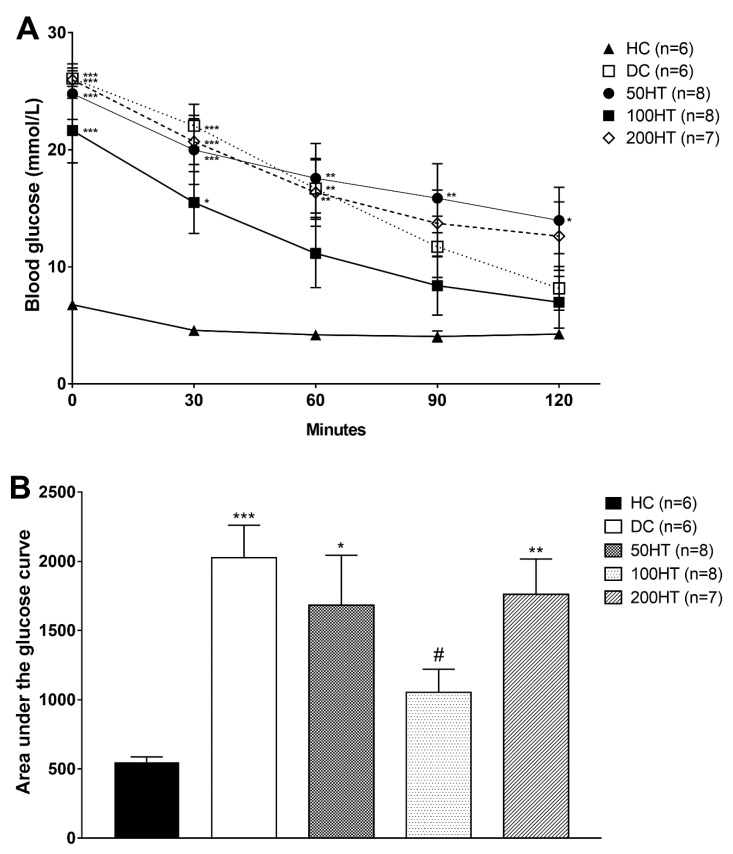
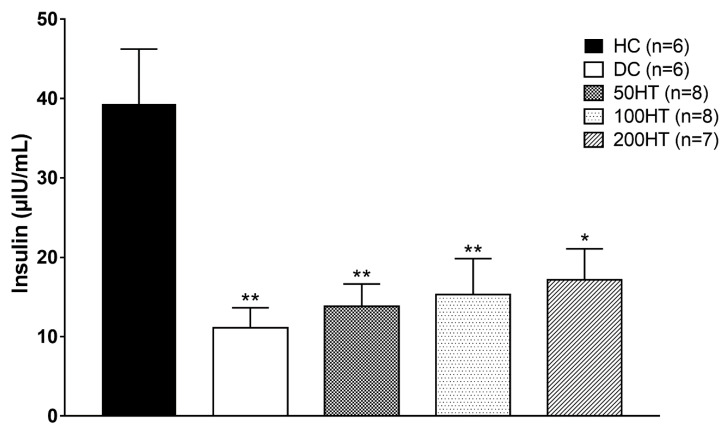
Methods: Diabetes was induced by a single intraperitoneal injection of 45 mg/kg streptozotocin. In the control groups (healthy and diabetic), rats were administered with vehicle, whilst in the treated groups, animals were administered with 50, 100, or 200 mg/kg horsetail extract, respectively, for six weeks. Blood glucose levels, glucose tolerance, and insulin sensitivity were determined, and SIRT1 levels were measured from the cardiac muscle.
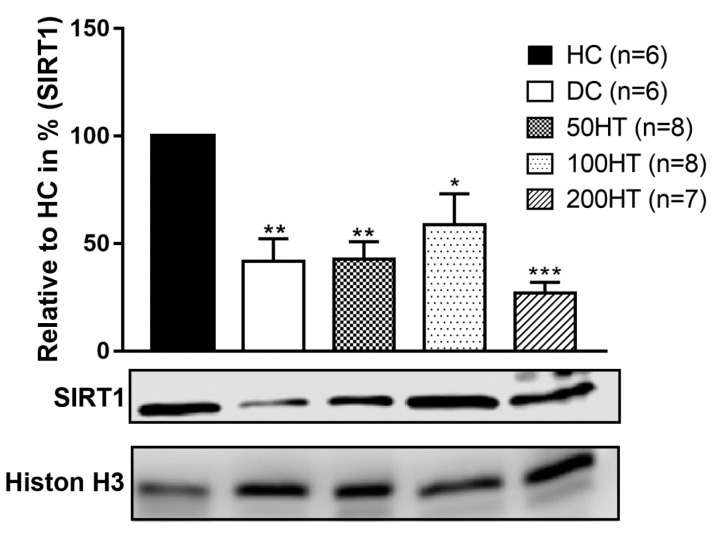
Results: The horsetail extract showed moderate beneficial changes in blood glucose levels and exhibited a tendency to elevate SIRT1 levels in cardiomyocytes, furthermore a 100 mg/kg dose also improved insulin sensitivity.
Conclusions: Altogether our results suggest that horsetail extract might have potential in ameliorating manifested cardiomyopathy acting on SIRT1.
Keywords: Equisetum arvense L.; SIRT1; diabetes mellitus; diabetic cardiomyopathy; insulin resistance; streptozotocin.
Conflict of interest statement
The authors declare that the research was conducted in the absence of any commercial or financial relationships that could be construed as a potential conflict of interest.
Figures
References
-
- Europarat. European Department for the Quality of Medicines . European Pharmacopoeia. Council of Europe; Strasbourg, France: 2016.
-
- Pallag A., Bungau S., Tit D.M., Tünde J., Sirbu V., Honiges A., Horhogea C. Comparative study of polyphenols, flavonoids and chlorophylls in equisetum arvense l. Populations. Rev. Chim. 2016;67:530–533.
-
- Pallag A., Pasca M.B., Tünde J., Suciu R., Nemeth S., Vicas L. Comparative histo-anatomical researches on the vegetative organs and assessment of antioxidant capacity of two species from equisetum genus. Farmacia. 2016;64:372–377.
-
- Pallag A., Tünde J., Pasca M.B., Sirbu V., Honiges A., Costuleanu M. Analysis of phenolic compounds composition by hplc and assessment of antioxidant capacity in equisetum arvense l. Extracts. Rev. Chim. 2016;67:1623–1627.
MeSH terms
Substances
Grants and funding
- NKFIH-1150-6/2019/Higher Education Institutional Excellence Programme (NKFIH-1150-6/2019) of the Ministry of Innovation and Technology in Hungary, within the framework of the Therapeutic Purpose Development thematic programme of the University of Debrecen
- GINOP-2.3.2-15-2016-00043/European Union and the State of Hungary under grant number GINOP-2.3.2-15-2016-00043
- (EFOP-3.6.2-16-2017-00009)./Ministry of National Development, Hungary (EFOP-3.6.2-16-2017-00009)
LinkOut - more resources
Full Text Sources
Other Literature Sources
Medical
