Review
. 2020 May 31;25(11):2560.
doi: 10.3390/molecules25112560.

Combretastatins: An Overview of Structure, Probable Mechanisms of Action and Potential Applications

Affiliations
Review

Combretastatins: An Overview of Structure, Probable Mechanisms of Action and Potential Applications

Gökçe Şeker Karatoprak et al. Molecules. .

Abstract

Combretastatins are a class of closely related stilbenes (combretastatins A), dihydrostilbenes (combretastatins B), phenanthrenes (combretastatins C) and macrocyclic lactones (combretastatins D) found in the bark of Combretum caffrum (Eckl. & Zeyh.) Kuntze, commonly known as the South African bush willow. Some of the compounds in this series have been shown to be among the most potent antitubulin agents known. Due to their structural simplicity many analogs have also been synthesized. Combretastatin A4 phosphate is the most frequently tested compounds in preclinical and clinical trials. It is a water-soluble prodrug that the body can rapidly metabolize to combretastatin A4, which exhibits anti-tumor properties. In addition, in vitro and in vivo studies on combretastatins have determined that these compounds also have antioxidant, anti-inflammatory and antimicrobial effects. Nano-based formulations of natural or synthetic active agents such as combretastatin A4 phosphate exhibit several clear advantages, including improved low water solubility, prolonged circulation, drug targeting properties, enhanced efficiency, as well as fewer side effects. In this review, a synopsis of the recent literature exploring the combretastatins, their potential effects and nanoformulations as lead compounds in clinical applications is provided.

Keywords: combretaceae; combretastatins; drug discovery; nanoformulation; natural compound; structure-activity relationships; tubulin inhibitors..


Conflict of interest statement

The authors declare no conflict of interest.

Figures
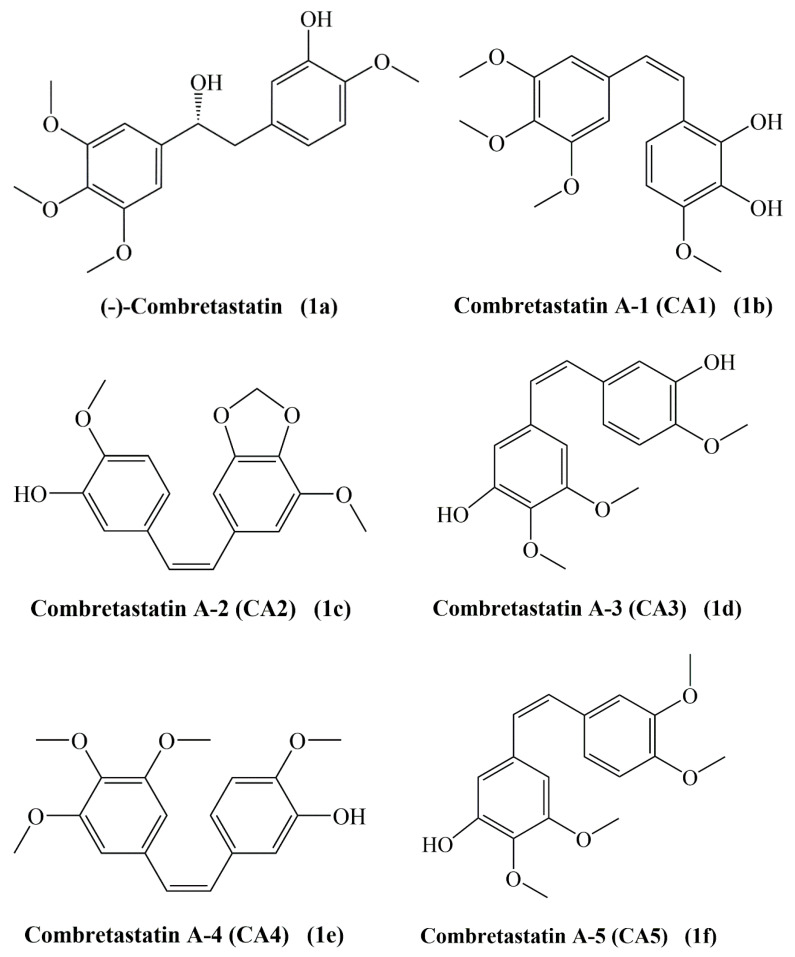
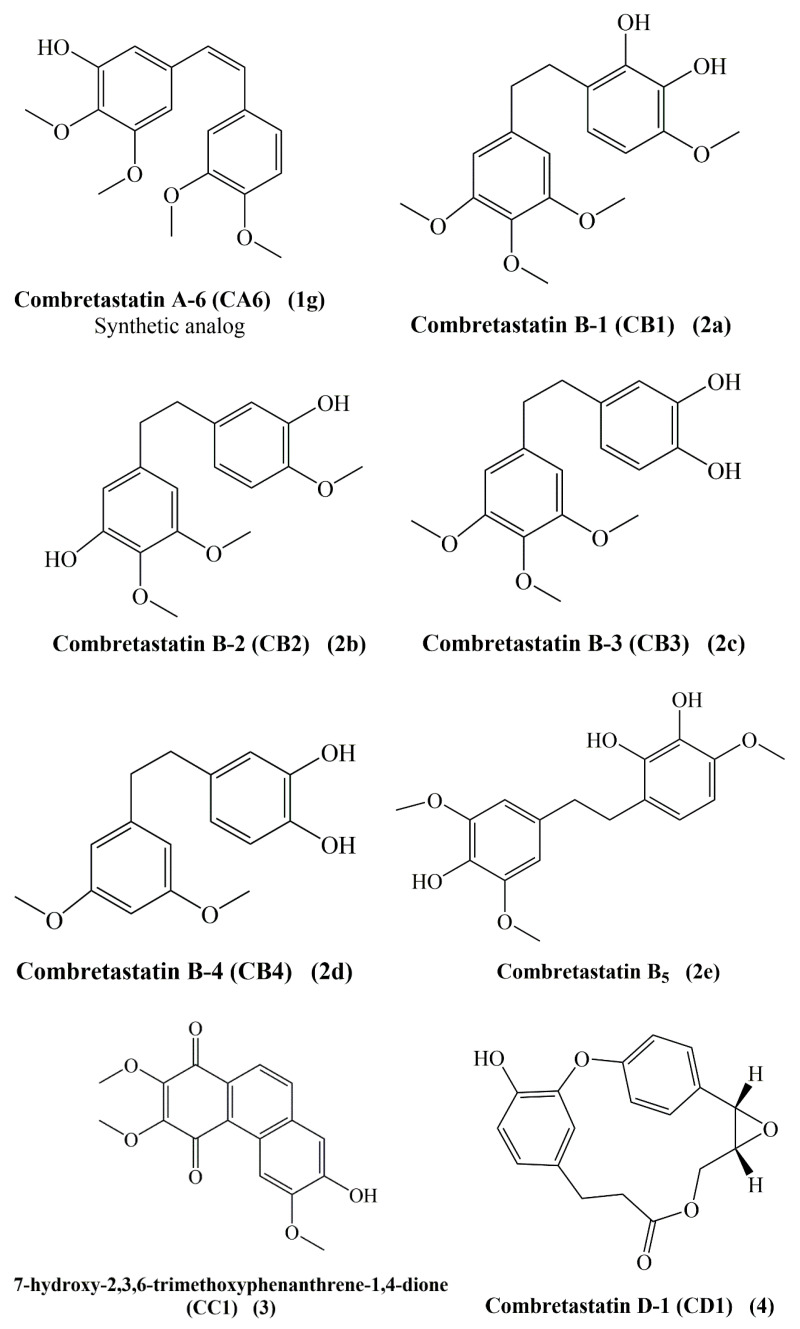
Figure 1
Figure 1
Structures of combretastatins.
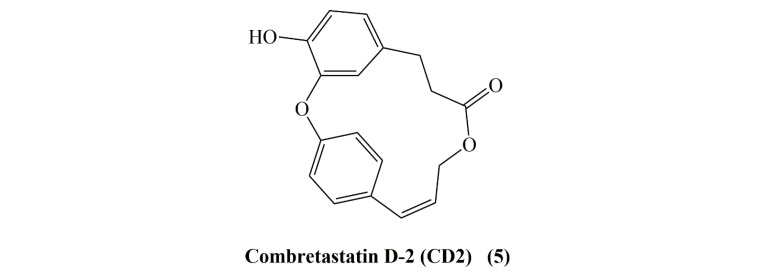
Figure 1
Figure 1
Structures of combretastatins.
Figure 1
Figure 1
Structures of combretastatins.
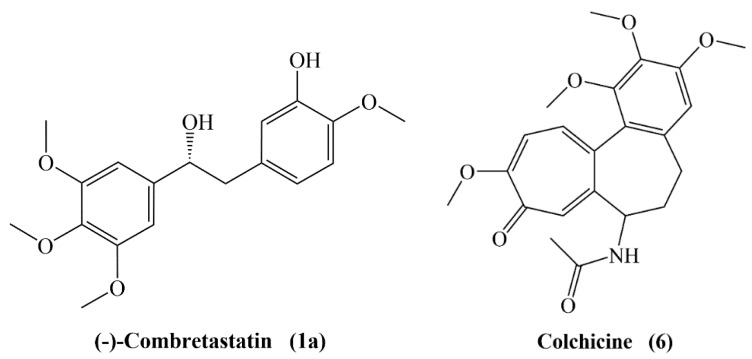
Figure 2
Figure 2
Structural similarity between combretastatin (1a) and colchicine (6).
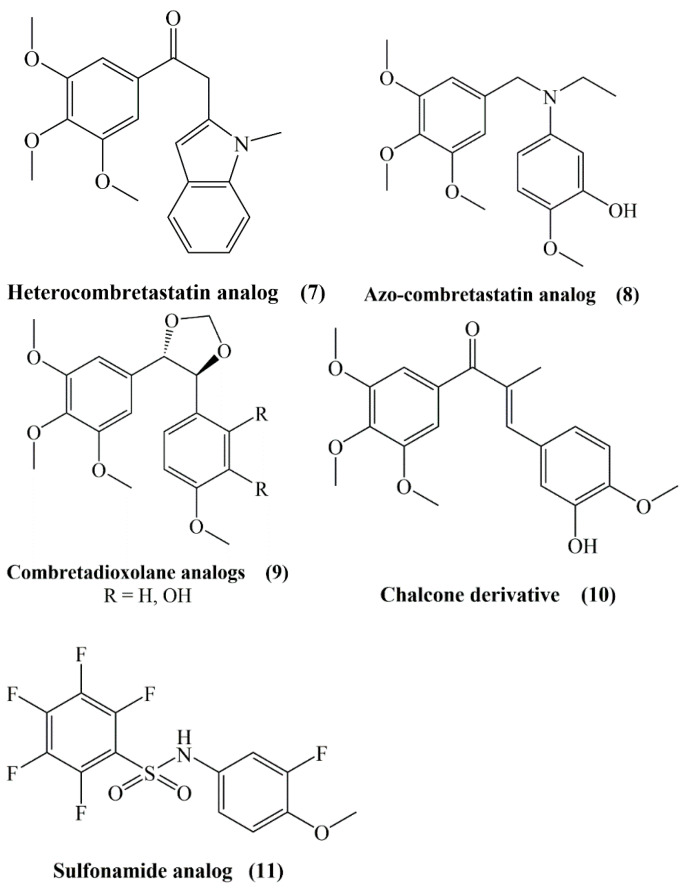
Figure 3
Figure 3
Structures of heterocombretastatin, azo-combretastatin, combretadioxolane analogs, chalcone derivatives and sulfonamide analogs.
Figure 4
Figure 4
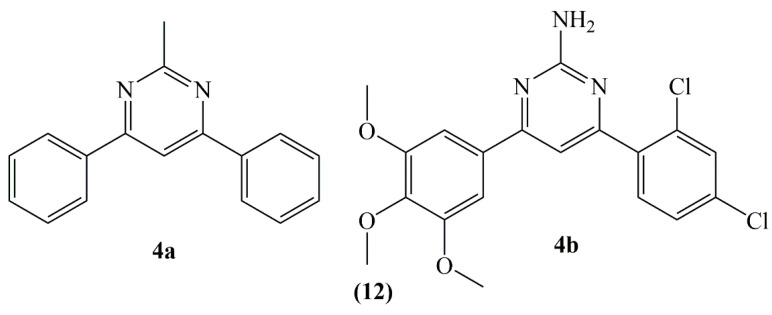
Structure of diphenyl pyrimidine analogues 4a and 4b.
Figure 5
Figure 5
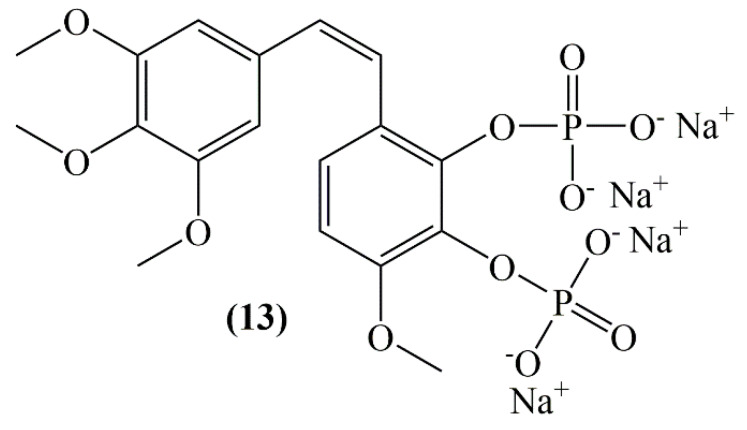
Structure of combretastatin A-1 phosphate (13).
Figure 6
Figure 6
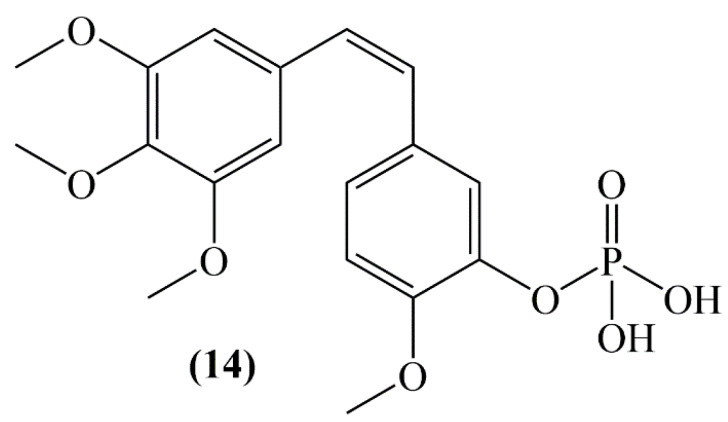
Structure of combretastatin A-4 phosphate (14).
Figure 7
Figure 7
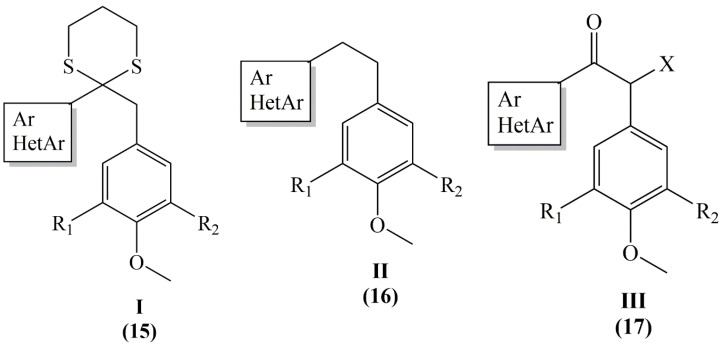
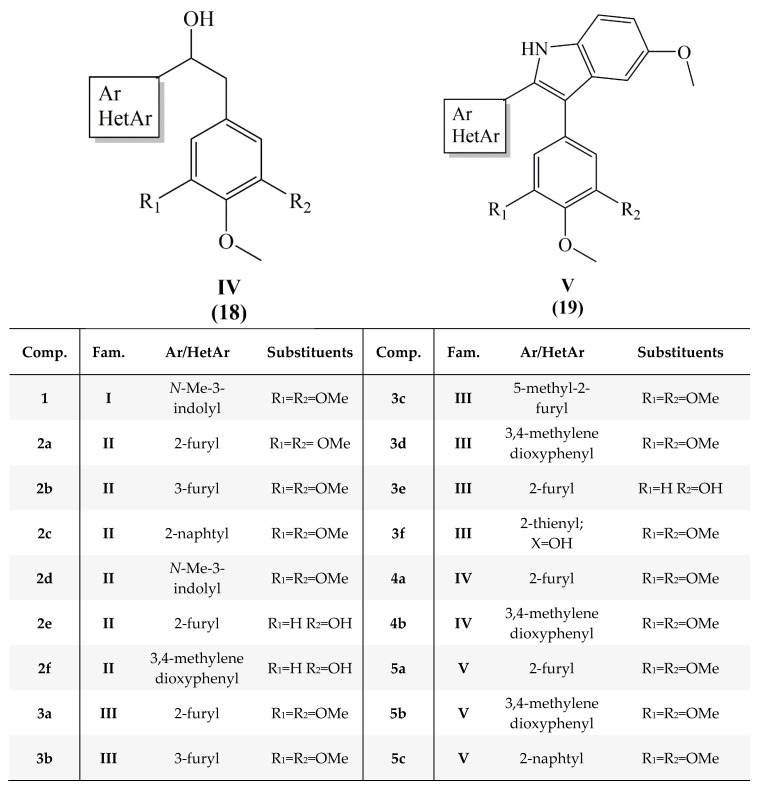
Structure of dithianes (Series I), ethane (series II), ethanones (series III), ethanol (series IV) and indole (series V) derivatives of combretastatin.
Figure 7
Figure 7
Structure of dithianes (Series I), ethane (series II), ethanones (series III), ethanol (series IV) and indole (series V) derivatives of combretastatin.
Figure 8
Figure 8
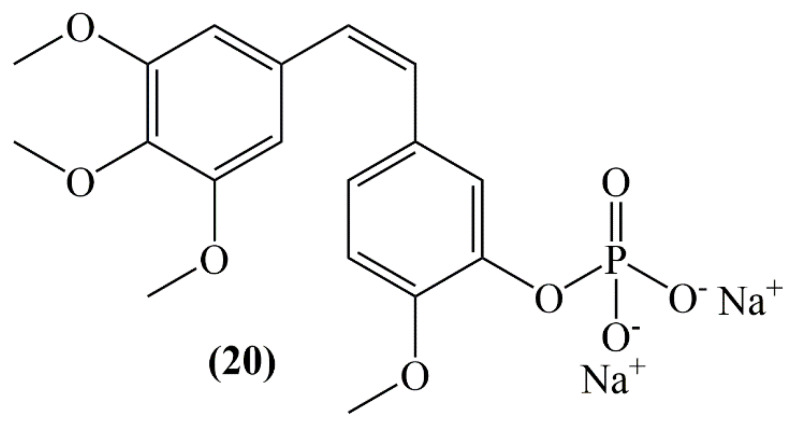
Structure of combretastatin A-4 disodium phosphate (20).
Figure 9
Figure 9
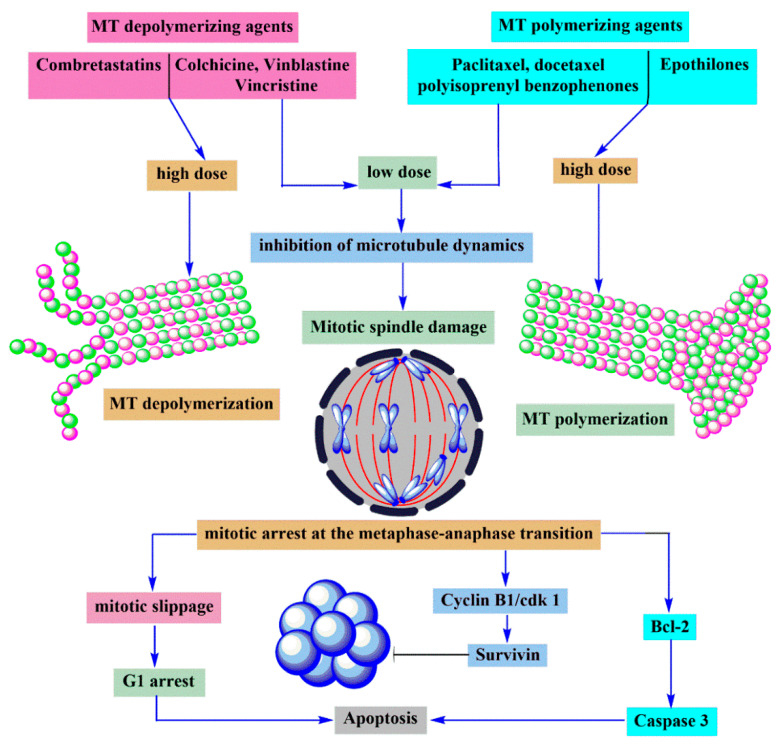
Schematic describing proposed mechanism of action of the different periods of microtubule targeting agents. At high dose combretastatins, colchicine, vincristine and vinblastine induce microtubule depolymerization, while paclitaxel, docetaxel, polyisoprenyl benzophenones and epothilones promote microtubule polymerization; at low dose, all microtubule-binding agents inhibit microtubule dynamics, prevent the proper alignment of chromosomes at the metaphase plate and segregation of chromosomes in anaphase, leading to mitotic arrest and apoptosis.
Figure 10
Figure 10
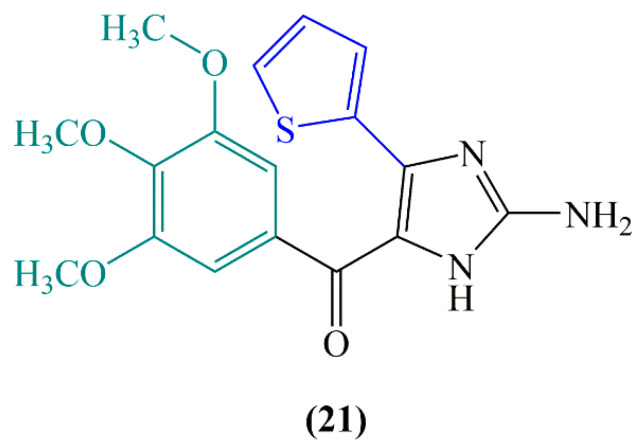
Structure of combretastatin inspired 2-aminoimidazole (21).
Figure 11
Figure 11
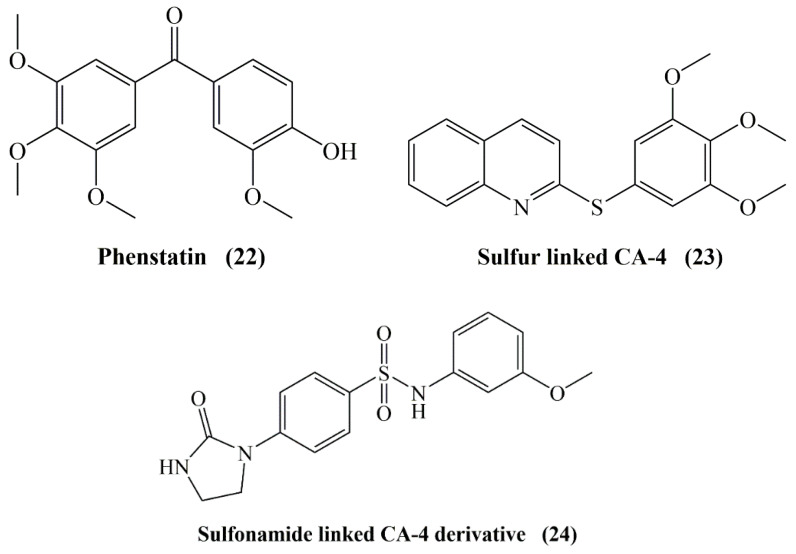
Structure of combretastatin by replacement of the ethenyl bridge of the stilbene moiety with phenstatin, sulfide and sulfonamide.
Figure 12
Figure 12
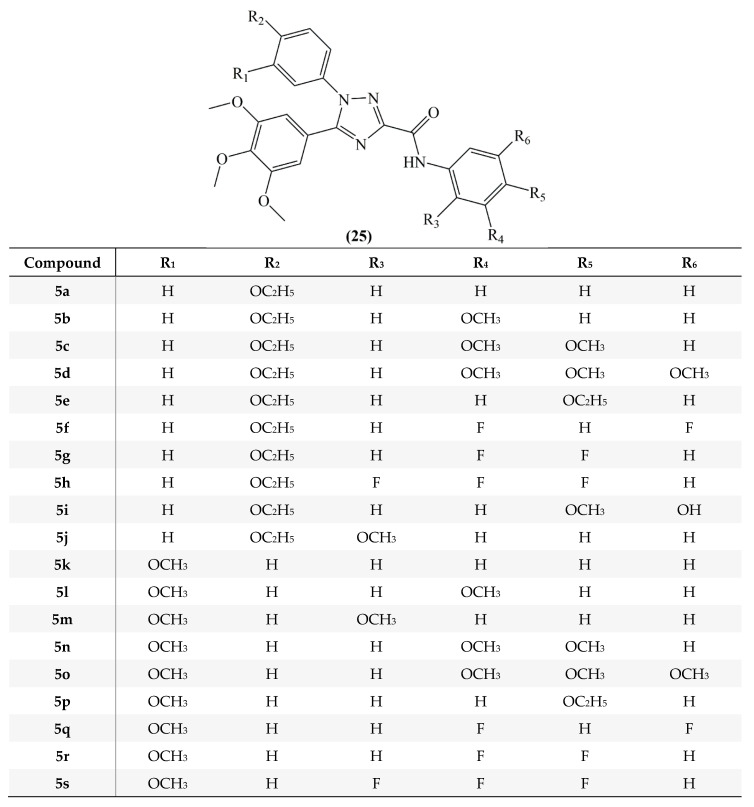
Structure of N-acylhydrazone analogs designed as comretastatin A4 derivatives (compounds 5a5s).
Figure 13
Figure 13
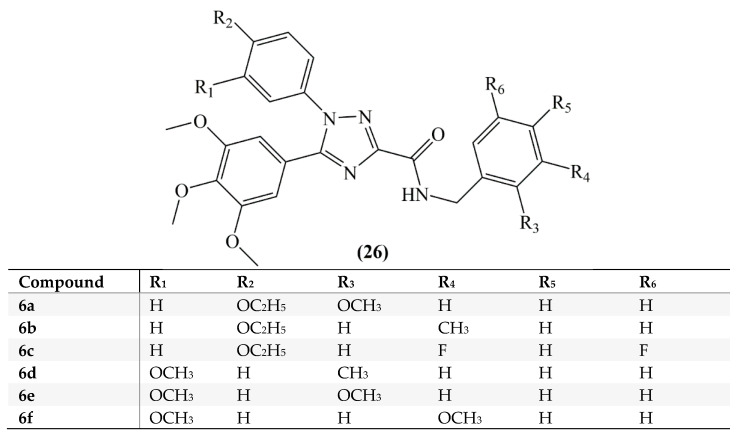
Structures of compounds 6a6f.
Figure 14
Figure 14
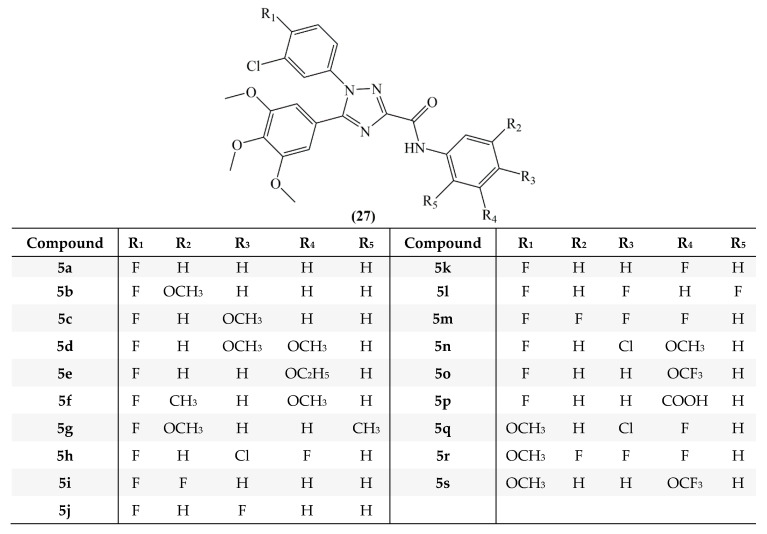
Structure of 1,2,4-triazole-3-carboxamide analogs of combretastatin.

References

    1. Newman D.J., Cragg G.M., Snader K.M.J. Natural products as sources of new drugs over the period 1981–2002. Nat. Prod. 2003;66:1022–1037. doi: 10.1021/np030096l. - DOI - PubMed
    1. Newman D.J., Cragg G.M., Snader K.M.J. The influence of natural products upon drug discovery. Nat. Prod. Rep. 2000;17:215–234. doi: 10.1039/a902202c. - DOI - PubMed
    1. Wehbe H., Kearney C.M., Pinney K.G. Combretastatins A-4 resistance in H460 human lung carcinoma demonstrates distinctive alterations in β-tubulin isotype expression. Anticancer Res. 2005;25:3865. - PubMed
    1. Pettit G., Singh S., Niven M., Hamel E., Schmidt J. Isolation, structure, and synthesis of combretastatins A-1 and B-1, potent new inhibitors of microtubule assembly, derived from Combretum caffrum. J. Nat. Prod. 1987;50:191–231. doi: 10.1021/np50049a016. - DOI - PubMed
    1. Pettit G., Cragg G., Herald D., Schmidt J., Lohavanjijaya P. Isolation and structure of combretastatin. Can. J. Chem. 1982;60:1374–1376. doi: 10.1139/v82-202. - DOI

MeSH terms

LinkOut - more resources