


Seven Myths on Crowding and Peripheral Vision
- PMID: 32489576
- PMCID: PMC7238452
- DOI: 10.1177/2041669520913052
Seven Myths on Crowding and Peripheral Vision
Abstract
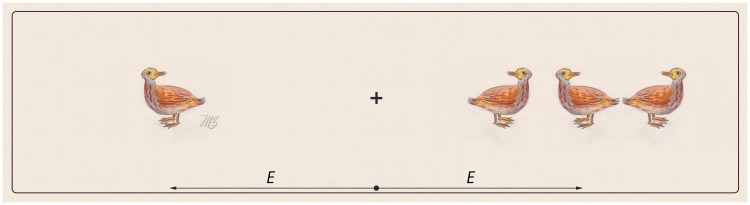
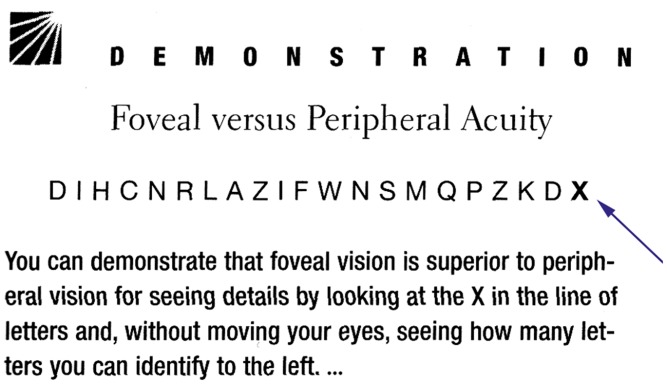
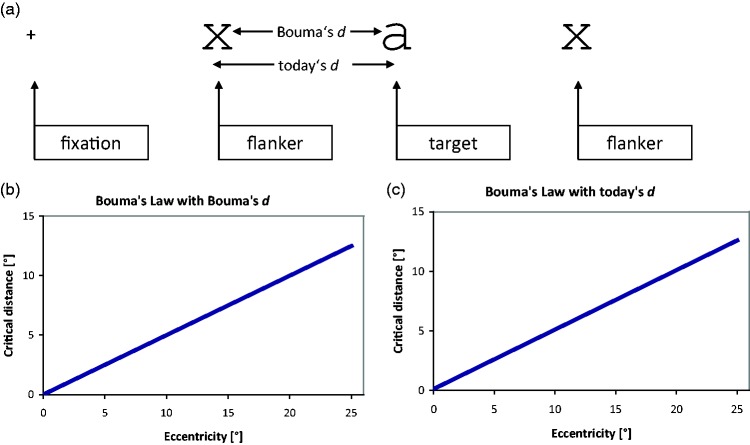
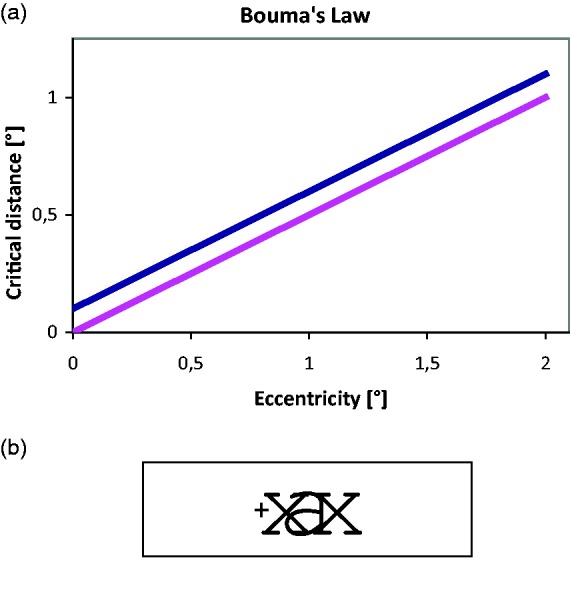
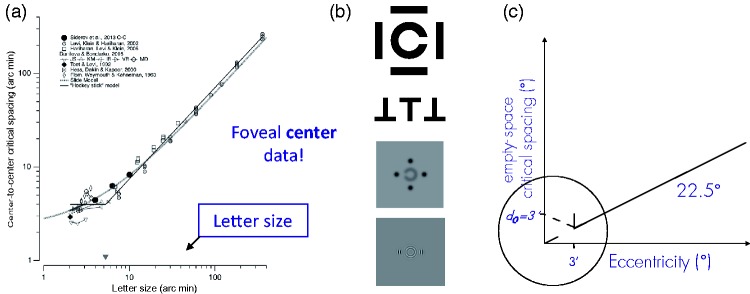
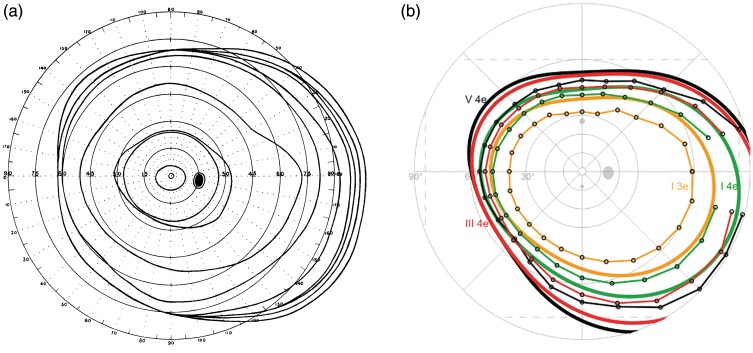
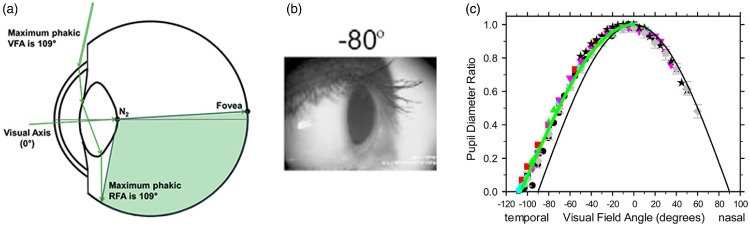
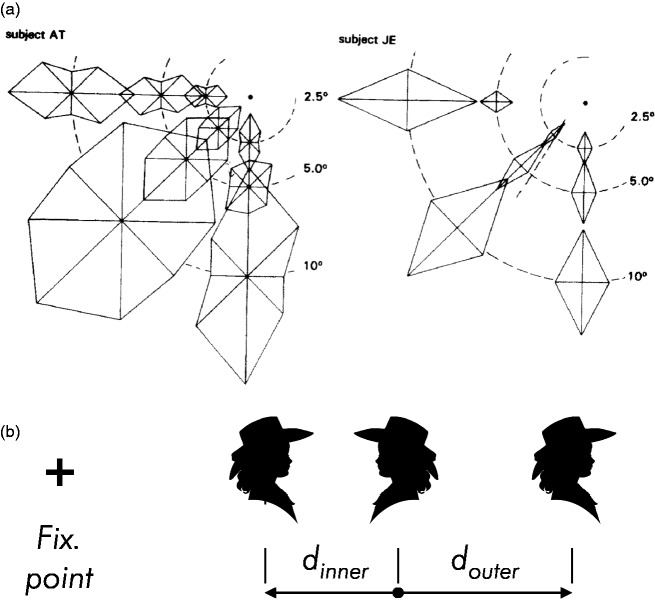
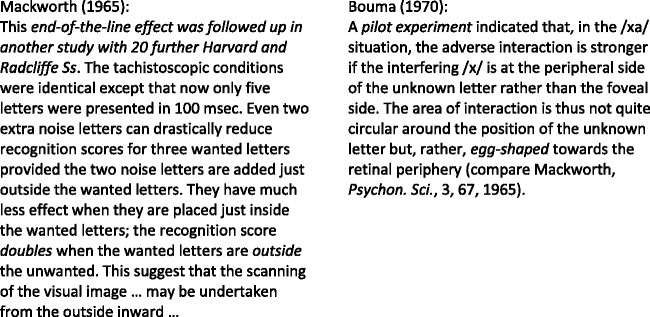
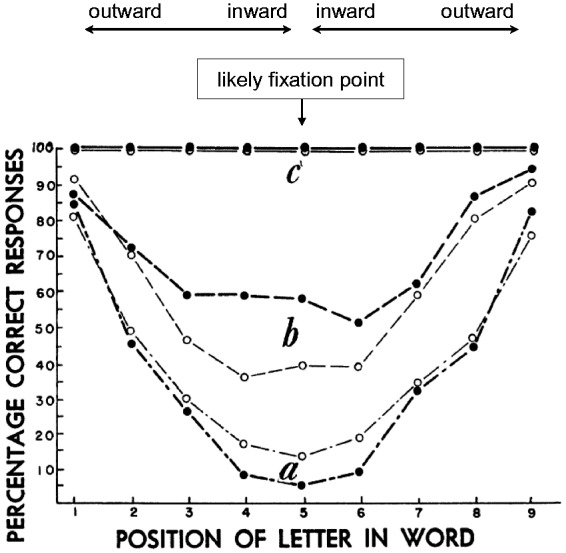
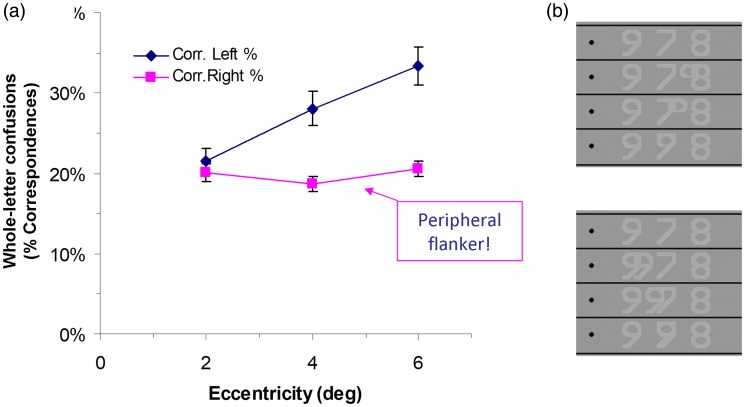
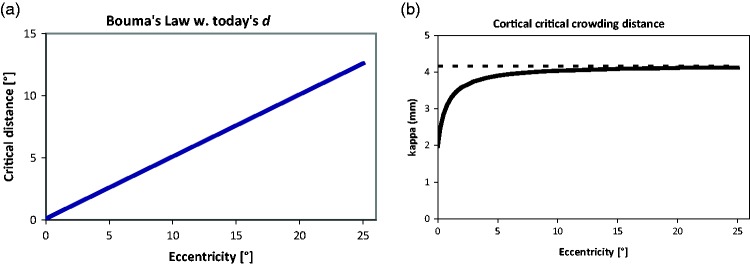
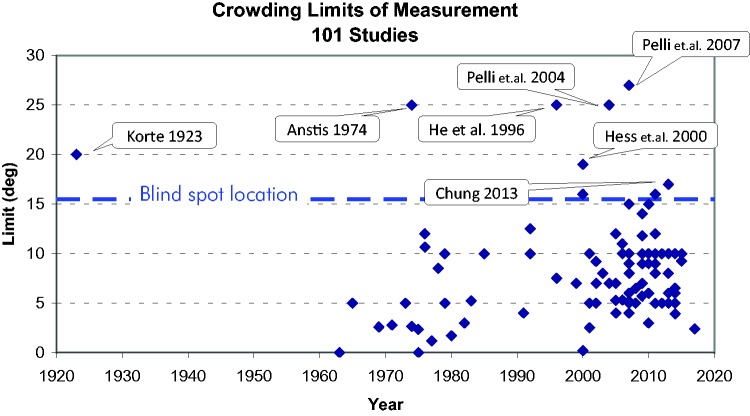
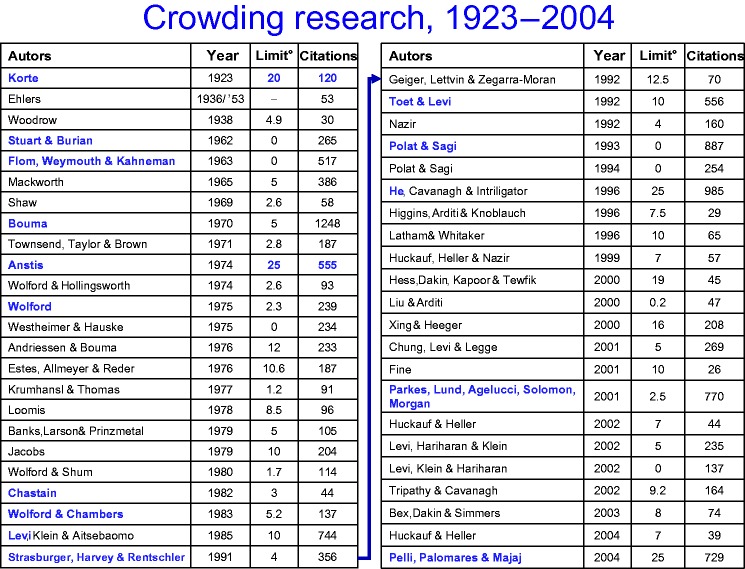
Crowding has become a hot topic in vision research, and some fundamentals are now widely agreed upon. For the classical crowding task, one would likely agree with the following statements. (1) Bouma's law can be stated, succinctly and unequivocally, as saying that critical distance for crowding is about half the target's eccentricity. (2) Crowding is predominantly a peripheral phenomenon. (3) Peripheral vision extends to at most 90° eccentricity. (4) Resolution threshold (the minimal angle of resolution) increases strongly and linearly with eccentricity. Crowding increases at an even steeper rate. (5) Crowding is asymmetric as Bouma has shown. For that inner-outer asymmetry, the peripheral flanker has more effect. (6) Critical crowding distance corresponds to a constant cortical distance in primary visual areas like V1. (7) Except for Bouma's seminal article in 1970, crowding research mostly became prominent starting in the 2000s. I propose the answer is "not really" or "not quite" to these assertions. So should we care? I think we should, before we write the textbook chapters for the next generation.
Keywords: asymmetries; cortical map; crowding; fovea; perception; peripheral vision; psychophysics; reading; sensory systems; vision science; visual acuity; visual field.
© The Author(s) 2020.
Figures
References
-
- Adler F. H. (1959). Physiology of the eye: Clinical application (3rd ed.). Mosby.
-
- Albonico A., Martelli M., Bricolo E., Frasson E., Daini R. (2018). Focusing and orienting spatial attention differently modulate crowding in central and peripheral vision. Journal of Vision, 18(3):4, 1–17. - PubMed
-
- Anderson D. R. (1987). Perimetry with and without automation (2nd ed.). C. V. Mosby.
-
- Andriessen J. J., Bouma H. (1976). Eccentric vision: Adverse interactions between line segments. Vision Research, 16(1), 71–78. - PubMed
-
- Anstis S. M. (1974). A chart demonstrating variations in acuity with retinal position. Vision Research, 14, 589–592. - PubMed
Publication types
LinkOut - more resources
Full Text Sources
