


Compartment syndrome of the leg after thyroid hormone withdrawal; two cases and a systematic review of the literature
- PMID: 32503586
- PMCID: PMC7275613
- DOI: 10.1186/s12902-020-00555-y
Compartment syndrome of the leg after thyroid hormone withdrawal; two cases and a systematic review of the literature
Abstract
Background: Acute compartment syndrome is a rare complication of severe hypothyroidism. If the symptoms are not recognized promptly and treatment initiated immediately, there is a high risk of permanent damage. Only few other cases of compartment syndrome due to hypothyroidism have been published and the exact pathophysiological mechanism remains unknown.
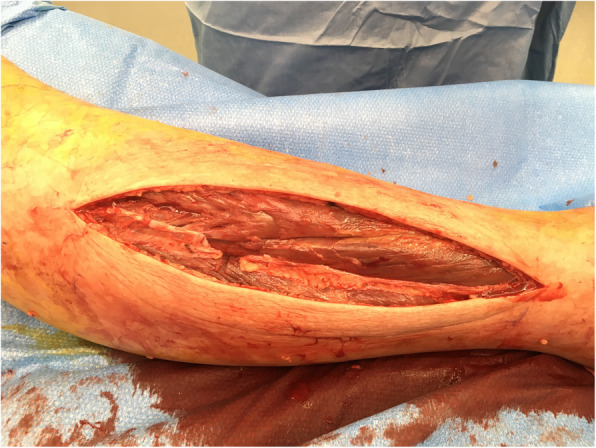
Case presentations: A 59 year old male developed acute compartment syndrome of his right lower leg after thyroid hormone withdrawal prior to radioiodine remnant ablation after total thyroidectomy for follicular thyroid cancer. He underwent emergency fasciotomy of all four compartments of the lower leg. The muscle tissue in the anterior and lateral compartment was necrotic and was therefore excised. The second patient was a 62 year old female with Hashimoto's thyroiditis, who developed acute compartment syndrome of both lower legs after thyroid hormone withdrawal due to non-compliance. Emergency fasciotomy of all four compartments of both legs was performed. The muscle tissue was viable in all compartments.
Conclusion: Although compartment syndrome due to hypothyroidism is uncommon, it is a complication physicians should be aware of. The majority of reported cases are caused by an acute withdrawal of thyroid hormones and not by undetected hypothyroidism. No previous case of compartment syndrome caused by an iatrogenic hormone withdrawal in preparation for radioactive iodine has been published. However, as shown in this report, it may be beneficial to inform patients of this rare complication prior to hormone withdrawal in preparation for remnant ablation after thyroidectomy.
Keywords: Compartment syndrome; Hypothyroidism; Myxedema; Rhabdomyolysis; Thyroid gland.
Conflict of interest statement
The authors declare that they have no competing interests.
Figures
References
-
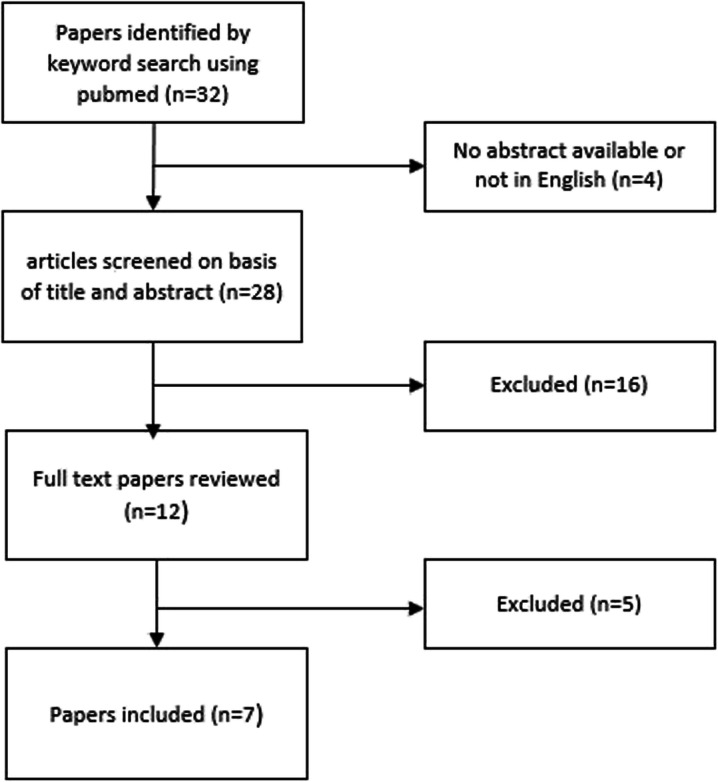
- Liberati A, Altman DG, Tetzlaff J, Mulrow C, Gotzsche PC, Ioannidis JP, et al. The PRISMA statement for reporting systematic reviews and meta-analyses of studies that evaluate health care interventions: explanation and elaboration. PLoS Med. 2009;6(7):e1000100. doi: 10.1371/journal.pmed.1000100. - DOI - PMC - PubMed
Publication types
MeSH terms
Substances
Supplementary concepts
LinkOut - more resources
Full Text Sources
Medical
