


Erythropoietin prevents LPS-induced preterm birth and increases offspring survival
- PMID: 32506750
- PMCID: PMC7507205
- DOI: 10.1111/aji.13283
Erythropoietin prevents LPS-induced preterm birth and increases offspring survival
Abstract
Problem: Preterm delivery is the leading cause of neonatal mortality and contributes to delayed physical and cognitive development in children. At present, there is no efficient therapy to prevent preterm labor. A large body of evidence suggests that infections might play a significant and potentially preventable cause of premature birth. This work assessed the effects of erythropoietin (EPO) in a murine model of inflammation-associated preterm delivery, which mimics central features of preterm infections in humans.
Method of study: BALB/c mice were injected i.p. with 20 000 IU/kg EPO or normal saline twice on gestational day (GD) 15, with a 3 hours time interval between injections. An hour after the first EPO or normal saline injection, all mice received two injections of 50 μg/kg LPS, also given 3 hours apart.
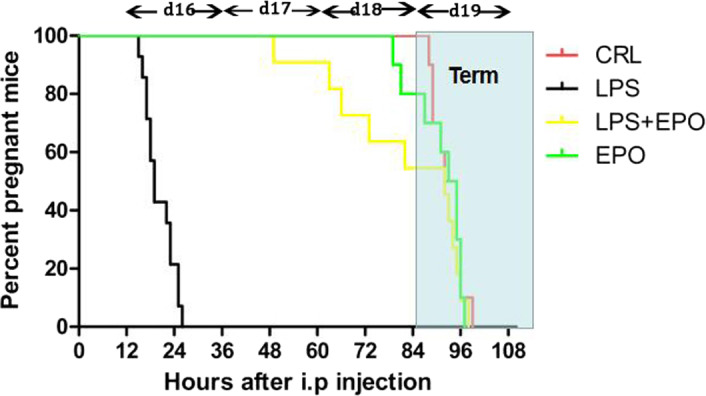
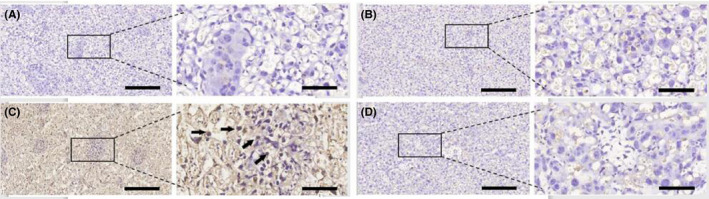
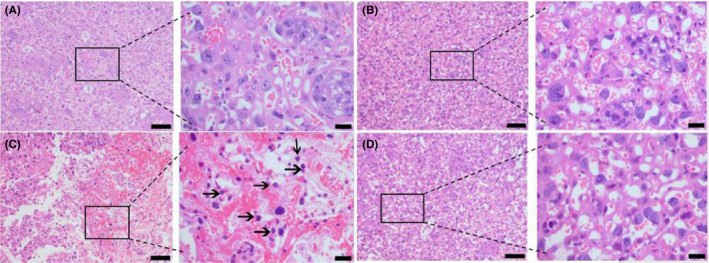
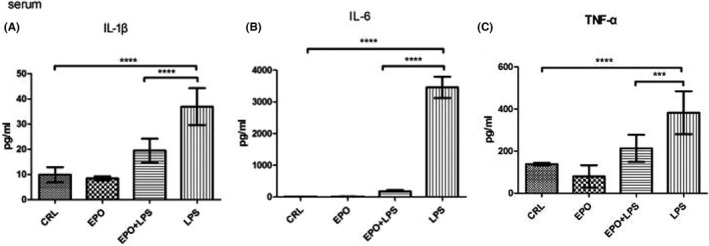
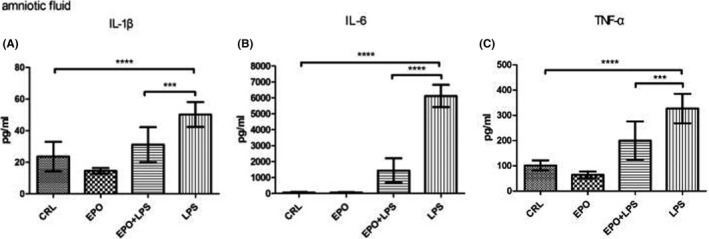
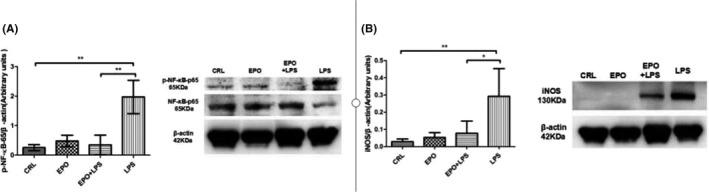
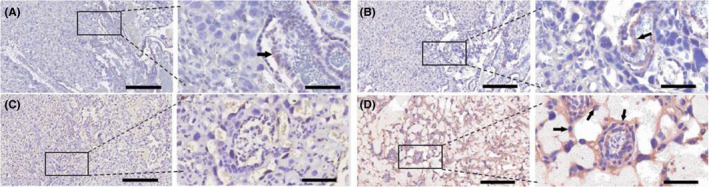
Results: EPO significantly prevented preterm labor and increased offspring survival in an LPS induced preterm delivery model. EPO prevented LPS-induced leukocyte infiltration into the placenta. Moreover, EPO inhibited the expression of pro-inflammatory cytokines, interleukin-1β (IL-1β), interleukin-6 (IL-6), and tumour necrosis factor-α (TNF-α) in maternal serum and amniotic fluid. EPO also prevented LPS-induced increase in placental prostaglandin (PG)E2 and uterine inducible nitric oxide synthase (iNOS) production, while decreasing nuclear factor kappa-B (NF-κβ) activity in the myometrium. EPO also increased the gene expression of placental programmed cell death ligand 1 (PD-L1) in LPS-treated mice.
Conclusions: Our results suggest that EPO could be a potential novel therapeutic strategy to tackle infection-related preterm labor.
Keywords: PDL1; erythropoietin; inflammation; offspring survival; preterm birth; prostaglandins.
© 2020 The Authors. American Journal of Reproductive Immunology published by John Wiley & Sons Ltd.
Conflict of interest statement
The authors declare that they have no conflict of interest.
Figures
References
-
- Blencowe H, Cousens S, Oestergaard MZ, et al. National, regional, and worldwide estimates of preterm birth rates in the year 2010 with time trends since 1990 for selected countries: a systematic analysis and implications. Lancet. 2012;379(9832):2162‐2172. - PubMed
-
- McCormick MC. The contribution of low birth weight to infant mortality and childhood morbidity. N Engl J Med. 1985;312:82‐90. - PubMed
MeSH terms
Substances
LinkOut - more resources
Full Text Sources
Medical
Research Materials
