


Diverse Bacteriocins Produced by Strains From the Human Milk Microbiota
- PMID: 32508758
- PMCID: PMC7248182
- DOI: 10.3389/fmicb.2020.00788
Diverse Bacteriocins Produced by Strains From the Human Milk Microbiota
Abstract
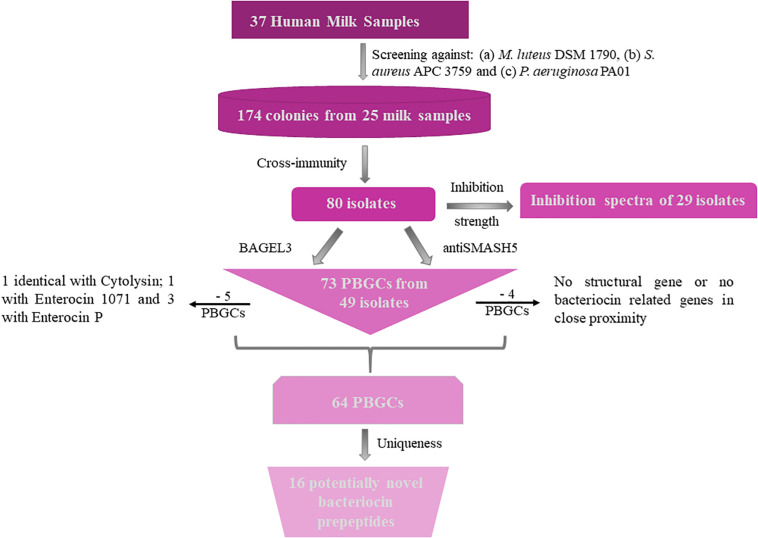
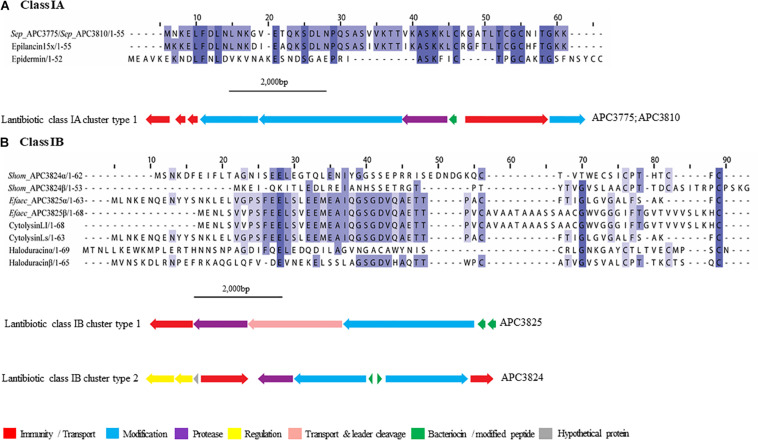
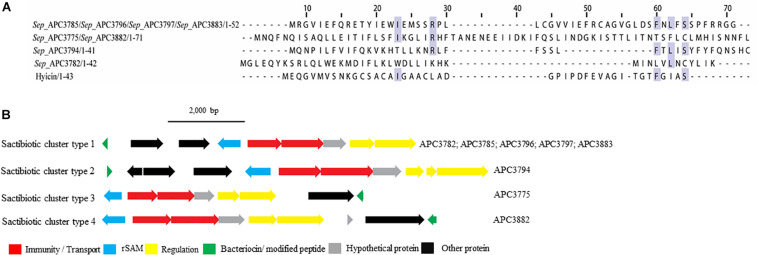
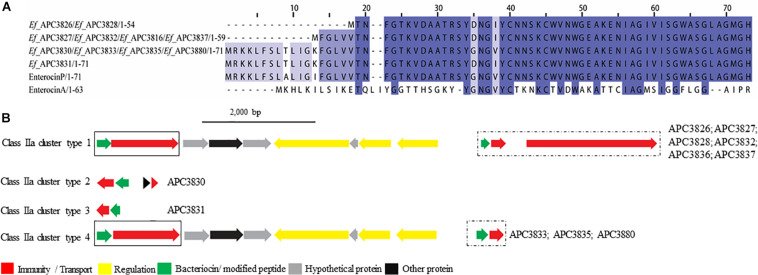
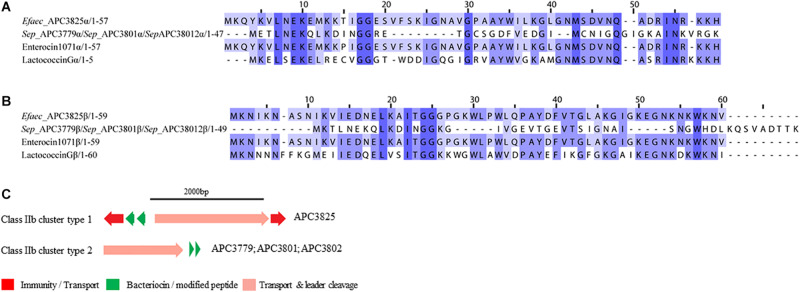
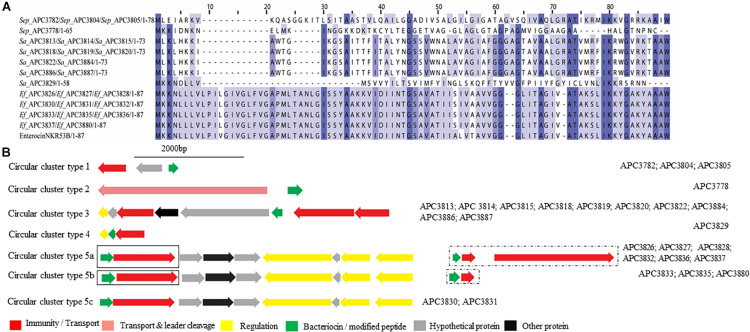
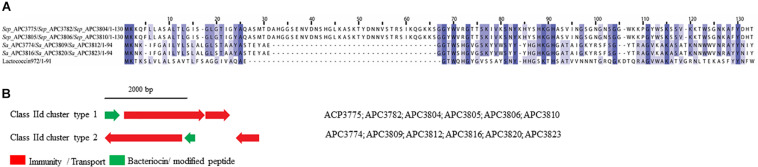
Microbial colonization of the infant gut is a convoluted process dependent on numerous contributing factors, including age, mode of delivery and diet among others that has lifelong implication for human health. Breast milk also contains a microbiome which acts as a source of colonizing bacteria for the infant. Here, we demonstrate that human milk harbors a wide diversity of bacteriocin-producing strains with the potential to compete among the developing gut microbiota of the infant. We screened 37 human milk samples and found isolates with antimicrobial activity and distinct cross-immunity profiles. From these isolates, we detected 73 putative gene clusters for bacteriocins of all known sub-classes, including 16 novel prepeptides. More specifically, we detected two novel lantibiotics, four sactibiotics and three class IIa bacteriocins with an unusual modification of the pediocin box that is composed of YDNGI instead of the highly conserved motif YGNGV. Moreover, we identified a novel class IIb bacteriocin, four novel class IIc and two class IId bacteriocins. In conclusion, human milk contains a variety of bacteriocin-producing strains which may provide them a competitive advantage in the colonization of the infant gut and suggests that the milk microbiota is a source of antimicrobial potential.
Keywords: antibiotic resistance; antimicrobials; bacteriocins; genome mining; human microbiota; human milk; lantibiotics; sactibiotics.
Copyright © 2020 Angelopoulou, Warda, O’Connor, Stockdale, Shkoporov, Field, Draper, Stanton, Hill and Ross.
Figures

References
-
- Abou-Dakn M., Richardt A., Schaefer-Graf U., Wöckel A. (2010). Inflammatory breast diseases during lactation: milk stasis, puerperal mastitis, abscesses of the breast, and malignant tumors – current and evidence-based strategies for diagnosis and therapy. Breast Care. 5 33–37. 10.1159/000272223 - DOI - PMC - PubMed
LinkOut - more resources
Full Text Sources
Molecular Biology Databases
