


Chronic stress-induced immune dysregulation in cancer: implications for initiation, progression, metastasis, and treatment
- PMID: 32509380
- PMCID: PMC7269780
Chronic stress-induced immune dysregulation in cancer: implications for initiation, progression, metastasis, and treatment
Abstract
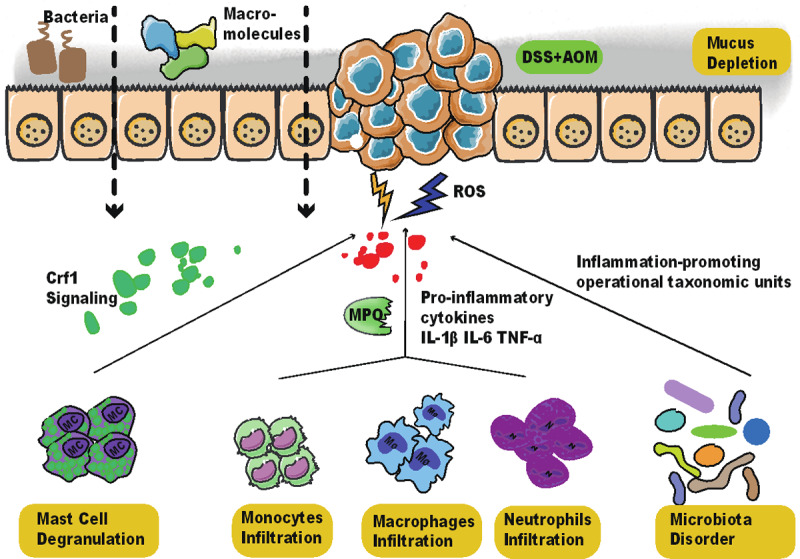
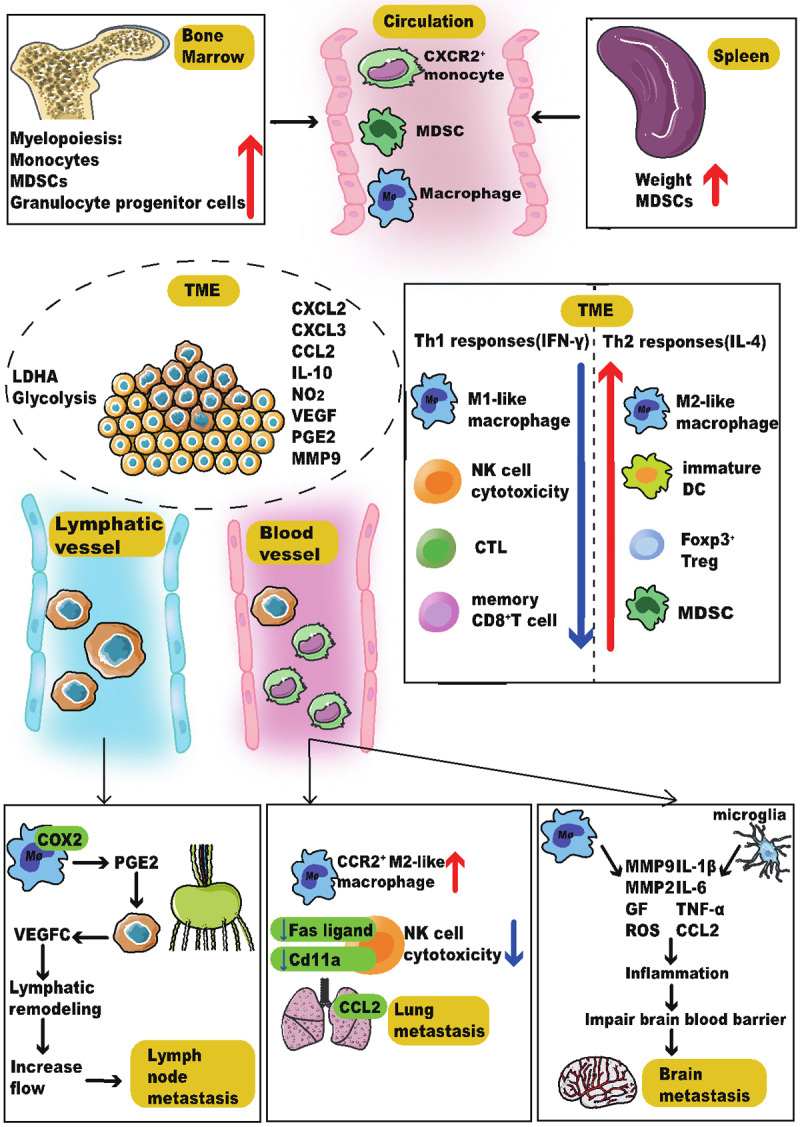
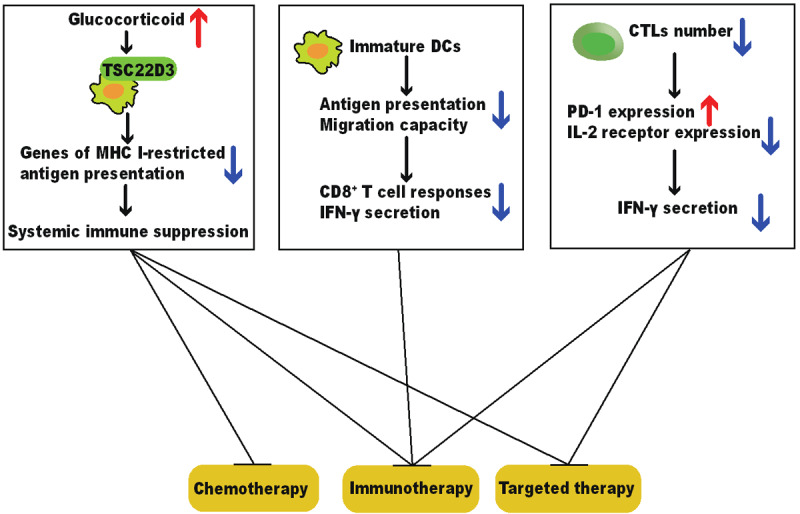
Psychological stress is a well-accepted risk factor in cancer initiation and progression. The explosive growth of psychoneuroimmunology research in the past decade has yielded an unprecedented wealth of information about the critical role of chronic stress in the immune dysfunction that influences tumor behaviors, which presents insights to mitigate distress and improve prognosis in cancer patients. Chronic stress exacerbates inflammation and causes a metabolism disorder, making it difficult for the organisms to maintain homeostasis and increasing its susceptibility to cancer. The shifted differentiation and redistribution of the immune system induced by chronic stress fail to combat cancer efficiently. Chronic stress increases the tumor-educated immune suppressive cells and impairs the cytotoxicity of cellular immunity, thereby promoting lymphatic metastasis and hematogenous metastasis. In addition, the efficacy of existing cancer therapies is undermined because chronic stress prevents the immune system from responding properly. Emerging stress-reduction measures have been administered to assist cancer patients to cope with the adverse effects of chronic stress. Here we systematically review the current molecular, cellular, physiological mechanisms about stress-mediated immune responses in the enhancement of tumor initiation and progression, remodeling of tumor microenvironment and impairment of anti-tumor treatment. We also summarize the potential clinically applicable stress-oriented strategies towards cancer and discuss briefly where important knowledge gaps remain.
Keywords: Tumor immunology; anti-cancer therapy; biobehavioral sciences; psychological distress; tumor microenvironment.
AJCR Copyright © 2020.
Conflict of interest statement
None.
Figures
References
-
- Krizanova O, Babula P, Pacak K. Stress, catecholaminergic system and cancer. Stress. 2016;19:419–428. - PubMed
-
- Chida Y, Hamer M, Wardle J, Steptoe A. Do stress-related psychosocial factors contribute to cancer incidence and survival? Nat Clin Pract Oncol. 2008;5:466–475. - PubMed
-
- Mehnert A, Brähler E, Faller H, Härter M, Keller M, Schulz H, Wegscheider K, Weis J, Boehncke A, Hund B, Reuter K, Richard M, Sehner S, Sommerfeldt S, Szalai C, Wittchen HU, Koch U. Four-week prevalence of mental disorders in patients with cancer across major tumor entities. J. Clin. Oncol. 2014;32:3540–3546. - PubMed
Publication types
LinkOut - more resources
Full Text Sources
Other Literature Sources
Medical
Miscellaneous