


Aging - Oxidative stress, antioxidants and computational modeling
- PMID: 32509998
- PMCID: PMC7264715
- DOI: 10.1016/j.heliyon.2020.e04107
Aging - Oxidative stress, antioxidants and computational modeling
Abstract
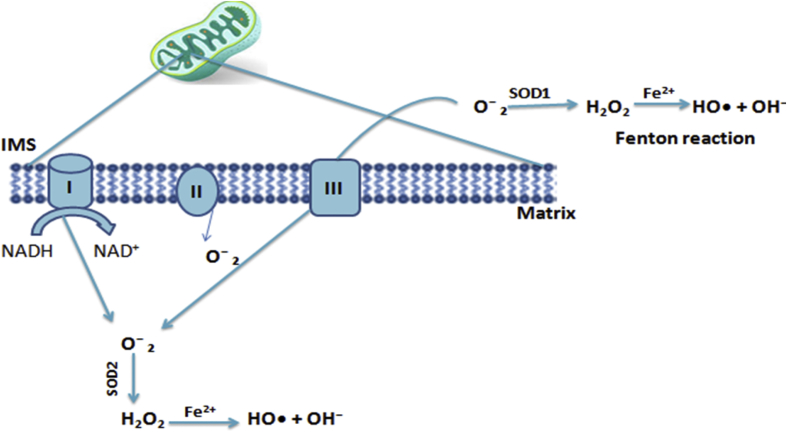
Aging is a degenerative, biological, time-dependent, universally conserved process thus designed as one of the highest known risk factors for morbidity and mortality. Every individual has its own aging mechanisms as both environmental conditions (75%) and genetics (25%) account for aging. Several theories have been proposed until now but not even a single theory solves this mystery. There are still some queries un-answered to the scientific community regarding mechanisms behind aging. However, oxidative stress theory (OST) is considered one of the famous theories that sees mitochondria as one of the leading organelles which largely contribute to the aging process. Many reactive oxygen species (ROS) are produced endogenously and exogenously that are associated with aging. But the mitochondrial ROS contribute largely to the aging process as mitochondrial dysfunction due to oxidative stress is considered one of the contributors toward aging. Although ROS is known to damage cell machinery, new evidence suggests their role in signal transduction to regulate biological and physiological processes. Moreover, besides mitochondria, other important cell organelles such as peroxisome and endoplasmic reticulum also produce ROS that contribute to aging. However, nature has provided humans with free radical scavengers called antioxidants that protect from harmful effects of ROS. Future predictions regarding aging, biochemical mechanisms involved, biomarkers internal and external factors can be easily done with machine learning algorithms and other computational models. This review explains important aspects of aging, the contribution of ROS producing organelles in aging, importance of antioxidants fighting against ROS, different computational models developed to understand the complexities of the aging.
Keywords: Antioxidants; Biochemistry; Bioinformatics; Biological sciences; Computer models; Mitochondria; Pharmaceutical science; Reactive oxygen species.
© 2020 Published by Elsevier Ltd.
Figures


References
-
- Abbas G., Salman A., Rahman S.U., Ateeq M.K., Usman M., Sajid S.…Younas T. Aging mechanisms: linking oxidative stress, obesity and inflammation. Matrix Sci. Med. 2017;1(1):30–33.
-
- Aguilar T.A.F., Navarro B.C.H., Pérez J.A.M. 2016. Endogenous Antioxidants: a Review of Their Role in Oxidative Stress A Master Regulator of Oxidative Stress-The Transcription Factor Nrf2: Intech Open.
-
- Ahmad R. Free Radicals, Antioxidants and Diseases, 1. 2018. Introductory chapter: basics of free radicals and antioxidants.
-
- Andreyev A.Y., Kushnareva Y.E., Starkov A. Mitochondrial metabolism of reactive oxygen species. Biochem (Mosc) 2005;70(2):200–214. - PubMed
-
- Angelova P.R., Abramov A.Y. Role of mitochondrial ROS in the brain: from physiology to neurodegeneration. FEBS Lett. 2018;592(5):692–702. - PubMed
Publication types
LinkOut - more resources
Full Text Sources
Other Literature Sources
